

Twenty-seven positions across six zones — a full hot line with extraction, prep and cold chain, a working bar with draft, warewashing for both streams, seating and POS. Every line is a catalog item you can open, read and price.
A gastropub is a proper kitchen behind a proper bar, and it has to run both at once. The setup below is built in that order: the hot line first, then the cold chain that feeds it, then the bar, then the two wash streams that keep the room turning.
Quantities assume an 80-seat room with a single kitchen line and a five-meter bar. Tableware and cutlery are picked separately, since they follow the menu rather than the equipment. Send your floor plan and the covers you expect, and we adjust the counts before quoting.
The kitchen's spine, in the order a ticket travels: grill, finish, range, oven, fryer — under one hood.
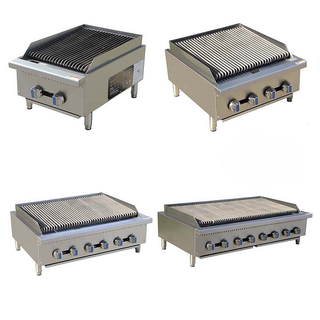
Countertop char grill with heavy grates that hold heat through a service. Steaks, chops and everything the menu describes as grilled start here.
Overhead salamander for finishing, glazing and melting — the piece that turns a plated dish into a served one in twenty seconds.
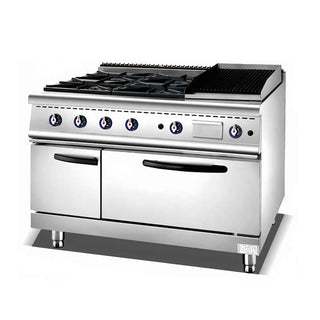
Four burners, a lava-rock grill section and an oven underneath. The all-purpose block a brasserie menu is actually cooked on.
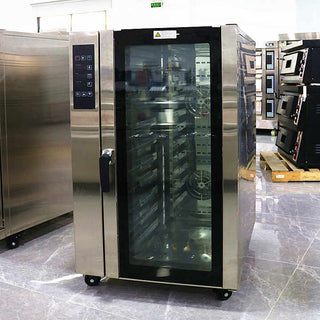
Eight trays of combi cooking with steam — roasts, regeneration and batch cooking without tying up the range.
Two 25-liter wells so fries and everything else keep their own oil. A single well is the bottleneck every pub kitchen hits.
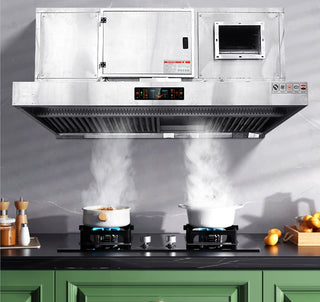
6000 m³/h of extraction over the line. This is a licensing item — a kitchen this size does not get signed off without it.
What the line is fed from. Cold storage is where a kitchen's real capacity is decided.
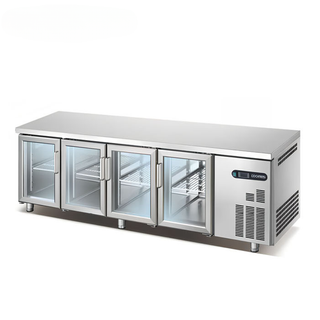
Refrigerated worktop with four doors underneath — mise en place in reach of the pass instead of two steps away in a fridge.
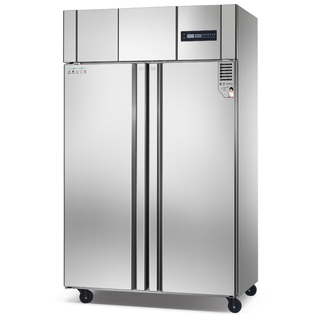
Double-door reach-in for the day's produce and prep. Sized so a delivery goes away in one go.
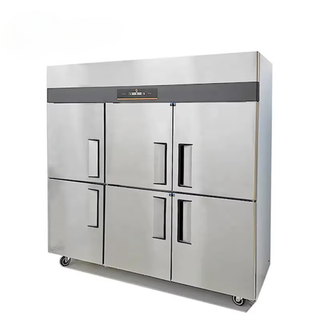
Reach-in freezer for stock, fries and the frozen half of a pub menu.
850 W slicer, 3 to 8 mm — charcuterie, cooked meats and the sandwich side of a brasserie menu.
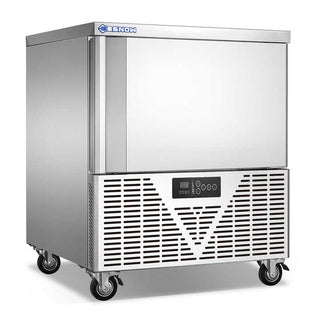
Three, five or ten trays of blast freezing for batch prep and stock rotation. It is what makes cooking ahead safe rather than risky.
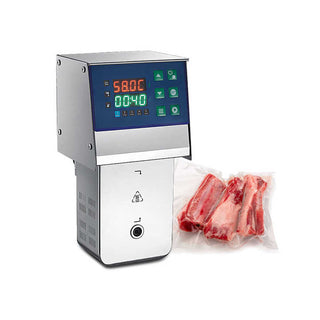
2000 W sous-vide for cheek, brisket and everything that needs eight hours before service rather than during it.
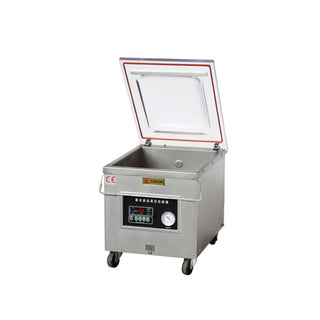
Vacuum sealing for sous-vide bags and prep storage — it pays for itself in wastage before it does in technique.
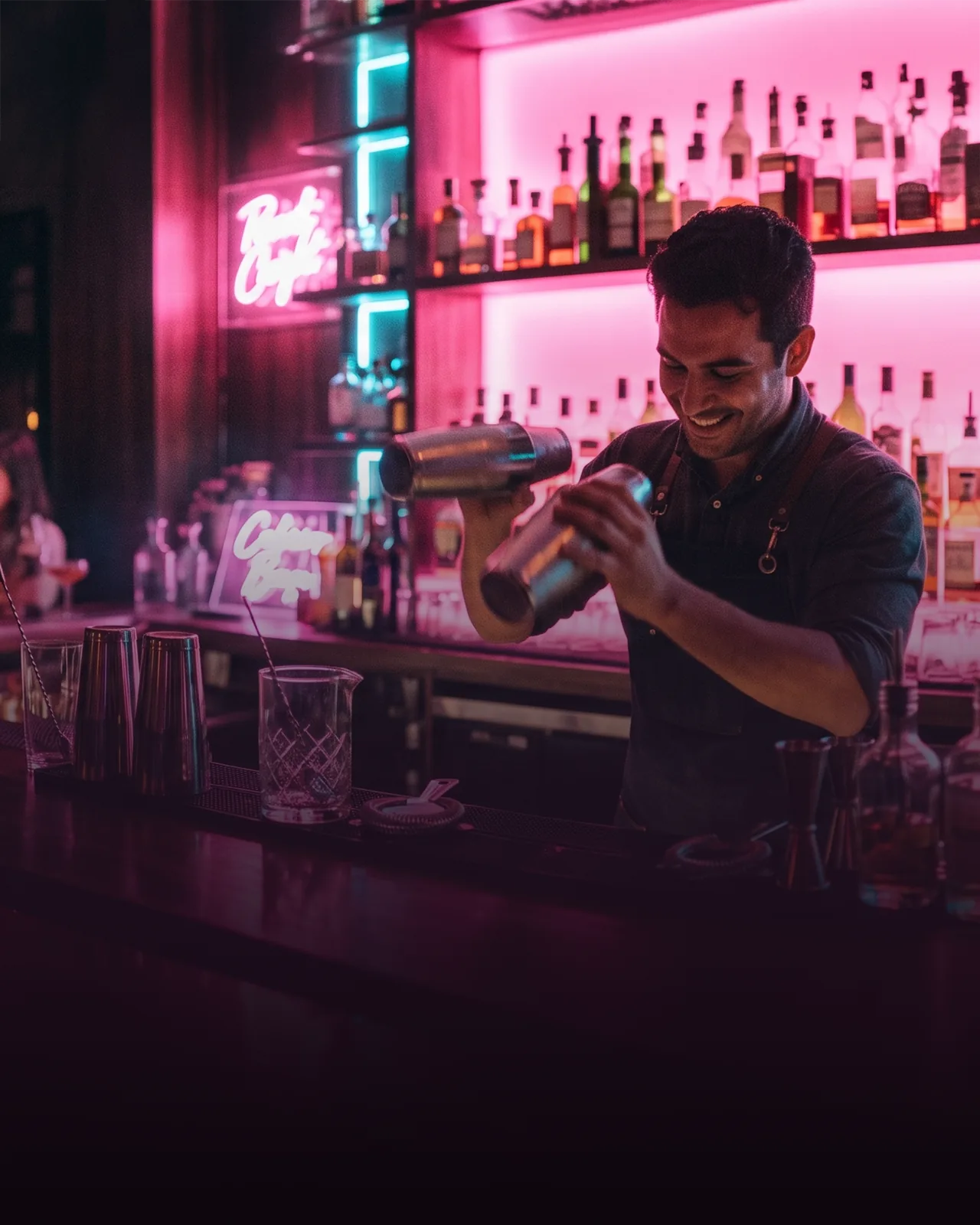
A gastropub bar is a working bar, not a service hatch: draft, spirits and ice, with its own cold storage.
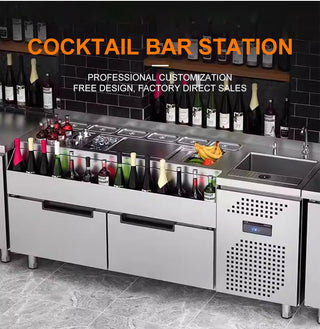
Refrigerated wells, bottle pockets and an ice bin built to your counter length — the bar half of the room, sized to run alongside the kitchen.
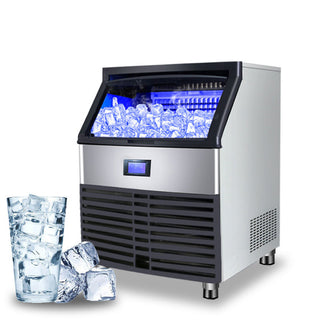
80 to 120 kg a day of hard cube ice for the bar and the service station.
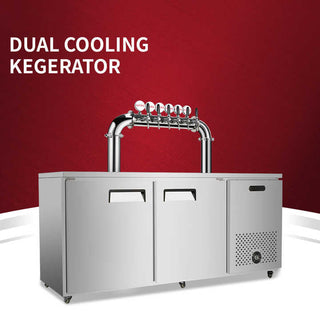
Four, six or eight taps with the kegs cold underneath — the fastest route to draft without building a cellar.
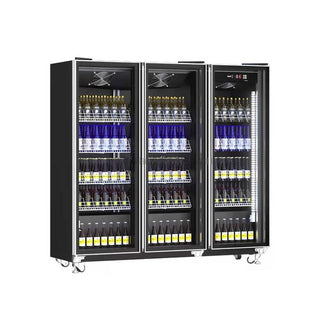
Three glass doors of bottles and cans in the guest's eyeline, holding temperature through a night of door-opening.
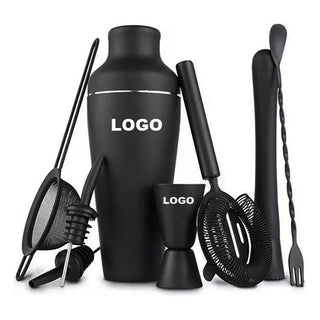
Full bartender kits plus spares, so the cocktail side of the menu is not run out of one shaker.
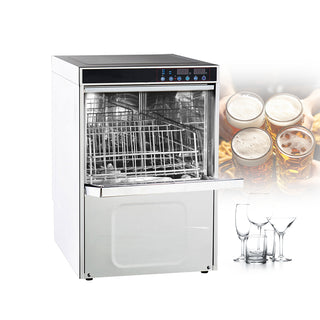
Plates one way, glass the other. A kitchen machine and a bar machine are not interchangeable.
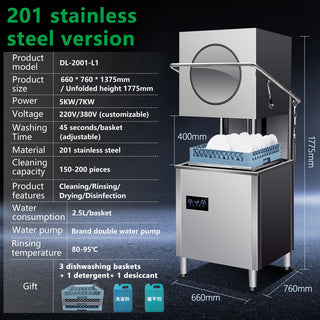
A rack a minute for plates and pans. On an 80-seat room this machine sets the pace of the whole second half of service.
Thirty baskets an hour under the bar — glass returns clear, which a plate machine will not do.
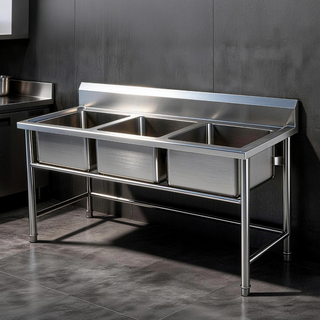
Wash, rinse and sanitize for pots and everything a machine cannot take. Inspectors ask for this one by name.
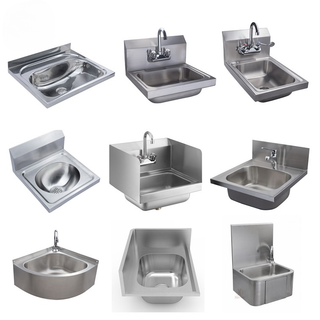
Hand sinks on the line, at the bar, in prep and by the wash-up. The fixture most often missing at a first inspection.
Seating and sound — the two things guests judge before the food arrives.
Upholstered banquette runs, built to your dimensions. Booths seat more people per square meter than loose tables and they turn a noisy room into a comfortable one.
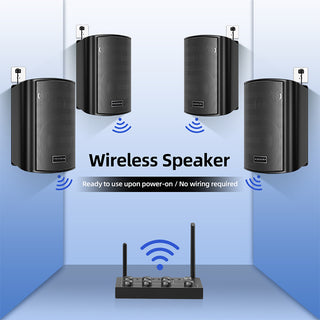
50 W wall speakers across one wireless zone — even coverage at a volume that sits under conversation.
Linear pendants over the tables put light on the plate and leave the room dark around it, which is what makes a dining room read at night.
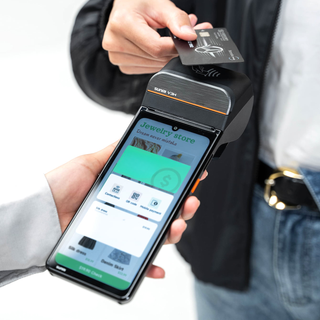
Two till points and terminals on the floor — an 80-seat room cannot run through one screen.
Dual-screen terminals with built-in printers, at the bar and the pass. Standard Android POS software, so you are not locked to one vendor.
Handhelds for the floor — orders fired from the table land in the kitchen before the waiter has walked back.
Plates, cutlery and glass follow the menu and the room, not the equipment list — a brasserie plate is not a pub plate. We stock the range across forms and price it with the rest of the order.
Catalog prices at the quantities listed, excluding shipping, duties and installation. Send a request and we confirm current pricing and lead times for your build.
Request received
We are pricing the setup now and will come back with a quote and lead times, usually within one business day.
That did not go through
Something broke on the way to us. Try again, or write to sales@barequip.pro and we will pick it up from there.