

Twenty-two positions across seven zones — an automatic pasta cooker and range under extraction, ovens, dough and prep, the cold chain, wine storage, warewashing and POS. Every line is a catalog item you can open, read and price.
A pasta-forward Italian room, not a pizzeria: the machine that defines it is the pasta cooker, with baskets running independently so six orders of different shapes land at the same time. The oven, the slicer and the wine storage do the rest.
Quantities assume a 70-seat room with a single kitchen line. Plates, cutlery and glassware are picked separately, since they carry the room's style. Send your floor plan and the covers you expect, and we adjust the counts before quoting.
The zone the format is named after. Independent baskets are what let a section send six different shapes to one table.
Six baskets, each on its own timer, with automatic lift. It is the difference between a pasta section that sends a table together and one that sends it in three waves.
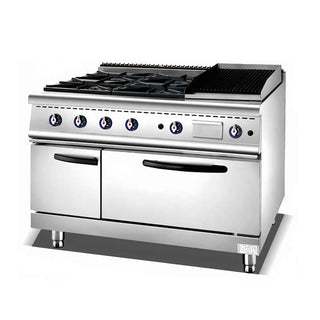
Four burners for the sauce line, a grill section and an oven underneath — the block the rest of the menu is finished on.
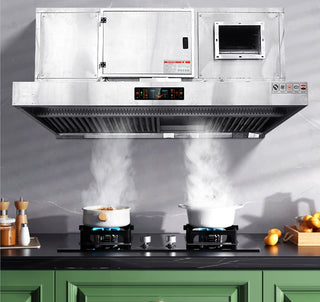
6000 m³/h over the line. Boiling water and a sauce section produce a steam load that has to leave the room.
Baked pasta, focaccia and the roast side of the menu.
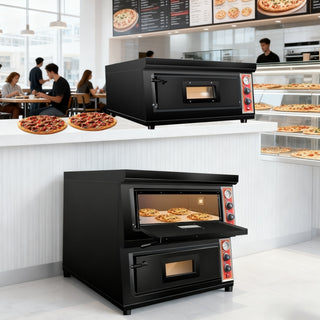
A stone deck for focaccia, bread and the pizza half if the menu carries one — bottom heat through stone that a fan oven cannot reproduce.
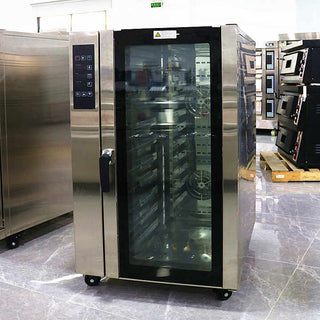
Eight trays of combi with steam for roasts, baked pasta and regeneration during service.
Fresh pasta and cured meat: the two things a guest can taste the difference in immediately.
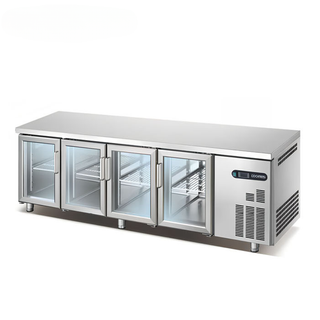
Refrigerated worktop with four doors underneath — the mise en place for the sauce and antipasti sections.
850 W slicer, 3 to 8 mm. Prosciutto and salumi sliced to order is an antipasti menu; sliced yesterday it is a supermarket plate.
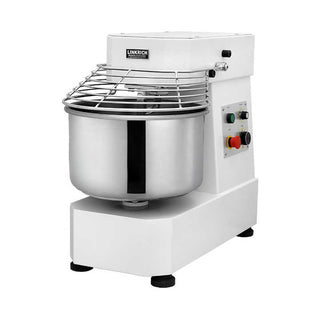
20 to 50 liters of spiral mixing for fresh pasta dough, focaccia and bread.
10 to 30 liters for tiramisu, creams and the dessert section.
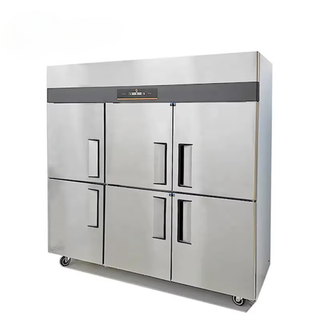
Dairy, cured meat and prepped sauce, held properly.
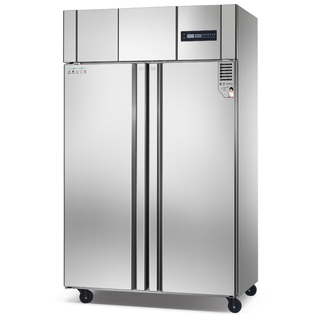
Double-door reach-in for the day's produce, cheese and prep.
Reach-in freezer for stock, filled pasta and the frozen half of the menu.
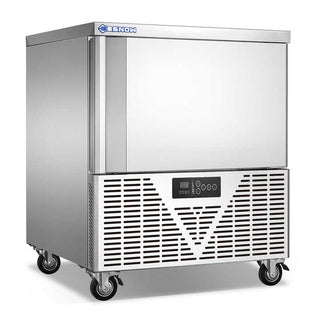
Blast freezing for house-made filled pasta and batch sauce — production once a week instead of every morning.
In an Italian room the wine list is half the ticket, and it has to be stored at temperature to be sold at price.
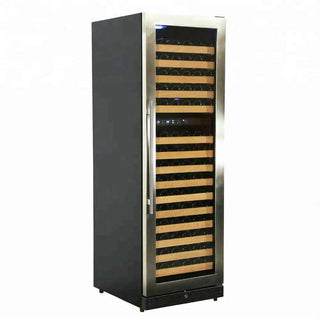
166 bottles across two zones — reds at cellar temperature, whites ready to pour, in the dining room where guests can see the list.
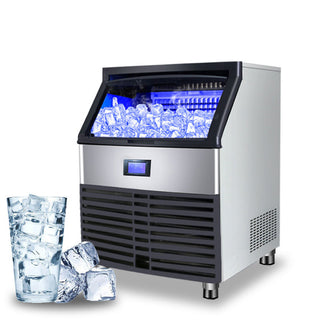
80 to 120 kg a day for the bar, the aperitivo hour and the water service.
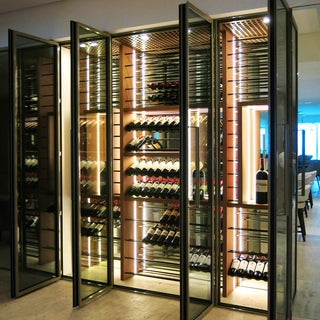
A built-in wine wall, priced per square meter of finished cabinet — for a room where storage is also the decor.
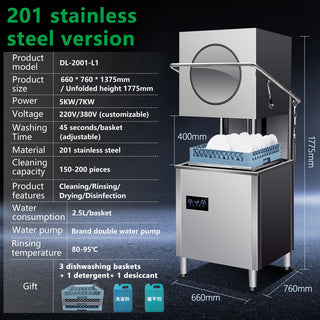
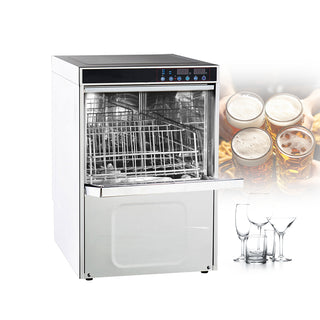
Plates one way, glass the other. A kitchen machine and a bar machine are not interchangeable.
A rack a minute for plates, pasta bowls and pans.
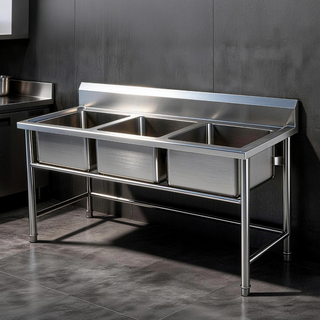
Wash, rinse and sanitize for pots, pasta inserts and everything a machine cannot take.
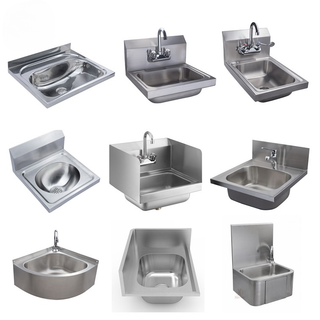
Hand sinks on the line, in prep and at the wash-up.
Thirty baskets an hour of clear glass — a wine room is judged on the stem it arrives in.
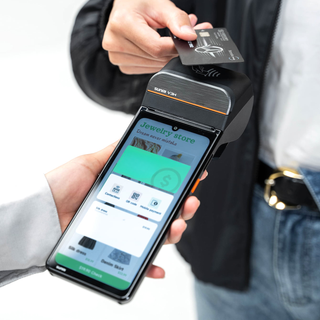
Ordering, payment and the seating a dining room is built around.
Dual screen with printer at the pass. Standard Android POS software.
Handhelds for the floor, so the pasta section starts cooking while the order is still being taken.
Upholstered banquettes built to your dimensions, for the wall runs of a dining room.
Plates, cutlery and wine glass are the part of an Italian room guests actually touch, and they follow your style rather than the equipment list. We stock the range and price it with the rest of the order.
Catalog prices at the quantities listed, excluding shipping, duties and installation. Send a request and we confirm current pricing and lead times for your build.
Request received
We are pricing the setup now and will come back with a quote and lead times, usually within one business day.
That did not go through
Something broke on the way to us. Try again, or write to sales@barequip.pro and we will pick it up from there.