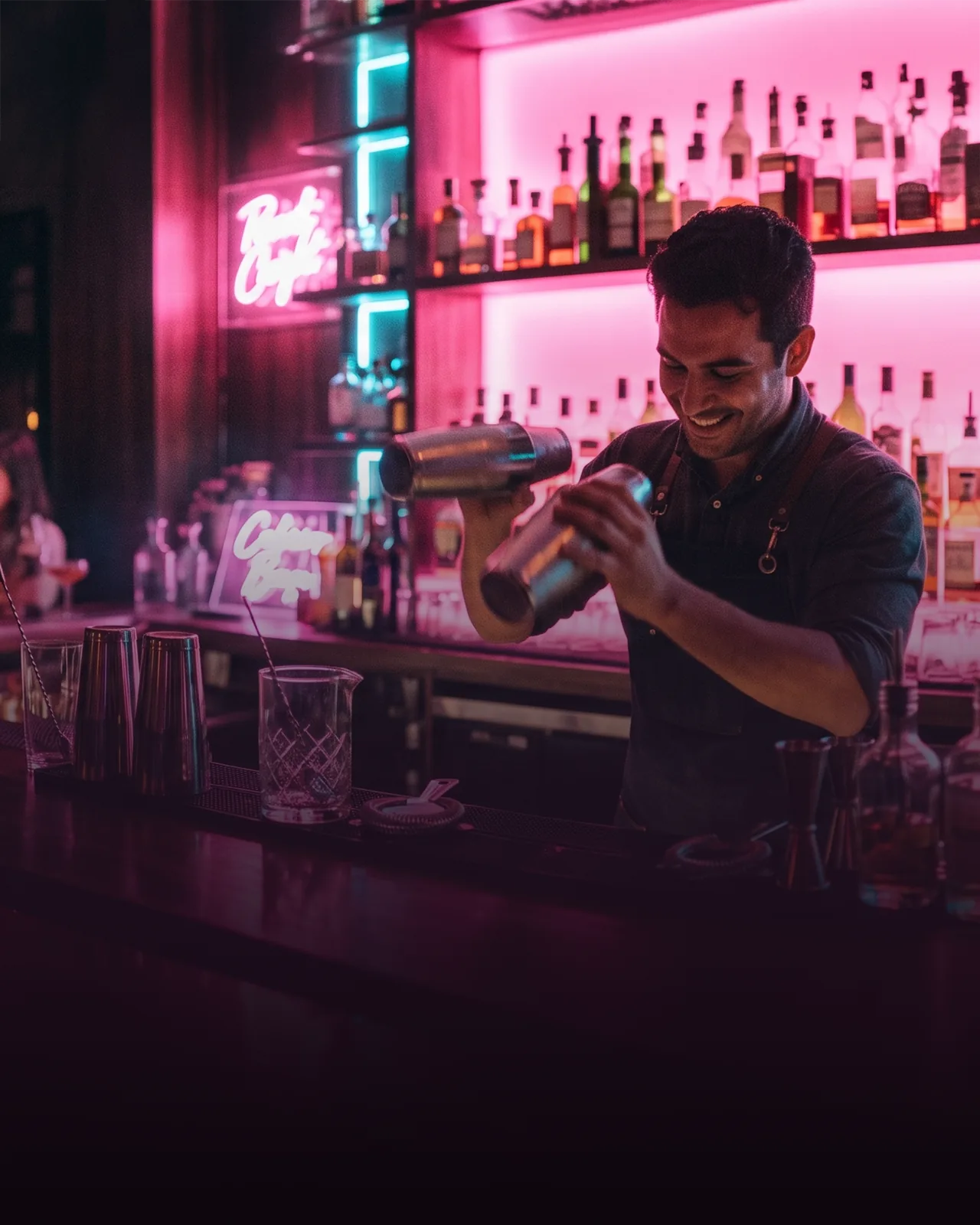


A post-mix soda gun system pours colas, tonic, soda, and mixers from one 10-button gun by mixing syrup concentrate, carbonated water, and chilling at the tap — so a few boxes of syrup replace a wall of bottles. Here is what it is, how it works, and whether it pays off.
Look behind most bars and you will find the same quiet waste: a wall of soft-drink bottles, a fridge shelf lost to cans, and a bartender reaching past all of it mid-rush. A post-mix soda gun system replaces that whole setup with a single handheld gun and a few boxes of syrup under the counter. Instead of storing finished drinks, you store concentrate and make each drink at the moment of pour. This guide covers what the system is, how it works, how much space and money it actually saves, and what to check before buying one.
What is a post-mix soda gun system, and how does it work?
A post-mix soda gun system mixes three things at the point of dispensing: concentrated syrup, carbonated water, and chilling. The bartender presses a button on the gun and the system combines syrup with CO2-carbonated water and pours it cold — no bottle, no can, no reaching. "Post-mix" simply means the drink is mixed after you press the button, not bottled in advance.
Our system runs a 10-button gun, so you assign ten lines — colas, lemon-lime, tonic, soda water, ginger ale, and your house mixers — and dispense any of them from one hand. The syrup is stored as concentrate in bag-in-box containers, connected to CO2 and a water line, and a built-in under-counter chiller holds the pour at 2–6°C through service, driven by a 1/3 HP+ compressor so it keeps up with continuous demand. The whole unit tucks into an under-counter footprint. The key shift is that you are no longer storing liters of finished soft drink — you store the concentrate and add the water and fizz at the tap.
Who is it for?
A post-mix soda gun system earns its place wherever soft drinks and mixers move in volume. High-volume bars and clubs use it to pour mixers fast without a bottle wall; restaurants and cafes use it for steady soft-drink service; and events, food trucks, and hotel bars use it to serve a wide drink range from a tight space. Any venue where cocktails lean on tonic, soda, and cola benefits, because the mixer is always cold, carbonated, and one button away.
It earns least in a low-volume spot that sells a handful of soft drinks a day, where a few bottles in the fridge are simpler than a plumbed system. The system rewards throughput — the more mixers you pour, the more its per-drink and per-square-meter savings add up.
Post-mix soda gun vs bottled and canned mixers
The honest comparison is against the bottles and cans it replaces. The difference shows up first in the space it frees, then in the cost of every pour:
| Bottled / canned mixers | Post-mix soda gun | |
|---|---|---|
| Storage / space | Cases of bottles plus fridge shelves | A few boxes of syrup concentrate under the counter |
| Cost per serve | Full price of a bottle or can | A fraction — syrup plus CO2 and water |
| Speed | Reach, open, pour | One button, poured cold instantly |
| Waste | Empties pile up; part-used bottles go flat | Mixed on demand; nothing goes flat |
| Consistency | Varies with the pour | Calibrated — the same every time |
| Best for | Low volume or specialty bottles | High-volume soft drink and mixer service |
The space row is the one operators feel first. Because you store concentrate instead of finished drinks, the water — most of the volume and weight of a bottled soda — never has to sit in your bar or your stockroom. A few boxes do the work of case after case of bottles.
Does a post-mix soda gun system pay off?
At $4,300 a post-mix soda gun system is an upfront investment that pays back two ways, and the first is space. A wall of bottles and a fridge full of cans is real estate — behind the bar, where every square meter is scarce, and in the stockroom. Post-mix reclaims most of it, because you are storing concentrated syrup rather than liters of finished drink and the water that fills them. That freed space is cooler room and working room you can use for something that actually earns.
The second is cost per drink. Post-mix syrup is significantly cheaper per serve than bottled or canned equivalents, so every mixer you pour costs less than pulling a bottle, and the gap compounds with volume. Add faster service at peak, fewer deliveries to handle, and no empties to store or recycle, and the system recovers its price fastest exactly where it is busiest. A low-volume bar may never close that gap; a high-volume one closes it quickly.
What to look for when buying one
A few specs decide whether the system fits your bar:
- Number of drink lines. The 10-button gun covers ten beverages from one hand. Map it to your actual drink list — colas, tonic, soda, ginger ale, plus house mixers — so you are not short a line at the tap.
- Chiller capacity and temperature. The under-counter chiller holds 2–6°C, which is what keeps the pour cold and carbonated through a rush. Match the compressor (ours is 1/3 HP+) to your pour rate so it does not fall behind at peak.
- CO2 and water setup. Post-mix needs a CO2 supply and a water line. Confirm you can run both to the bar well before install.
- Footprint. The unit is built to sit under the counter — measure your bar well against it so it drops in cleanly.
Tell us your drink lines and your CO2 setup, and we can confirm the system fits your bar before you buy.
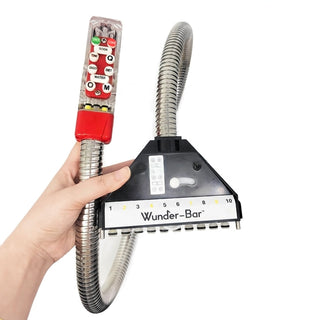
Wondering how much space and cost it would save you? Send us the soft drinks and mixers you pour most and your bar layout, and we will confirm whether a post-mix soda gun system fits your well and your volume.


