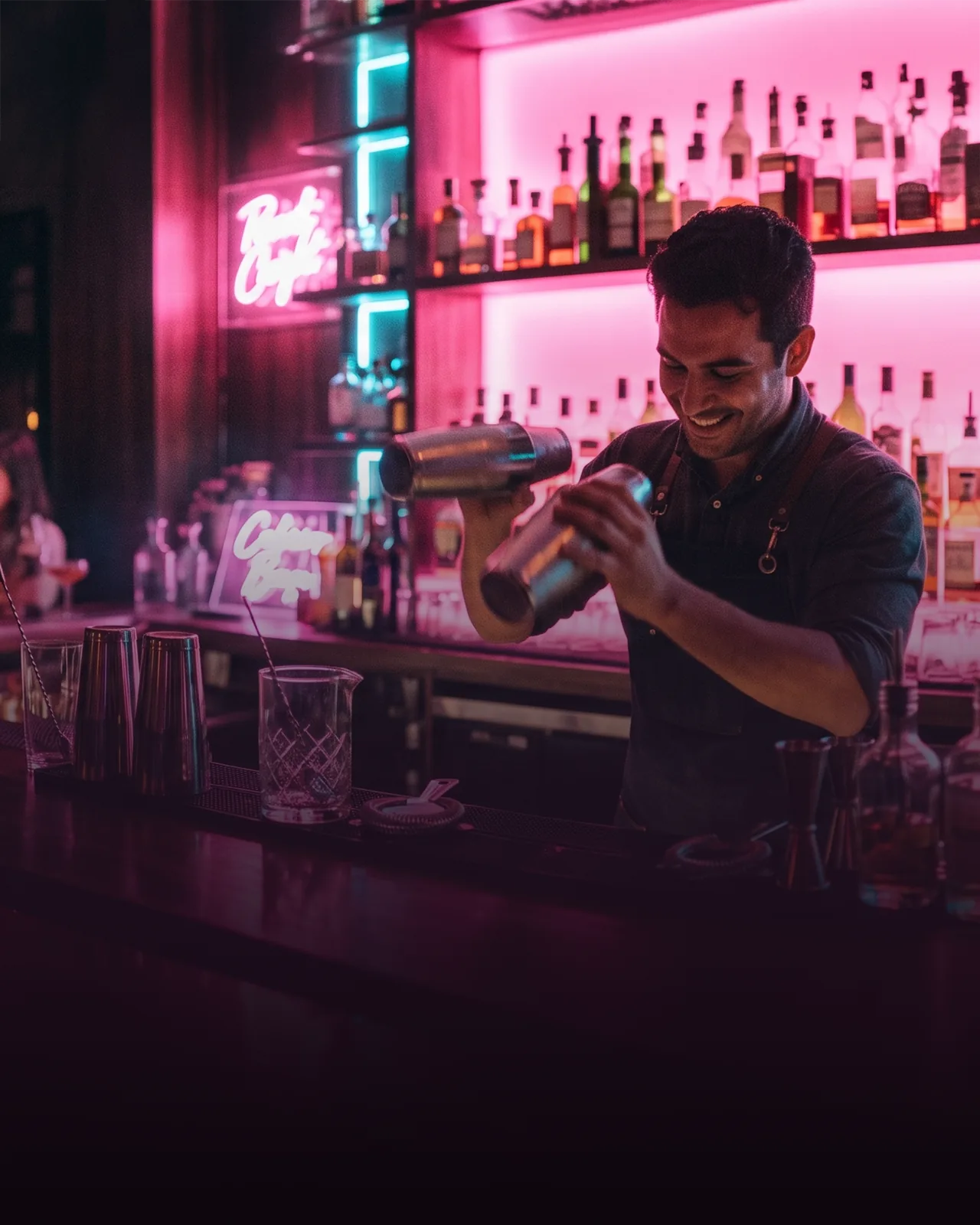


A glass froster chills a glass in seconds so beer and cocktails go out cold instead of warming in the hand. Here is what a glass froster does, how it works, whether it pays off behind the bar, and how to pick the format that fits your venue.
Pour a cold beer into a room-temperature glass and you lose the first sip. The head collapses faster, the drink warms on contact, and the guest feels it before they can name why the pint that looked perfect tastes merely fine. A glass froster fixes that one quiet problem: it puts a cold, frosted glass in the bartender's hand on demand, so the drink arrives as cold as it left the tap. This guide covers what a glass froster is, how it works, whether the spend pays off, and how to choose between the formats.
What a glass froster is and how it works
A glass froster is a compact countertop unit that chills an empty glass in seconds, leaving a thin layer of frost on the surface. That frost is not only for looks — it drops the glass temperature so the drink stays colder longer, holds its head, and reads as a deliberate, high-end serve. The bartender presents a glass, it comes out frosted, and the pour goes straight in.
The chilling itself is the same trick in every model: a burst of CO2 expands against the glass and drops its surface temperature almost instantly. That means every froster in our range runs from a food-grade CO2 cylinder — that is the baseline, not a feature to shop between. The units do plug into a socket, but the mains power runs the LED and the valve, not a refrigeration circuit; the cold comes from the gas.
What actually differs between models is the format — how the glass meets the machine — and whether the unit also makes dry ice:
- Upright. The glass goes in from underneath, into a tall, slim body. Narrow footprint on the bar.
- Cube. The glass presses down on the top of the unit to trigger the burst. Low, square, sits flat on the back bar.
- Cube with a dry-ice function. Same press-down action, and it also makes its own dry ice for a fog effect on the serve.
All three land a frosted glass in seconds. Which one fits depends on the space you have, how the bartender reaches for a glass mid-pour, and whether presentation is part of the show — covered further down.
Who is it for, and why does it matter?
A glass froster earns its place anywhere the temperature of the serve is part of the product. Beer bars and taprooms use it so every pint lands cold, not just the first one out of a slow shift. Cocktail bars use it for spirit-forward and stirred drinks that are meant to stay cold in the glass, where a warm coupe undoes the bartender's work in a minute. Hotels and restaurants use frosted service as a visible premium touch on the drinks list, and cafes use it for iced and specialty coffee that guests photograph.
It matters most in two moments: the busy shift, when glasses would otherwise be pulled warm from a shelf, and the premium serve, when a frosted glass signals that the venue sweats the details. It earns least where drinks are served fast and casual and no one is watching the glass — match it to venues where the serve itself is part of what guests pay for.
Glass froster vs a warm glass: the difference in the drink
The honest comparison is against how most bars chill glasses today — a freezer shelf, or nothing at all. A freezer works, but it needs space, planning, and glasses pulled ahead of time; run out mid-rush and you are back to warm glassware. A froster makes a cold glass on demand. Here is how the options line up, including the three froster formats:
| Method | How it chills | How you use it | Setup | Extra |
|---|---|---|---|---|
| Freezer shelf | Pre-chill glasses ahead of service | Pull a glass off the shelf | Takes freezer space; needs planning | — |
| Upright CO2 froster | CO2 burst | Glass goes in from underneath | Needs a CO2 cylinder; slim upright body | Narrowest footprint |
| CO2 froster cube | CO2 burst | Press the glass down on top | Needs a CO2 cylinder; low square body | Rated around 10 glasses a minute |
| Dry-ice froster cube | Liquid CO2, chill + dry ice | Press the glass down on top | Needs a CO2 cylinder; sits on the back bar | Makes its own dry ice for fog |
The table is the whole decision in miniature: a freezer is free but slow and space-hungry, while a froster trades a modest spend and a gas line for a cold glass exactly when the bartender reaches for one.
Does a glass froster pay off?
A glass froster is one of the cheapest upgrades on a bar's equipment list, and it pays back through the serve rather than a line on a spreadsheet. Three ways it earns: it protects the drink, since a cold glass keeps beer and cocktails at temperature so guests order a second instead of leaving one half-finished; it supports a premium or upsell serve, where frosted glassware justifies a higher price on signature drinks; and it makes the serve photogenic, and a frosted glass — or a curl of dry-ice fog — is the kind of detail guests film and share.
We are not going to attach a payback figure to that, because it depends on your drink prices and volume. Budget the CO2 alongside it: the cylinder and its refills are a small running cost, but they are a real one, and a froster with an empty cylinder is an ornament. Even so, the spend is small enough that a handful of extra premium serves or repeat visits covers it, and the cost of skipping it — warm glasses on your busiest night — lands exactly when it hurts most.
What to look for when buying one
Because the chilling is the same in all three, the choice is about how the unit lives on your bar. Three questions decide it, and each maps to one of ours:
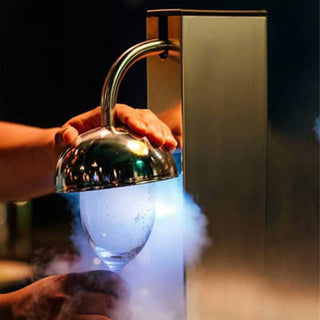
First, how the glass meets the machine. If bar-top space is tight and you would rather the unit stood tall than sprawled, the upright CO2 glass froster takes the glass from underneath and keeps a narrow footprint on a crowded back bar.
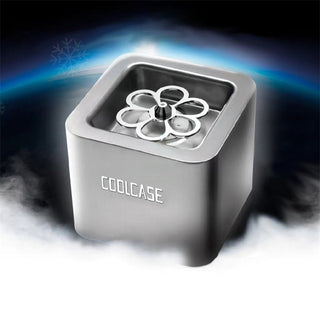
Second, throughput and reach. If the bartender is frosting glass after glass through a rush, the CO2 glass froster cube is the press-down format — set the glass on top, press, done — and it is rated for around ten glasses a minute from a low, square body that tucks onto the back bar.
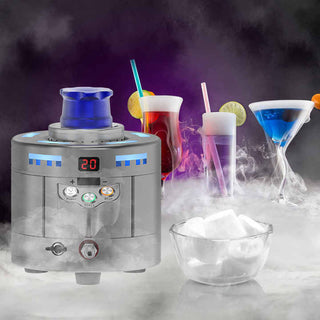
Third, presentation. If the serve itself is the show, the glass froster with a dry-ice maker chills the glass with the same press-down action and produces its own dry ice for fog effects on cocktails and desserts — no dry-ice deliveries to store.
Beyond that, check the footprint against your back-bar space — all three are compact — and plan where the CO2 cylinder lives and how you will swap it. If you already run gas for draft beer, you are most of the way there. Match the model to how you work, not to the highest spec, and the froster disappears into the routine while the cold glass does the talking.
Not sure which froster fits your bar? Tell us your drink mix, your volume, and how much room you have on the back bar — and we will point you to the upright, cube, or dry-ice model that pays off for your service.


