


In short: a kegerator has one job — hold beer at a steady temperature from the keg to the moment it leaves the faucet. A cheap unit does the easy half of that and abandons the last thirty centimetres, which is where foam, waste and every argument about the beer actually begin.
Nobody buys a bad kegerator on purpose. They buy one that chills a keg, because that is obviously what the machine is for, and then spend a year adjusting gas pressure to fix a problem that gas pressure did not cause.
The gap between a cheap unit and a proper one is not build quality in any visible sense. It is whether the cold reaches the faucet.
The one job: one temperature, all the way to the glass
Beer is a carbonated liquid held in solution under pressure. It stays in solution as long as temperature and pressure stay where the brewer put them. Warm it up anywhere along the route and CO₂ comes out of solution as gas — which is what foam is.
So the actual specification of a draft system is not "cools a keg". It is "no point along the beer's path is warmer than the keg", from the coupler through the line, through the shank, to the inside of the faucet.
A cheap kegerator does the keg. Then the beer travels up an uninsulated tower that has been sitting in a warm bar all evening, and arrives at a faucet that is several degrees warmer than everything behind it.
Foam is a temperature problem before it is a gas problem
The first pour of the evening is the tell. If it comes out as half a glass of foam and then settles down after two or three pints, nothing is wrong with your gas — the beer that sat in the warm tower overnight came out of solution, and once you have flushed it through, the cold beer behind it pours fine.
That first-pour foam is real money. Two or three pints per tap per session, poured away before service even starts, is a weekly number worth calculating for your own bar. Multiply it by taps, multiply by days, and it usually lands somewhere north of a keg a month.
The other half is the pour that keeps foaming all night, which points at the same underlying cause running continuously: a line that warms between the fridge and the faucet on a long run, or a tower with no cooling at all in a bar that is warm because it is full.
Turning gas pressure down to "fix" it is the standard response and it makes things worse in a way that takes weeks to show up. Under-pressured beer goes flat in the keg, and flat beer foams differently and tastes worse — so you have traded a visible problem for an invisible one.
Where a cheap unit gives up: the tower
The tower is the part above the counter, and it is the whole argument. On a cheap kegerator it is a hollow stainless tube with a beer line running through it and nothing else.
A proper installation keeps the tower cold in one of three ways: a small fan blowing chilled air from the cabinet up into the tower, glycol lines running alongside the beer line, or — on longer runs — a recirculating glycol chiller that keeps the whole run at temperature regardless of length.

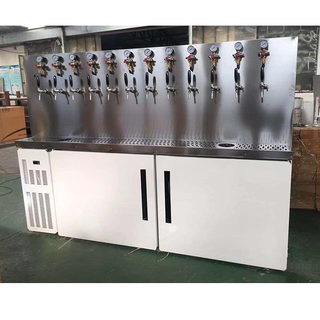
If you are buying a multi-tap wall system rather than an under-counter unit, this is already solved in the good ones, and it is worth checking rather than assuming. The same units usually carry glass rinsers, which matter for a different reason — a warm or detergent-filmed glass makes beer foam as reliably as a warm line does.
The compressor spec that fails in July
Every kegerator is rated to hold a temperature at some ambient room temperature. The number that matters is what happens when the room is at thirty degrees and the door is opening every few minutes.
A cheap unit sized for a domestic kitchen holds fine in a quiet bar in March and cannot recover in August. What you see is a slow drift upward across a busy evening — the pours get foamier as the night goes on, which everybody blames on the keg being nearly empty.
Two ways to buy your way out of it. A commercial-grade compressor with capacity in hand for the room you actually have, or an ice-bank system, which builds a reservoir of cold during quiet periods and draws on it during the rush — the format that copes best with heavy intermittent demand.

If the bar is small and honest about it, a compact countertop cooler is a legitimate answer and a much better one than an under-specified full-size unit. One or two taps that always pour correctly beats four that do not.

Line length and pressure have to balance
The line between keg and faucet is not just a tube. It provides resistance, and that resistance has to match the pressure pushing the beer, or you get foam at one end of the error and a trickle at the other.
Longer runs need either narrower line or more of it to balance the same pressure, and the calculation changes with the beer's carbonation level and the height the beer has to climb. This is where a cheap installation and a cheap kegerator compound each other: an under-specified unit is usually installed by someone who also did not balance the system.
The practical test is simple. A correctly balanced tap fills a pint in roughly ten to fifteen seconds with a proper head and no adjustment. If a bartender has to open the tap halfway, or tilt the glass to a specific angle to make it work, the system is not balanced and no amount of technique will fix it.
Capacity is about changing kegs, not holding them
The number of taps is the headline spec, and the number that matters is whether a keg can be changed without stopping service.
A cabinet packed to its rated capacity has no room to work in. Changing a keg mid-rush means pulling a full one out to reach the empty one, which takes a person off the bar for five minutes at the worst possible moment, so in practice it gets left until close — and the tap runs empty for the last hour of trade.
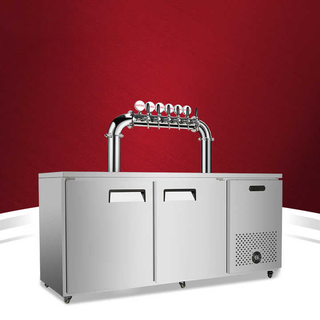
Specify one keg space more than your tap count if the layout allows it, and put the fastest-selling lines nearest the door. It is a small consideration that decides whether the machine helps on the night that matters.
The two things that pay for themselves
Beyond the cooling, two additions return real money on any system with more than a couple of taps.
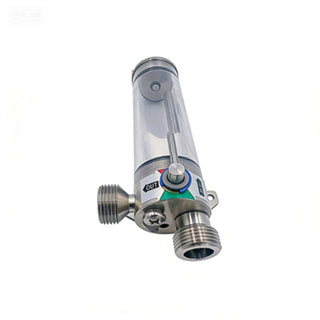
A foam-on-beer detector seals the line the instant a keg blows, so the run stays full of pourable beer and the next keg goes live without purging. On a long draw that is dozens of pints a week that currently go down the drain.
And line cleaning on a schedule — every one to two weeks depending on your market's standard — which is the difference between beer that tastes like the brewery intended and beer that tastes like the bar. We covered where this and several other leaks sit in ten mistakes that eat a bar's profit.
What to check before you buy a kegerator
- How is the tower cooled? If the answer is "it isn't", the first two pints of every session are foam. This is the single question that separates a cheap unit from a working one.
- What ambient temperature is it rated for? Then compare that against your bar in August with the room full, not against the specification sheet's assumptions.
- How many kegs fit, and can you change one without emptying the cabinet? Capacity you cannot reach during service is not capacity.
- Is the system balanced for your line length? Ten to fifteen seconds to a correctly headed pint, tap fully open, or it is not.
- Is there a FOB detector on long runs? Without one, every keg change purges a line's worth of sellable beer.
- Where does the condensate and the drip tray drain? Unglamorous, routinely forgotten, and the reason some installations end up with a bucket under the bar.
Not sure whether your foam problem is the gas or the kit? Tell us your tap count, the run length from keg to faucet and how warm the bar gets, and we will tell you what the system actually needs.


