

In short: how to open an event venue is unlike opening a restaurant, because you have no product of your own. The client brings the event. What you sell is an empty room and the things they cannot bring with them — power, rigging, sound that will not get you shut down, a way to feed people, and a bar.
That inverts the usual planning. A restaurant decides a menu and builds a kitchen for it. A venue has no menu, and the same room has to work for a wedding on Saturday, a conference on Monday and a product launch on Thursday.
Everything below follows from that: capability rather than concept, flexibility rather than fit-out, and infrastructure that is invisible when it works.
Capacity is a legal number before it is a commercial one
The first figure to establish is how many people may legally be in the room, and it is set by fire and building regulations rather than by how many chairs fit.
It depends on exit widths and travel distances, and it changes with the layout: the same room takes more people standing than seated at round tables, and a stage or a bar eats into it. Get this number from a competent person before signing anything, because every revenue projection you write is a multiple of it, and it cannot be increased later without building work.
Publish it in every layout you quote. A venue that has to tell a client three weeks before their wedding that the seated capacity is lower than the standing one has a problem that is entirely avoidable.
Power is the infrastructure nobody sees and everybody needs
The most common technical failure at events is electrical, and it is almost always because the building was specified for a room rather than for what people bring into it.
A wedding brings a band, a caterer with hot boxes and a DJ. A conference brings screens and a hundred laptops. A production launch brings a lighting rig. Each is a load the original electrical design never saw, and the failure mode is a tripped circuit halfway through a speech.
Three things to get right at fit-out. Enough distribution to the places equipment actually goes — stage end, catering area, bar — rather than one supply at the door. Separate circuits for catering and for audio, because a fridge compressor and a sound system on the same phase is audible. And a documented capacity per outlet that you hand to suppliers in advance, so their load is checked before the van arrives.
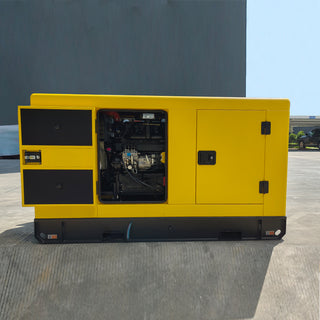
For outdoor or overflow space, a generator is not a contingency, it is a line item. Silent-running sets exist for exactly this and are the difference between power in the marquee and a noise complaint.
Sound: the system, and the limiter the neighbours require
A house PA that covers speech and background music is worth owning, because most clients do not need more and hiring one for every event erodes the booking value.
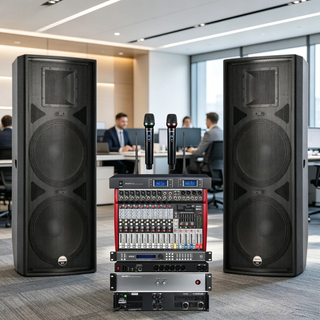
What you must also own is the noise position. In residential-adjacent sites — which is most urban venues — the licence will come with a condition on levels, hours or both, and the practical answer is a noise limiter tied to the supply feeding the stage.
Limiters are unpopular with bands and they are also what keeps the venue open. The way to make them workable is to be explicit: state the limit, the hours and the consequence in the contract, and tell the act before they load in rather than during their set. A venue that surprises a band at nine o'clock has an argument in front of a hundred and fifty guests.
Germany is the strictest of the markets below on this — TA Lärm night limits are low enough that insulation is frequently a planning condition rather than an option.
Light: what the venue owns, and what the client brings
The rule of thumb is that a venue owns what makes the room look good empty, and clients bring what makes their event look like theirs.
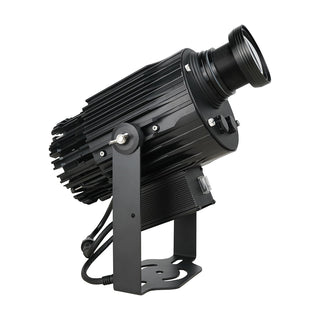
Owning a full moving-light rig is usually a mistake — it dates, it needs an operator, and production companies bring better. Owning the fixed, low-maintenance layer is not: architectural wash that makes the room photograph well, and a projector that can put a client's logo or a pattern on a wall without a truss.
A screen is the one big-ticket item worth considering, because it is the single most requested piece of AV and the one most annoying to hire repeatedly. A modular LED wall covers conferences, weddings and product launches with one asset, and it earns its keep faster than any lighting rig.

What matters more than either is rigging. Ceiling points, their load ratings and a current inspection certificate are what let a production company work in your building at all — and their absence is what makes a venue cheap to build and hard to book.
The catering question has three answers
Decide this before the fit-out, because it changes the building.
Your own kitchen and your own catering keeps the margin and adds a restaurant business to run, with the staffing and waste that implies. It suits venues doing frequent, similar events.
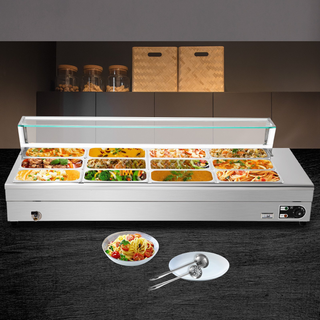
A preferred supplier list is the most common answer: you provide a catering kitchen — prep space, cold storage, wash-up, holding — and approved caterers work in it for a fee or a commission. Lower margin, far lower risk, and it makes the venue attractive to clients who already have a caterer.
Open to any caterer maximises bookings and minimises control. If you go this way, the kitchen still has to exist and it still has to be safe, and you need a competence check on people you have never met.
Whichever route, holding equipment is the venue's rather than the caterer's in most well-run buildings, because it is what actually gets used at every event and hire stock arrives with dents and missing lids.
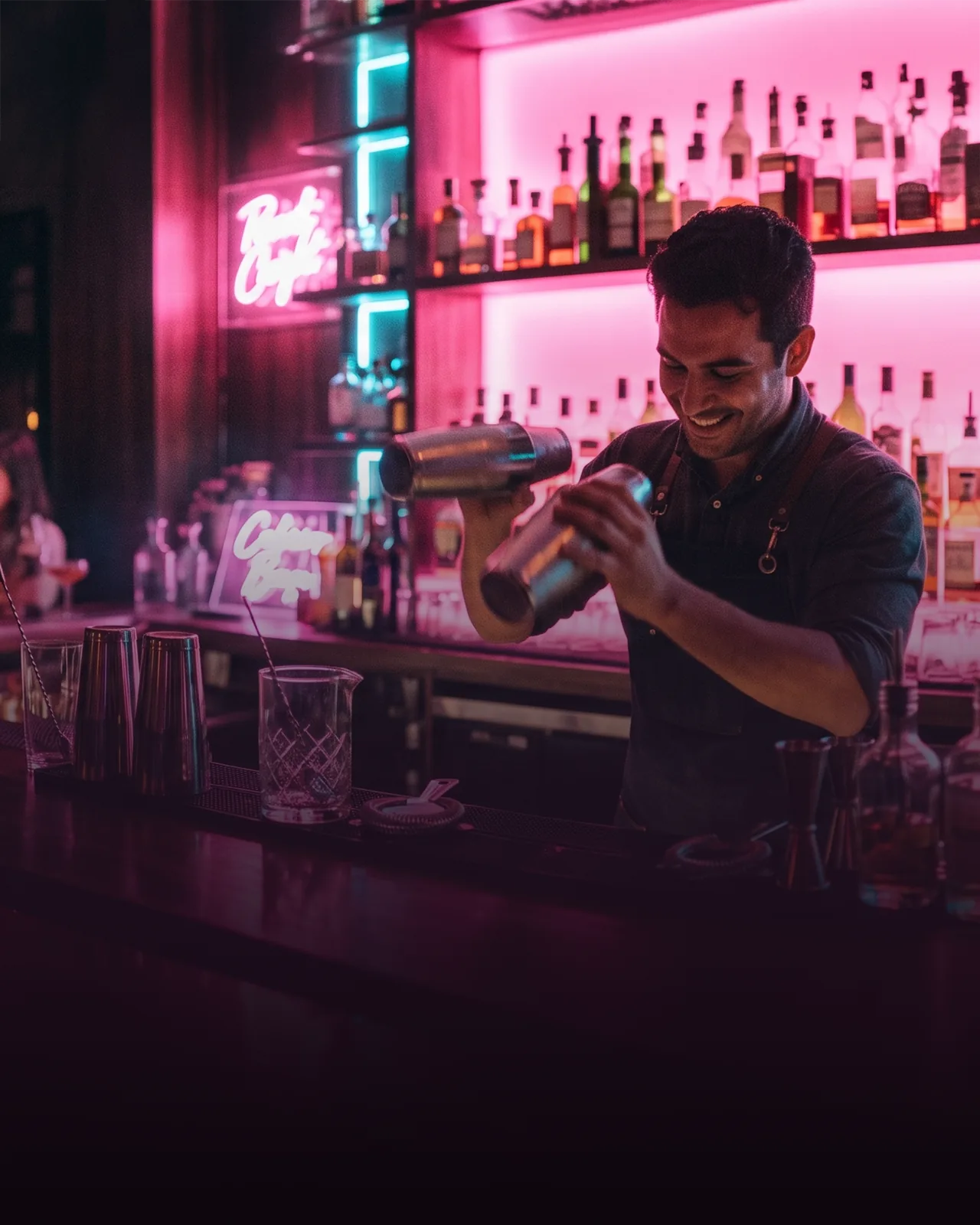
The bar is usually the revenue you control
Room hire is negotiated hard and catering margin is often shared. The bar is frequently the one line where the venue keeps the whole margin, which makes it worth more attention than its floor area suggests.
The flexible answer is a mobile bar rather than a fixed one: it goes where the layout needs it, it can be doubled for a large event and removed entirely for a conference, and it does not consume floor space on days it is not selling.
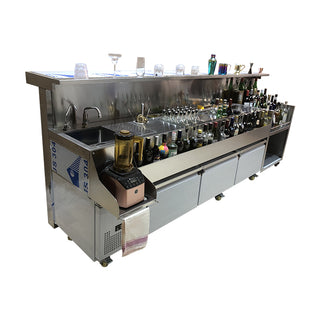
Two practical points. Ice is the item venues chronically under-provide, and the shortfall always happens on the hottest day of the year. And a cash bar and an open bar are different operations — the second is a tab against a limit, and the till and the staffing have to be set up for it in advance rather than improvised.
Flexibility is a discipline, not a feature
The venues that book well are the ones that can be reconfigured quickly, and that comes from decisions made at fit-out.
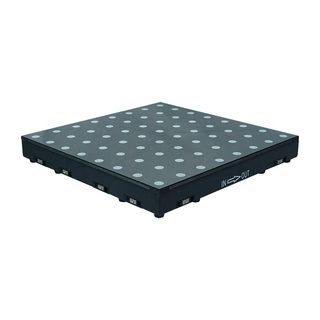
Keep the floor clear. Fixed seating, fixed staging and fixed bars all reduce the number of events the room can hold. Where a feature is wanted, prefer the version that can be taken out — modular flooring that turns part of the room into a dance floor and then goes away is worth more than a permanent one.
Storage is what makes flexibility real. Three hundred chairs, forty tables, linen, staging, AV and the bar all have to live somewhere between events, and a venue without storage is a venue that hires everything and pays for it twice.
Turnaround is the number that decides how much you can sell. If a room takes six hours to reset, you cannot do a lunch conference and an evening wedding on the same day — and that is a permanent cap on revenue set by furniture choices and a storage door.
How to open an event venue: where the money goes
The building dominates: capacity works, exits, toilets sized for the headcount, power distribution, ceiling rigging points, and access for a van. These are exactly the costs that do not show in photographs and cannot be added later without closing.
Equipment is second and it is the part to buy slowly. Own the things used at every event — PA, holding, the bar, tables and chairs — and hire the specialist items until the booking pattern tells you what you actually need.
Revenue has an unusual rhythm. Bookings come with long lead times and deposits, so cash flow is better than a restaurant's, and demand is sharply seasonal and weekend-weighted. The midweek and off-season programme is what separates a venue that works from one that is busy for four months.
Licences: the room, the music and the alcohol
United Kingdom. A Premises Licence covering regulated entertainment, late-night refreshment and alcohol, with the operating schedule — hours, activities, noise conditions — at the heart of it and publicly advertised. Music requires TheMusicLicence from PPL PRS. If the venue does not hold an alcohol licence itself, a client can use a Temporary Event Notice, which covers up to 499 people and must be served on council and police at least ten working days ahead — worth knowing, because it is what lets an unlicensed venue take bar-led bookings while its own application is in progress.
United Arab Emirates. A trade licence with the right activity and eligible zoning, Civil Defence clearance, and Dubai Municipality approval covering food handling and ventilation. Entertainment permits are event-specific and cover show type, hours and sound, issued through the Department of Economy and Tourism in Dubai. Alcohol is tightly controlled and generally confined to licensed venues, and security staff need SIRA licensing.
United States. A certificate of occupancy stating the legal capacity, a state or local liquor licence through the ABC board — or one-day special-event permits for clients who bring their own — and in many cities a separate entertainment, cabaret or dance-hall permit for amplified music and dancing. Music licences come from ASCAP, BMI and SESAC separately.
Australia. Council approval for the use and the capacity, an on-premises or limited liquor licence from the state regulator with RSA competency for anyone serving, and OneMusic Australia for recorded music. Noise conditions are set locally and are the most common source of complaint-driven restrictions.
The pattern across all four: capacity comes from the building authority, music has its own licence, and alcohol can travel with the client if it does not travel with the venue.
What breaks in year one
The electrical supply, at somebody's wedding, because a caterer plugged three hot boxes into the same circuit as the DJ. Fixed by a distribution plan handed to suppliers in advance.
The noise condition, because nobody told the band about the limiter until they were playing. Fixed in the contract, not on the night.
And the turnaround, discovered the first time two bookings land on one day. That one is furniture and storage, decided at fit-out, and it is the difference between a venue with fifty event days a year and one with a hundred and twenty.
Working out what the venue should own and what clients should bring? Tell us your capacity and the mix of events you are targeting, and we will split the list between house kit and hire.


