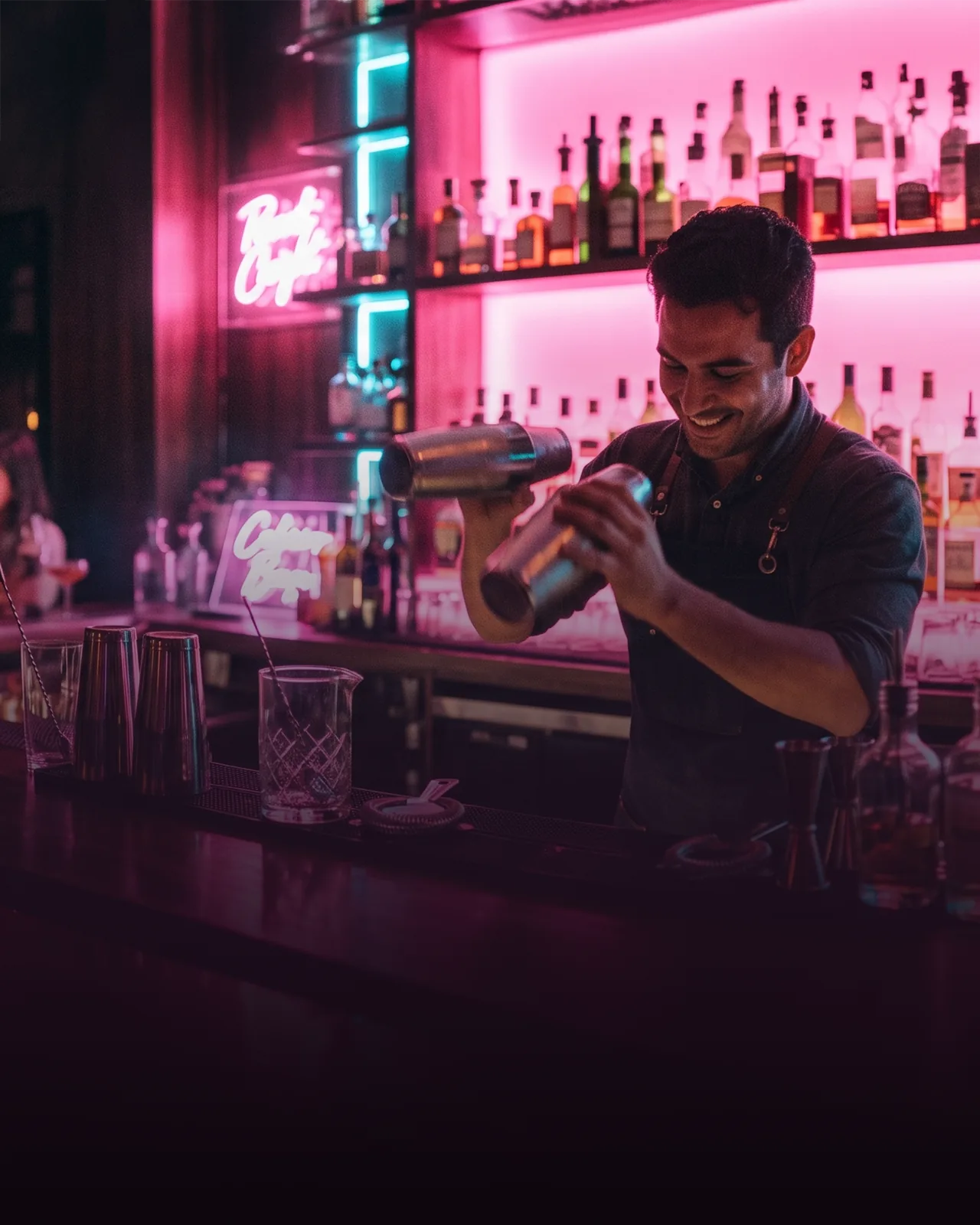


A hotel is one room repeated, plus the machinery that resets it. This guide to how to open a hotel separates what you buy once from what you buy per key, then covers the turnover engine, the shared spaces that set your rate, and the accommodation licences.
Every decision inside a guest room gets multiplied. Choose a mattress and you have chosen it sixty times. Put a kettle in the room instead of a coffee machine and you have made that trade on every floor for the next five years. Meanwhile the machines that decide whether the property actually functions — the laundry, the water treatment, the cleaning plant — are bought once, sit where no guest will ever see them, and are the first things a tight budget cuts.
That asymmetry is the whole discipline of a hotel build: be unreasonably careful about a small number of repeated choices, and generous about a small number of unrepeated ones. So this guide runs in that order — the room, the machinery that turns it over, the shared spaces guests pay a premium for, and the infrastructure underneath all of it. The approvals come last, and in accommodation they are a different regime from anything in food and drink.
What kind of hotel are you actually building?
Room count and segment settle almost everything downstream, so fix both before you buy or sign anything.
A small boutique or city property of twenty to fifty keys can outsource laundry, skip a gym, and run breakfast from a compact kitchen; its budget concentrates in the rooms, because that is what the guest is paying the premium for. A mid-size full-service hotel crosses the line where outsourcing stops paying: at a certain volume, in-house laundry, real housekeeping plant, and a proper food-and-beverage operation become cheaper than the alternatives. A resort adds pool, grounds, sports, and often its own water treatment, which are property-scale systems rather than room-scale purchases. A budget or limited-service property competes on cost per turnover: fewer amenities, harder-wearing everything, and cleaning designed to reset a room in minutes.
Two numbers do most of the work in all four models — your key count and your expected occupancy. Together they tell you how many rooms get reset per day, how much linen circulates, how much hot water leaves the tanks at seven in the morning, and how many breakfasts land at eight. Nearly every sizing question below comes back to them. Our hotel equipment collection is organized by area, from guest rooms through housekeeping.
The room, multiplied by your key count
Everything in this section is one purchase repeated dozens of times, which means the gap between a good choice and a mediocre one is multiplied too — in cost, in reviews, and in how soon you replace it.
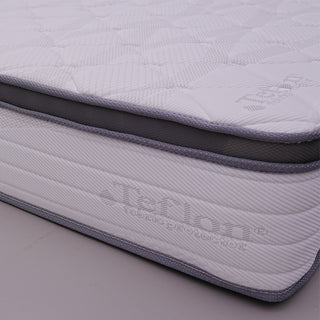
Start with the bed, the only thing every guest uses for hours and the item most often named in reviews. Commercial grade matters here: a mattress that feels fine on night one has to feel the same after a thousand nights and several hundred different bodies. Buy one specification for the whole property, so a guest's experience does not depend on which floor they were given. Our pocket spring cooling mattress arrives vacuum-rolled, which matters more than it sounds when you are furnishing forty rooms through one service lift; the bedding collection also carries a roll-in-a-box hybrid and toppers for extending the life of an existing fleet.
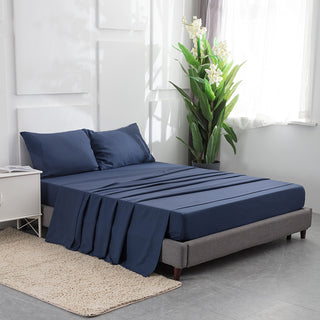
Linen is not a purchase, it is a circulating stock. Three sets per bed is the working rule — one on, one in the wash, one on the shelf — and anything less means a delayed check-in the first time a laundry cycle slips. Durability beats thread count in a property, because commercial washing at high temperature is what actually kills hotel linen. Our microfiber sheet set is built for that cycle, and holding one specification across the property keeps housekeeping from sorting sizes in a corridor.
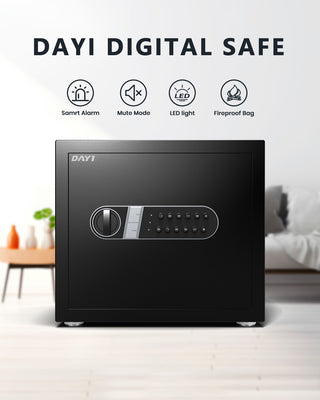
An in-room safe is the kind of item guests rarely use and always notice the absence of, particularly business travelers and anyone from a market where it is standard. A keypad model sized for a laptop is the norm. Our digital security safe covers standard rooms, with a fireproof wall safe in the room safe range for suites and the back office.
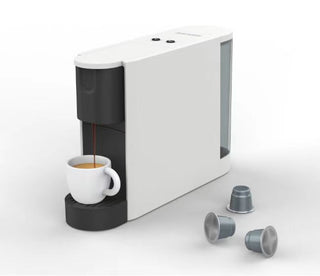
Then the in-room drink. A kettle and sachets say one thing about a property; a capsule machine says another, and the gap in perceived value is far wider than the gap in cost per room. It also resets in seconds, which housekeeping will care about more than you do. Our capsule coffee machine runs at 20 bar with two brew sizes, and a glass-door cooler from the minibar range handles the stocked side if your segment expects it.
The turnover engine nobody photographs
A hotel's real product is not the room. It is the room, ready, again, every day. Turnover is where staffing cost concentrates and where a property either runs calmly or fights itself, and it is very largely an equipment question.
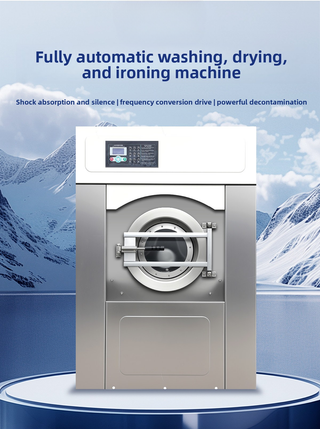
Laundry is the biggest decision here, and it is a genuine fork: outsource, or bring it in-house. Outsourcing suits small properties and anyone short on plant space. In-house wins on cost per kilogram once volume is steady, and it removes the dependency that leaves you without sheets on a public holiday. An integrated washer-extractor and dryer line is what makes it viable in a modest room. Our integrated hotel laundry line pairs both stages, and the laundry collection scales to a 100 kg washer extractor for a large property. Size it against rooms per day plus restaurant linen, then add headroom, because laundry is the machine that stops a hotel when it breaks.
Floor cleaning is the other repeated task, and it scales badly with staff. Corridors, lobbies, and function space are large, open, and cleaned on a fixed rhythm — exactly the work robots do well and people find demoralizing. A robot vacuum and mop covers corridors and rooms overnight, while ride-on or autonomous scrubbers handle lobbies and back-of-house at resort scale. Our commercial robot vacuum and mop self-empties and navigates by LDS; the cleaning robot collection and the wider housekeeping range cover ride-on scrubbers and sweepers for larger floor areas.

Two further pieces belong to turnover. Air and surface sterilization has moved from optional to expected in accommodation, and UV-C air systems for public areas and disinfection cabinets for equipment sit in the same housekeeping collection. And waste at hotel scale is a logistics problem rather than a bin problem: a compactor or a baler turns daily volume into scheduled collections, which is cheaper and tidier than a bin store that overflows every weekend.
The shared spaces that set your rate
Rooms sell the booking; shared spaces set the price. Breakfast, a pool, a gym, and a lobby worth sitting in are what move a property between rate bands, and each is a small business with its own equipment list.
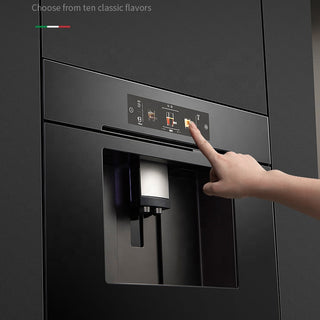
Breakfast is the highest-friction service in the building: everyone wants it inside the same ninety minutes, and coffee is what they judge it by. A built-in automatic machine gives consistent output through a rush no property staffs generously. Our built-in automatic espresso machine is designed to sit in a finished counter, with staffed and self-service alternatives in the espresso collection and the rest of the service kit in dining.
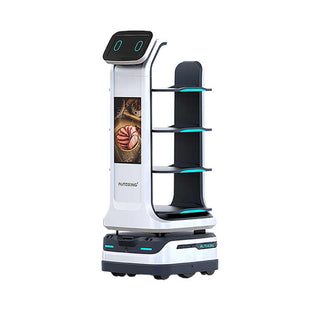
Room service and floor delivery are where staffing gets thin at exactly the moment a guest wants something. A delivery robot carries orders from the kitchen to a floor or a table without pulling anyone off service, which is why hotels adopted them faster than restaurants did. Our autonomous delivery robot handles that run — see the service robot collection.
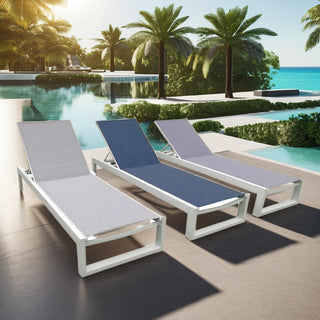
A pool changes both your rate and your maintenance calendar. The guest-facing half is furniture, and it has to be commercial grade and stackable, because domestic loungers fail within a season of sun and chlorine. Our stackable aluminum sun lounger is built for that duty, with daybeds, cabanas, and louvered pergolas in the poolside furniture collection.
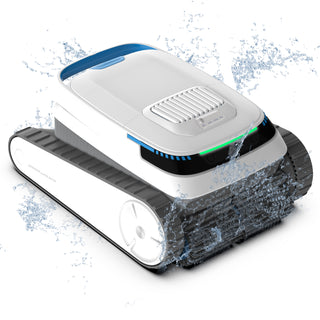
The unglamorous half is water quality, which is a compliance matter as much as a comfort one. Filtration, sterilization, and a robotic cleaner keep a pool open and inspected instead of closed for a week in high season. Our cordless robotic pool cleaner handles the daily clean, and the pool equipment collection carries plug-and-play filtration.
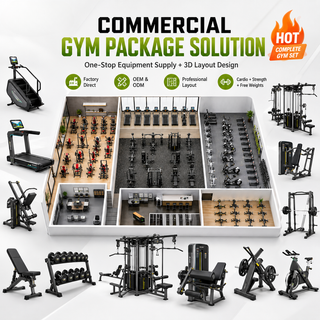
A gym is the cheapest rate-band upgrade available to a small property, because it needs a room rather than staff. Buy it as a package sized to the space instead of assembling machines one at a time, and put it somewhere with ventilation and a hard floor. Our commercial gym package covers a strength and cardio fit-out, with a multi-station alternative in the gym collection. The lounge and wellness collection covers the spa and quiet-room side if your segment expects one.
Back of house: water, power, and the things guests never see
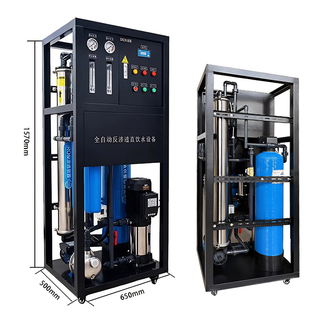
Then comes the layer no guest will ever compliment and every guest notices when it fails. Water is first. In hard-water regions scale destroys boilers, kettles, coffee machines, and shower fittings across the whole property at once, and in some markets the tap water is simply not what a guest expects to drink. Property-scale treatment protects every downstream machine you bought. Our commercial reverse osmosis system runs 250 L/h, with UV disinfection and desalination options in the water purification collection for coastal and remote sites.
Hot water capacity deserves equal attention and rarely gets it. Occupancy concentrates demand into two narrow windows, early morning and evening, so a system sized on daily average will disappoint a full house at seven. Size for simultaneous use at peak rather than for total consumption.
Power is the third. A property runs lifts, laundry, kitchen, and climate control at the same time, and remote or island sites often add generation and storage on top. Where the supply is unreliable, solar with battery storage has become a routine part of a hotel build rather than an eccentricity. Whatever the source, agree the electrical load with your contractor against the full equipment list rather than a floor plan, because upgrading a supply after opening is expensive and disruptive in equal measure.
What does it cost to equip a hotel?
Split the list in two before costing anything. Some items you buy once for the property; others you buy for every key, and those are where a small per-unit difference turns into a large number. The table below is how the budget actually behaves.
| Bought | What sits here | What drives the number | Where properties under-buy |
|---|---|---|---|
| Per key (× room count) | Mattress, linen sets, safe, in-room coffee, TV, minibar | Key count × specification, replaced on a cycle | Linen depth — three sets per bed, not two |
| Once, per property | Laundry line, cleaning plant, water treatment, kitchen, gym | Rooms turned per day and peak occupancy | Laundry and hot water capacity |
| Per shared space | Breakfast kitchen, bar, pool plant, poolside furniture | Which facilities your rate band requires | Pool maintenance and the grade of outdoor furniture |
| Recurring | Linen replacement, amenities, chemicals, breakages | Occupancy rather than room count | Almost always under-forecast in year one |
The trap is treating the second row as flexible because the first row is the visible one. A property that spends on beds and economizes on laundry pays for both — in outsourcing fees, in linen wear, and in check-ins delayed because rooms are not ready. Equipment is also one line among many in a hotel: the building, the fit-out, licensing, systems, and pre-opening staffing all sit on top of it. Each product card carries its live price when you cost the real list.
Which licences does a hotel need?
Accommodation is licensed differently from food and drink. The spine is planning, building, and fire safety for sleeping guests, with food and alcohol permissions only if you actually serve, plus a growing layer of registration and short-let rules. None of it moves quickly, so start before the build rather than before the opening.
| Requirement | How it lands, market by market |
|---|---|
| Planning and change of use | UK: planning permission for change of use or structural work. Australia: zoning confirmation that short-term accommodation is permitted, plus a development application. US: zoning or a conditional-use permit — lodging is often conditional in residential zones and may need a hearing. This is a pre-purchase question, not a pre-opening one. |
| Building and occupancy | UK: building regulations sign-off. Australia: an occupancy certificate. US: a certificate of occupancy from the local authority. UAE: approvals coordinated across Dubai Municipality, Civil Defence, and the utility and transport authorities. |
| Fire safety for sleeping accommodation | The strictest layer, because guests sleep on the premises. UK: the Regulatory Reform (Fire Safety) Order 2005 — a named responsible person, a fire risk assessment, escape routes, alarms, and staff training. US: NFPA 101 Life Safety Code, enforced by the fire marshal. Australia: evacuation planning to AS 3745 with emergency lighting and exit signage to AS 2293, plus scheduled extinguisher testing. UAE: Civil Defence clearance. |
| Food and alcohol — only if you serve | Serving breakfast makes you a food business: UK registration with the council plus a hygiene rating, Australia a council notification with a Food Safety Supervisor, US a health permit with certified handlers. Alcohol is separate again — a UK Premises Licence with a Personal Licence holder, a state licence with RSA-carded staff in Australia, an ABC licence in the US. In the UAE, hotels are the main licensed channel for alcohol, which is why property classification matters so much there. |
| Classification, levies, and short-let rules | UAE: DET hotel classification from one to five stars, inspected against category standards, plus the Tourism Dirham per room per night and a municipality fee on room revenue. Elsewhere, watch the short-stay registration regimes many cities have introduced. Budget the small recurring ones too: music licensing for public areas, and a TV licence for rooms in the UK. |
Treat this as a map rather than legal advice — documents, fees, and thresholds differ by council, state, and emirate, and they change. Confirm your list with the local authority before you commit to a building, because in accommodation the two decisions you cannot undo later are the site's zoning and its fire strategy.
The decisions that are expensive to reverse
Almost everything in a hotel can be changed afterward. These cannot, at least not without taking rooms out of service:
- Zoning and use class. A site that cannot legally be let nightly is not a cheap hotel — it is not a hotel. Confirm it before exchange, not after.
- The fire strategy. Escape routes, compartmentation, and alarm coverage are designed into the building. Retrofitting them means closing floors.
- Plant space. Laundry, water treatment, and hot water need a room, a drain, and a supply. A property built without it is outsourcing forever, whether or not that suits the business.
- Electrical and water capacity. Both are sized at build and painful to upgrade with rooms occupied. Load the full equipment list into the calculation, not a floor plan.
- Room layout and bathroom position. Moving drainage is the most expensive change in a finished hotel. Prototype one room completely — bed, bathroom, sockets, luggage space — and sleep in it before you replicate it sixty times.
- Linen and mattress specification. Reversible in theory, but only by buying the property twice. Choose once, buy one specification, standardize.
Ten ways to run rooms
The room arithmetic above holds everywhere; what changes is scale and service. A boutique hotel sells the fact that no two rooms match, while a guesthouse, bed and breakfast or motel runs on an owner-operator model with no night staff at all.
At the other end, a resort or spa hotel carries food, leisure and plant that dwarf the rooms themselves. And volume formats invert the maths: a hostel and a capsule hotel sell beds rather than rooms, an aparthotel adds kitchens and longer stays, and a glamping site has to build its services from nothing.
Planning a property build? Tell us the key count, the segment you are aiming at, which shared facilities you intend to run — breakfast, bar, pool, gym, spa — and whether laundry stays in-house. We will come back with two separate lists: what you buy per room, and what you buy once for the property, each sized against your expected occupancy rather than a generic checklist.


