

In short: how to open a boutique hotel is a question about a building, not a room type. Twelve keys means twelve of everything and no economies of scale, so the rooms have to be priced individually and the back of house has to work at a size that no chain would attempt.
Room four has a window seat and a view of the church. Room seven is under the eaves, has a beam you duck under, and cannot fit a king bed. Room nine is next to the lift shaft.
A chain would call that a problem and standardize it away. A boutique hotel calls it the product — and then has to actually operate it, which means twelve slightly different housekeeping routines, three bed sizes, and a rate card where two rooms at the same nominal grade sell for different money because one of them is genuinely better.
That is the trade at the heart of this format. You are selling what a chain cannot, and you are buying every operational disadvantage that comes with it.
Why a boutique hotel is decided by its building
Most boutique hotels are conversions — a townhouse, a mill, a bank, a set of flats above a shop. The building arrived first and the hotel is fitted to it, which inverts the usual order of decisions.
Three constraints do most of the damage, and all three are visible before you sign.
Vertical circulation. A building with no lift caps how much of your market you can serve and how heavy anything you carry upstairs can be. It also decides whether a conventional mattress can physically reach the top floor — roll-packed mattresses exist largely because of buildings like this.
Services capacity. Twelve bathrooms want hot water simultaneously at eight in the morning. A domestic-scale system in a converted house will not do it, and upgrading incoming water, drainage or power in a period building is the line item that most often doubles.
Protected fabric. Listed or heritage status turns ordinary decisions — window glazing, wiring routes, fire doors, a sign above the entrance — into applications with timelines attached.
None of these are reasons not to take the building. They are reasons to know the number before the lease rather than during the fit-out.
No two rooms alike: how to make that pay
The standard mistake is treating room variance as an inconvenience to be minimized. It is inventory to be sold, and it wants a rate structure rather than an apology.
| Room | What makes it sellable | What it costs to get there | Sells to |
|---|---|---|---|
| The one with the view | The window, kept clear of everything else | Furniture that does not block it; often the smallest bed you can justify | Couples, weekend rates, the photo on the homepage |
| The attic | Character, a bath under a skylight | Bespoke bed size, careful lighting, honest listing photos | Solo and short-stay guests who booked deliberately |
| The dark one | Layered lighting and a real desk | The largest lighting budget in the building | Business stays, midweek, longer bookings |
| The accessible room | Level access, turning circles, a wet room | The most construction of any room; usually ground floor | A market most boutique hotels ignore and then lose |
| The noisy one | Glazing, soft furnishing, a fan for masking | Acoustic work that is invisible on the invoice | Discounted, and reviewed accordingly if you pretend otherwise |
Two rules follow. Photograph every room individually rather than shooting the best one five ways — guests who arrive in a room they did not expect write the reviews that hurt most. And price the difference openly: a rate card that admits room seven is smaller sells room seven better than one that hides it.
What twelve keys justify buying in a boutique hotel
Small scale changes which equipment makes sense. A hundred-key hotel amortizes a laundry line; twelve keys cannot, and the honest answer is often to buy nothing at all and outsource.
Beds are the exception. This is where a boutique property spends and where guests judge fastest, and buying the same mattress twelve times is one of the few places the format gets a volume decision.
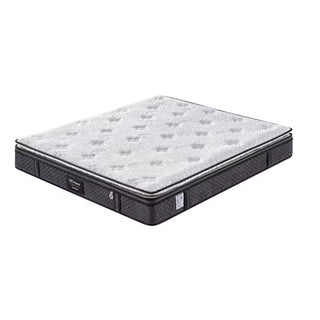
Roll-packed delivery matters more here than in any other property type, for the staircase reason above. Beyond that, pocket springs and a cooling top layer address the two complaints that dominate hotel reviews: partner movement and overheating.
Linen runs at three sets per bed — one on, one in the wash, one on the shelf. At twelve keys that is thirty-six sets, and the temptation to run at two is exactly the false economy that turns a late laundry collection into an unsellable room.
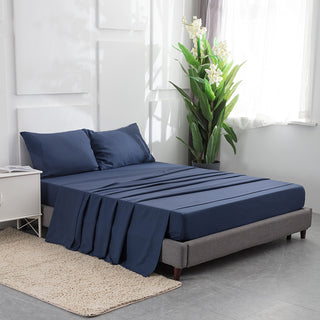
Our guide to hotel supplies covers par levels, laundry sizing and the in-room kit in more depth, including where in-house laundry starts to make sense.
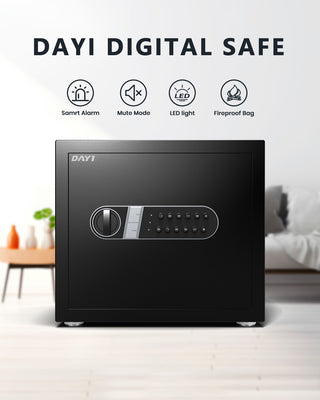
In-room, the list is short and the standard is high. A safe is expected and only noticed when it is missing or broken, so buy one with a management override and fix it to the structure.
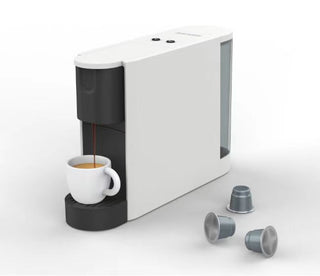
Coffee in the room is the amenity that punches above its cost in a property this size — it signals the whole positioning for the price of a small appliance and a monthly capsule order.
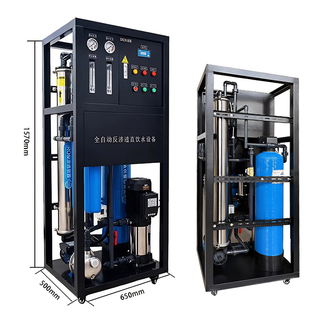
Water treatment is a property-level purchase that protects everything downstream. In a hard-water area it is the difference between kettles, showers and coffee machines lasting years or lasting months.
The hotel range covers the guest-room and back-of-house lists together if you are pricing a floor at a time.
Housekeeping at a size that has no slack
A twelve-key property has no relief staff. One housekeeper off sick is 100% of the housekeeping team, and this single fact shapes more of the operation than the equipment does.
The practical responses are unglamorous. Standardize everything the guest does not see — the same bedding across all rooms even when the beds differ, the same amenity set, the same cleaning chemicals — so that anyone can cover any room without a briefing. Keep the variance where it is sold and remove it everywhere else.
Then automate the surfaces that do not need judgment. Corridors, stairs and the lobby are repetitive work that a machine can do overnight while nobody is standing behind it.

Also worth planning: where the linen goes. A converted building rarely has a linen room, and a housekeeping trolley that cannot fit through a period doorway is a discovery best made before the fit-out rather than on week one. The housekeeping range covers the trolley-and-cleaning side.
How do you price a boutique hotel's rooms?
Not by grade, which is what chain systems assume, but by what each room actually is. A twelve-key property with five effective price points is normal, and a rate card with two grades is usually hiding something the guest will discover on arrival.
Start from the best room and work down. The room with the view sets the ceiling, and every other room is priced by how far it sits from that experience — not by square meters, which is the metric that misleads most. A small room with a window seat outsells a larger dark one at the same rate, every time.
Seasonality does more work here than in a chain. A twelve-key hotel can sell out on a single wedding, a local festival or a Tuesday conference, so the rate has to move faster and further than a large property's would. That argues for a channel manager and a willingness to use it, rather than a fixed card printed once a year.
The other lever is length of stay. Turnover is the expensive part of a small property — the housekeeping cost of a two-night guest is barely different from a one-night guest, and the revenue is double. Minimum stays at weekends and a discount that starts at three nights change the labor arithmetic more than the rate does.
And one structural caution: direct booking matters more at this size than at any other. Commission on twelve rooms is a meaningful share of a small margin, and a property whose whole appeal is individuality has the best possible case for guests booking it by name.
Breakfast, bar, or neither?
Food and drink is where boutique hotels most often lose money while believing they are adding value.
A full restaurant at twelve keys does not fill on hotel guests alone. It has to attract the street, which means it is a restaurant business that happens to have rooms above it — a different undertaking, different staffing, and a different licence.
Breakfast alone is the usual answer, and it works when it is deliberately small: a serve-yourself counter, good coffee, bought-in pastry from a local bakery. What guests remember is the coffee and whether the bread was fresh, neither of which requires a kitchen brigade.
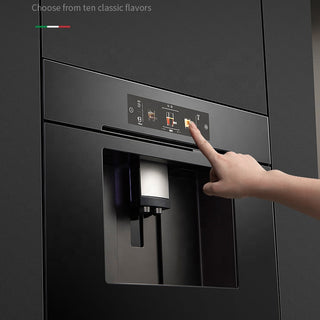
A machine that drops into the counter and produces the same flat white without a barista is the right tool for a property with no dedicated F&B staff. Consistency at seven in the morning beats craft nobody is there to provide.
An honesty bar in the lounge is the other high-return, low-cost option: a fridge, a price list, a tab on the room. It works at this scale precisely because guests are few enough to trust and because it needs nobody standing behind it. Check the licensing implications locally, because unattended alcohol service is treated differently across markets. The lounge and wellness and dining ranges cover the common-area side.
Who actually runs a twelve-key hotel?
The staffing model is the part of this format that outsiders get most wrong. Twelve keys cannot carry a night manager, a receptionist on every shift and a maintenance person, which means the property is either owner-operated or it runs on automation and trust.
Most work as some version of the following: an owner or manager present through the day, housekeeping in the morning, and nobody on site overnight. That last part is only possible with a keyless entry system, clear instructions sent before arrival, and a phone number that a real person answers. Guests accept an unstaffed night in a small property in a way they never would in a large one — provided nothing about it feels improvised.
Check-in is where the format wins or loses. A chain gives a guest a desk and a queue; a twelve-key hotel can give them somebody who knows their name and where to eat that evening. That is the whole premium, and it is a staffing decision rather than a fit-out one.
One more staffing reality: cover. A single owner-operator cannot take a holiday without either closing or training somebody to run the whole property, and the properties that survive their third year are the ones that solved this deliberately in year one rather than discovering it during an illness.
Maintenance is the other quiet cost. Old buildings break, and a property this size has no in-house engineer, so a relationship with a local plumber and electrician who answer the phone is worth more than any piece of equipment. Budget for it as an operating line rather than treating each failure as a surprise.
The approvals, in the order they actually happen
A boutique hotel is licensed as accommodation, which is a different regime from a bar or restaurant — and in a conversion, the sequence matters as much as the list, because each step gates the next.
- Planning or zoning first. Confirm the building may be used as short-term accommodation before anything else. In the UK this is change-of-use permission; in the US lodging is often conditional in residential zones and may need a hearing; in Australia it is usually a development application. This is the step that can end the project, so it goes first.
- Heritage consent, if the fabric is protected. Separate from planning, and slower. Windows, wiring routes, fire doors and signage all come through here.
- Design fire safety around sleeping guests. This is the discipline that separates hotels from every other venue. The UK works to the Regulatory Reform (Fire Safety) Order 2005 with a named responsible person and a documented risk assessment; the US to NFPA 101 signed off by the local fire marshal; Australia to AS 3745 for evacuation planning and AS 2293 for emergency lighting and exit signs. Fire strategy shapes the floor plan, so it belongs at design stage rather than at inspection.
- Building control and occupancy. Structural, accessibility and services sign-off, ending in the certificate that lets you occupy.
- Food and alcohol, only if you serve them. Food-business registration where breakfast is served — 28 days ahead in the UK, council notification in Australia, a health-department permit in the US. Alcohol is a separate licence everywhere and worth deciding early, since an honesty bar is still a licensable activity in many jurisdictions.
- The small recurring ones. Music licensing for public areas, television licensing where it applies, and in Dubai a hotel classification by the Department of Economy and Tourism plus the per-room-night Tourism Dirham. These rarely delay opening but they do get missed.
Treat all of that as an overview rather than legal advice, and confirm the detail with your local planning and licensing authorities — approvals, fees and fire standards differ by council, state and emirate. The thread everywhere: planning and fire gate your opening date far more than any equipment order does.
The things you cannot repaint
Most opening mistakes in hospitality are fixable with money later. In a converted building, a handful are not, and they are worth naming.
Bathroom positions are the first. Once soil pipes are routed, moving a bathroom is a structural job, and the rooms where the bathroom ended up in the wrong corner are the rooms that photograph badly for the life of the hotel.
Sound transfer is the second and the most underestimated. Floors between converted flats were never built to hotel standards, and a guest who can hear the room above will say so in public. Acoustic treatment during the build is a fraction of the cost of the alternative, which is discounting that room forever.
Third is the accessible room. Retrofitting level access, door widths and a wet room into a finished building is close to impossible in many period properties, and skipping it entirely closes a market and, in some jurisdictions, creates a legal exposure.
Fourth is hot water capacity. It is invisible at handover, because handover is not eight in the morning with twelve showers running.
And fifth, the one nobody calls a mistake: too much variance behind the scenes. Rooms that differ in ways guests can see are the product. Rooms that differ in ways only housekeeping can see are a tax you pay every single day.
If you are building the wider property rather than the small one, our guide to opening a hotel covers what changes when the key count justifies real back of house.
Fitting out a building that was never a hotel? Send us the room count, the floor plan quirks and whether there is a lift, and we will work out what to buy twelve times and what to buy once.


