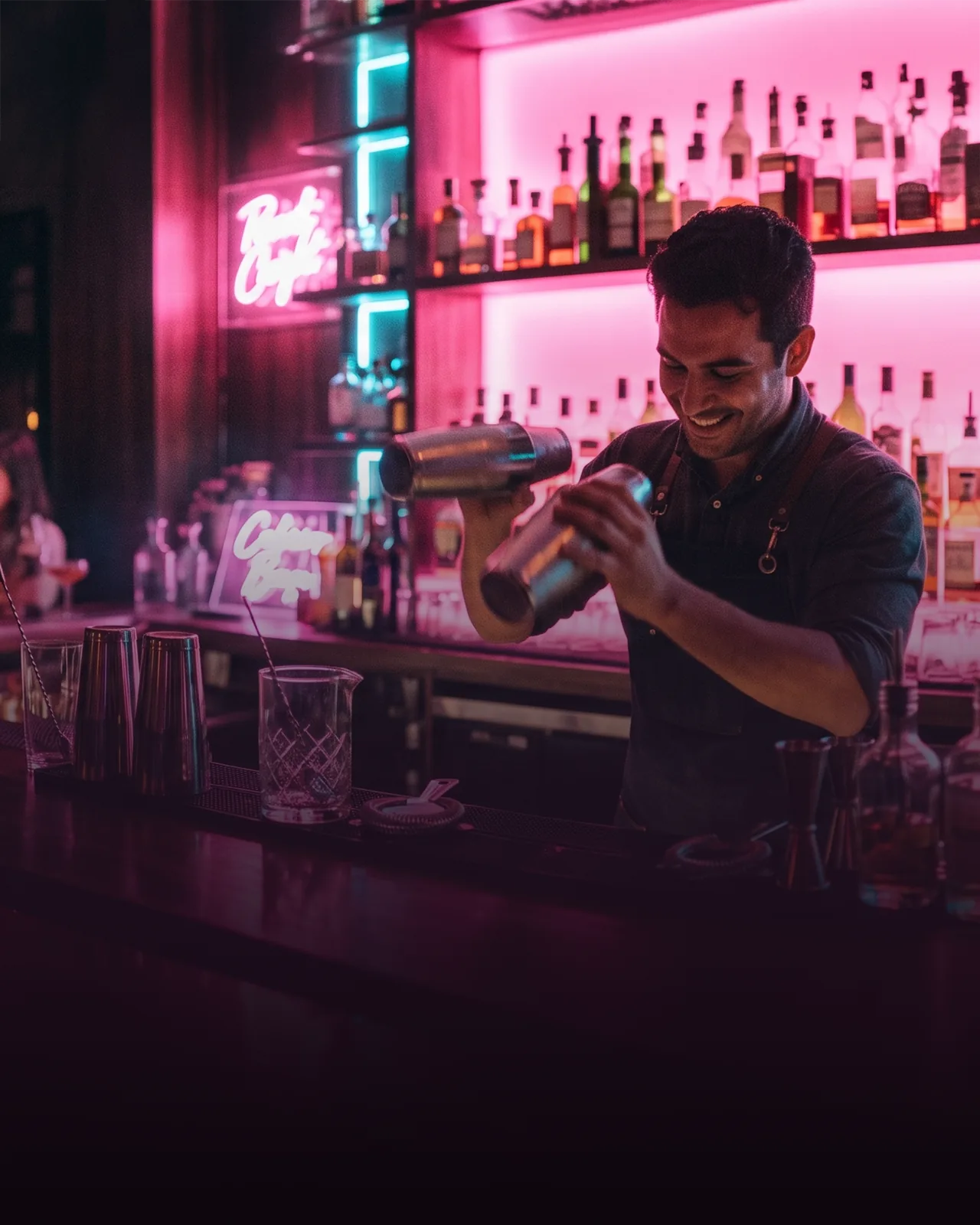


Taproom and craft beer bar equipment built around the line: kegerators and dispensing, cold storage sized for a rotating tap list, and the glasswashing that decides whether a head survives.
A taproom lives or dies on what happens between the keg and the glass. This setup follows the beer: cold keg storage, dispense with enough lines to run a rotating list, glass that comes back clean and clear, and a short kitchen for the food that keeps people through a second round.
Quantities assume a 60-seat room with six to eight taps. If you are building past twenty taps, the dispense side changes shape — tell us the tap count and the run length from cellar to bar, and we quote the cooling that goes with it.
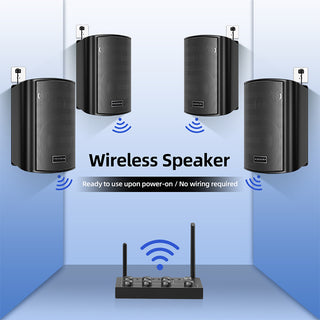
6.5-inch speaker for LS-02 black
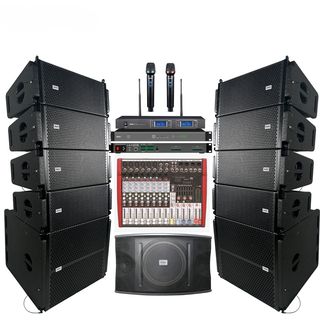
Fifty watts a side on one wireless zone: enough to fill a taproom without anyone shouting an order over it. A taproom is a talking room first.
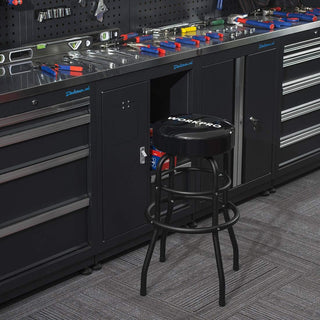
28cm black
Forty-six centimetres carries six full pints without a second trip, and the rubber face is what stops them sliding on a floor that is wet by nine.
Black Curved grille light -6W / 3000K
Warm, accurate light on the tap wall and on the glass in the hand, on a rail that re-aims without an electrician. A hazy beer only looks like one under decent light.
Seventy-six centimetres sits right at the rail, and the wipe-clean seat resets between rounds. The rail is where a taproom's second pint gets ordered, so seating on it is not optional.
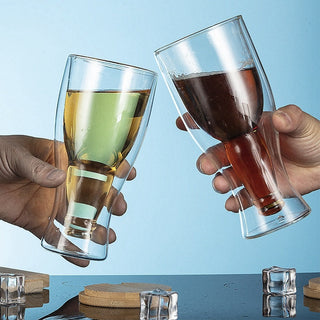
A / 250mL
The wall keeps a third of a pint at temperature for the ten minutes a flight of four actually takes to work through.
Square Table
Tables and cross-back chairs for the half of the room that sits down. A taproom needs both: the rail for drinkers, tables for the ones who came to eat as well.
Booths along the wall, which is where groups settle in for a session.
For the taproom that runs beer pong as a draw rather than tolerating it. The glass top wipes down between rounds and the printed deck can carry the brewery's mark.
Gold
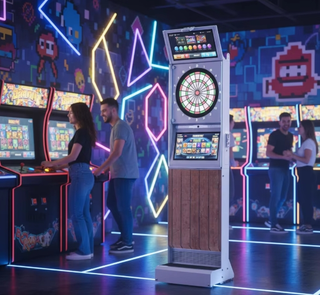
Eight players on soft-tip keep a table occupied and drinking between legs. It earns its floor space in a taproom that trades on regulars through the week.
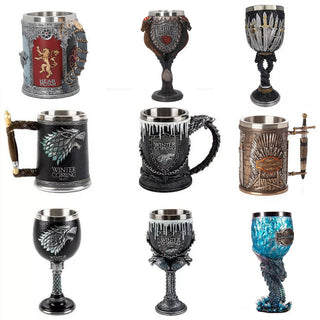
Iron Throne Goblet
A rotating tap list is the draw here, not novelty tankards — but if a saison or a strong ale earns its own themed serve, the 600 ml stainless goblet survives the tile floor and the wash-up rack that would break a glass equivalent.
Simple square shape
For festival stands and launch nights: tie a capsule win to a pour and it pulls a crowd around the tap list. Pure theatre, and only if the taproom runs events.
A quiet Tuesday needs a reason to stay for a third glass. Set a target, start the count, and one table becomes something the rest of the room watches.
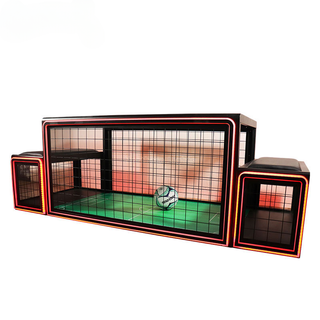
A two-player table gives groups a reason to stay for a third round instead of drifting off after the second. At 200 x 140 cm it wants a corner the seating plan can spare, so it suits a taproom that runs on lingering rather than one that turns tables.
A cocktail-table cabinet doubles as a drinks surface between rounds, so the corner it fills keeps earning while two players work through a second beer. It's floor theatre a taproom can run or skip — the room trades fine without it.
Single-head
A litre on the table lets a booth pour its own round instead of queuing. A cheap upsell on party nights, and brandable if the room runs themed evenings.
P-400U
Full-range sound for the nights the bar runs a band or a quiz.
Standard Android POS software on a dual screen with the printer built in, which keeps tap lists and prices yours to change on the morning a keg runs out.
Direct Cooling · 12 kegs / 10 taps
The whole taproom runs through this. An air-cooled circuit holds keg temperature from the first pour to the last, so a rotating six-to-eight-tap list arrives cold and clear all night, and it configures up to fourteen when the list grows.
The packaged range sells itself next to the tap list when it is lit and in the guest's eyeline, which is most of why cans are worth stocking at all.
100 kg/24hours
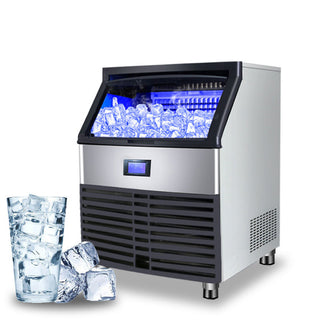
Even a beer bar pours spirits, and a bar that has run out of ice sends people next door for the second round.
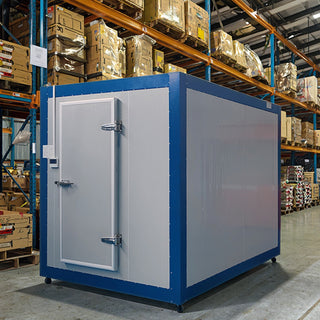
Kegs by the case at the temperature the beer was brewed to be drunk at. A sixty-seat room survives its first weeks on undercounter fridges; the month the tap list starts rotating is the month they stop coping.
4 Taps / Stainless Steel
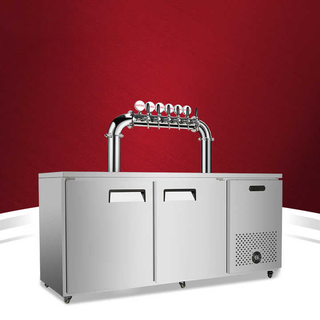
This is the taproom — the keg cellar and the taps in one cabinet, holding beer at 3–7°C so the pour is right from open to close. Spec the 8-tap build to run a rotating list without pulling a keg mid-service to make room.
The ice bank holds a bath of chilled water around the coils, so the first pour after doors open is as cold as the last one before close. Match the coil count to the length of the tap list.
6 TAP
A T-style tower on the counter for the rotating taps, where the guest can read what is on.
On a rotating tap wall the faucets come off for cleaning constantly, so ten spares keep the line in service while the others are soaking.
Faucet only
Nitro faucets for stout and nitro pours, which need a restrictor plate rather than a normal spout.
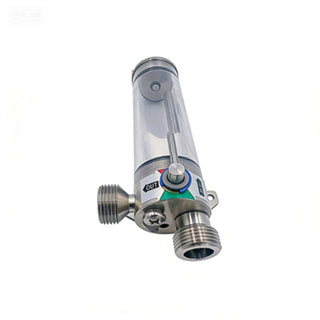
Without them a keg change costs a pint of beer in every line, and across a long run that is most of a case a week.
Growler filling under CO2, so the takeaway pours flat-free and the bar sells beer after close.
A counter-pressure filling tap for crowlers and bottles to go.
2-Group
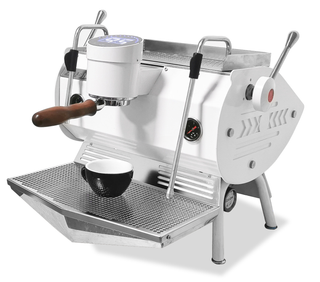
Coffee for the afternoon trade and for the people who came with the drinkers. A beer bar that is open at three is a café with taps until six.
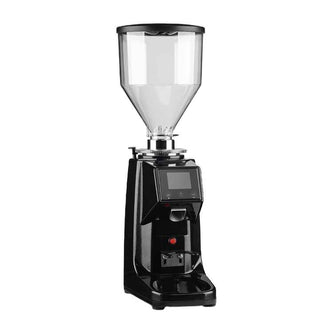
A taproom pours espresso at the end of a session and at Sunday lunch, and beans left ground for a week taste of the room they were stored in.
A pour station for the corners the main bar cannot reach: a beer garden, a private hire, a festival stretch. Most taprooms open without it and add it if the format leans that way.
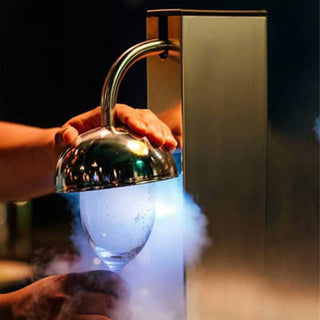
Frosts a glass in seconds off a CO2 line instead of holding freezer shelves for stacked pints. Worth it if frosted glassware is part of the pitch — a hazy IPA does not want one.
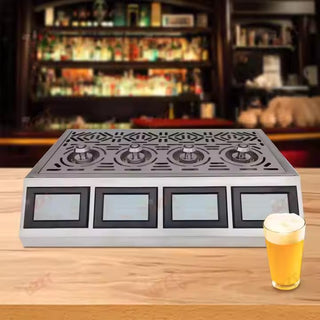
4 glasses dispenser
Fills through the base of the cup in seconds. It exists for the ninety-second queue at a match or a festival, not for a taproom's normal table service.
16 Oz Glasses (50 pc.)
The dispenser fills nothing without these — the valve sits in the cup, not in the machine. Glass keeps a bottoms-up pour looking like a pour when it is handed across the bar.
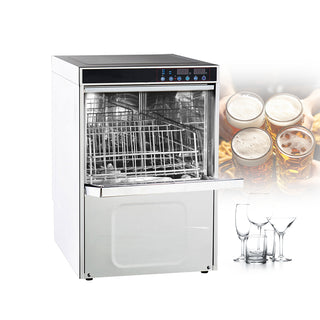
Glass out of a dedicated glasswasher pours a head; glass out of a kitchen machine usually does not, and thirty baskets an hour keeps up with a full room.
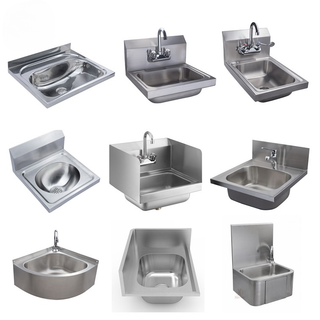
This is the fixture most often missing at a first inspection, and the bar, the kitchen and the wash-up each need their own.
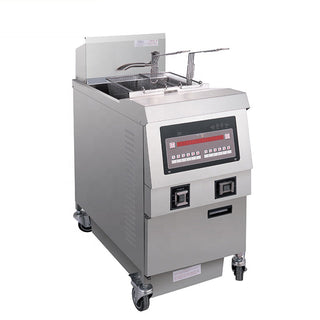
Two 25-liter wells, gas or electric — fries in one, everything else in the other, so the oil does not carry flavor across the menu.
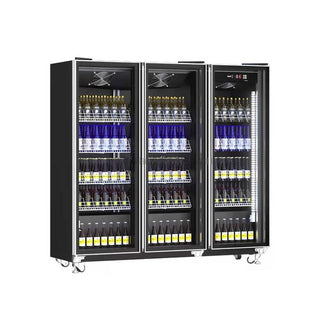
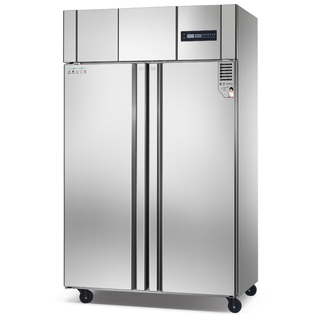
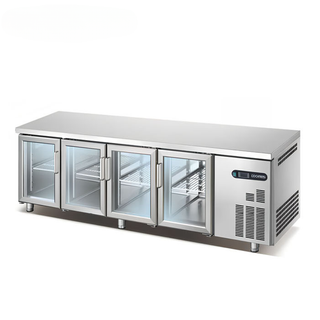
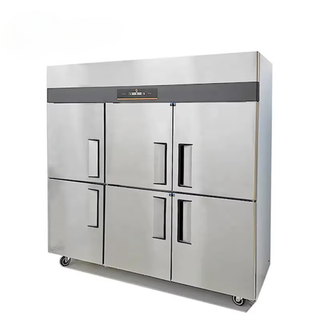
Double-door back stock for kegs in rotation, kitchen prep and everything that should not be taking up a display door.
CP-CB36-HD
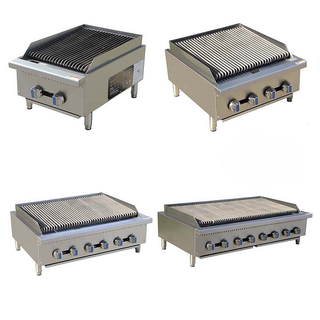
Countertop char grill for burgers, wings and skewers. Heavy-duty grates hold heat through a rush instead of dropping after the third order.
Stainless Steel 304
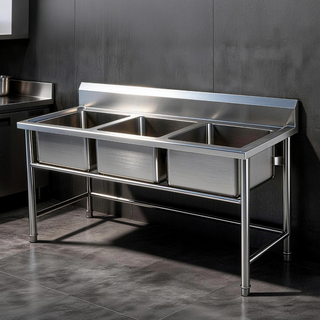
Line parts, keg couplers and the kitchen's pots all wash here, and none of them fits a machine.
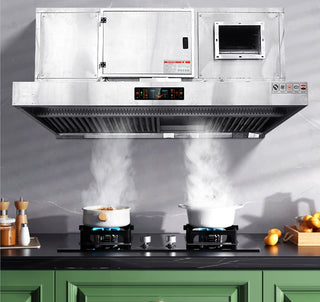
Whatever the fryer and the grill produce has to leave the room, and at 6000 m3/h it does. This is a licensing item long before it is a comfort one.
Air cooling
Boards, pickles and toppings sit under the lid the cook is already working on, which is the entire cold side of a taproom kitchen.
Frozen stock behind a kitchen that sends food all evening and cooks almost none of it to order — fries, buns, and the chilli batched on a quiet day.
Food waste ground at the sink instead of bagged behind the bar. A beer bar's bin sits within a metre of the guests, and wet waste is what people smell before they see.
1000W
For the reheats a taproom kitchen actually runs — a sausage, a pretzel, a portion of chilli back up to serving heat — so the grill stays free for the orders that need it.
A 50 L system in the corner of the room. A beer bar that brews one house beer stops being a beer bar and becomes a brewpub.
Slicer for charcuterie boards — the food a beer bar can serve without a chef.
1 deck Electric Pizza oven (6*12inch pizza per deck)
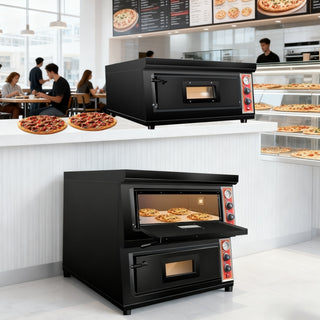
A deck oven for pizza, the food that pairs with beer and does not need a brigade.
40 ton
A rotating tap list arrives in boxes every single week, and a yard full of flattened cardboard is what a collection schedule cannot keep up with.
40*60cm (15.75*23.62in)
A rotating list changes weekly, and printed panels swap from the front of the frame, so the board stays current instead of being three beers out of date.
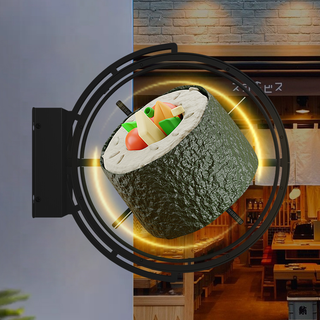
Taprooms live in railway arches and industrial units, so the sign does the work a high street would otherwise do — at the door and at the yard entrance both.
The mouth of the yard has no power and is where people decide whether the arch behind it is open, so the sign standing there has to charge itself.
Above the tap wall is the wall every photograph taken in the room ends up including, and neon cut to the brewery's mark is what identifies it.
Double Sided / Rechargeable
What came on tap today goes on the board outside, which for a rotating list is the only sign worth the trouble of changing.
1-Color / Standard Optics 15°
A weatherproof logo projector for the pavement and the beer garden wall. A taproom's outdoor space is usually unlit brick, and this is the cheapest way to make it look intentional after dark.
1-Color
A projector ships blank, so this is the part that puts a logo on the arch wall instead of a circle of light.
Floats this week's tap list over the bar, where a chalkboard disappears in a full room. Theatre a taproom can run or skip.
A projector for match nights, folded away the rest of the week.
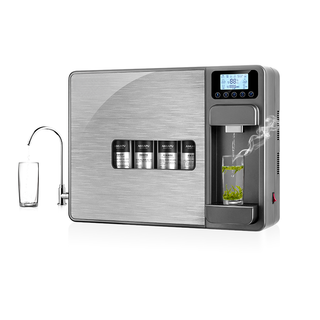
Filtered water for the ice and, more to the point, for rinsing lines. Cleaning water carries whatever the mains carries straight into the next pour.
Beer glass is a house decision — pints, tulips, stems and the branded ware your breweries send you. We stock forms across the range, we just do not put them in the setup: tell us what the list pours into and we price it with the rest of the order.
Catalog prices at the quantities listed, excluding shipping, duties and installation. Send a request and we confirm current pricing and lead times for your build.
Request received
We are pricing the setup now and will come back with a quote and lead times, usually within one business day.
That did not go through
Something broke on the way to us. Try again, or write to sales@barequip.pro and we will pick it up from there.