

Wine bar equipment for a list sold by the glass. Argon dispensing keeps an opened bottle sellable for weeks, dual-zone refrigeration holds reds and whites apart, and the wash-up is sized for thin stems.
A by-the-glass wine bar, built around the machine the format actually depends on: a dispenser that keeps an open bottle sellable. Everything upstream of it — storage, chilling, glass care — is there to protect the same thing, which is wine that still tastes like the label says it should.
Quantities assume a 45-seat room with a four-meter counter and a list of roughly forty references. Glassware is picked separately once the list is set. Send the list and the floor plan and we adjust the counts before quoting.
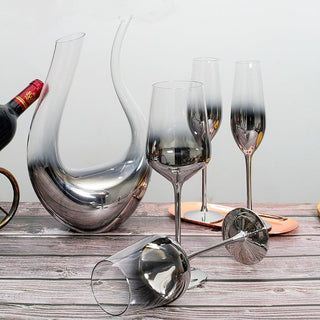
Champagne glass
The wide bowl and clear crystal are what let a guest read the color and swirl a by-the-glass pour before the first sip — the whole room sells on that. Matching flute and decanter keep the champagne and the pricier bottles on the same visual language across the counter.
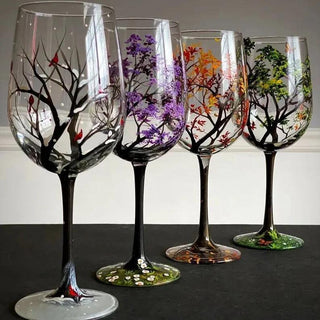
Summer
On a wine list the glass is half of what the guest is paying for, and a thin bowl is the half that shows.
S
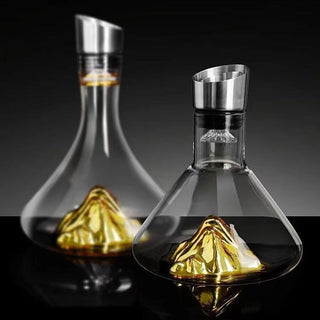
A wine bar that cannot open a young red an hour early is selling it at its worst, and the decanter is what buys that hour.
Square Table
This is a seated room, and the seat is what keeps the second bottle coming.
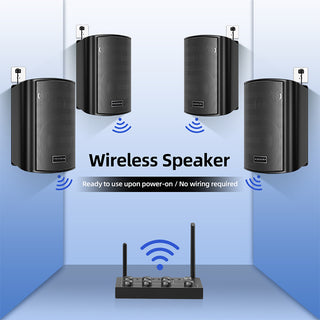
6.5-inch speaker for LS-02 white
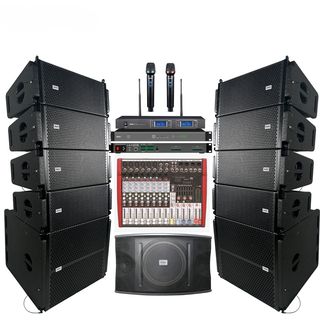
Loud enough to fill the pauses and quiet enough to hold a conversation about a wine list, wired as one zone.
28cm black
Forty-six centimetres carries a full round of stems without a second trip, and the rubber face is what stops half-full glasses sliding on a turn.
White / Short
The counter is where a wine bar sells — a guest who lingers over a second glass at the bar is the format working as intended, and a wipe-clean seat survives the spilled reds that come with it. Pick the tall model to match the four-meter counter.
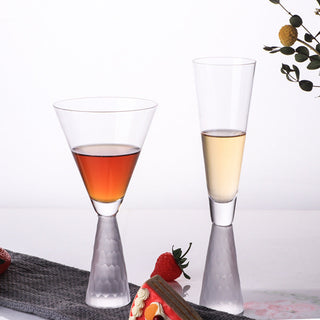
High Red Wine Glass
A second glass shape, so whites and reds are not poured into the same bowl all night.
Iceberg 1800ml
A second decanter style for the by-the-bottle service. Two shapes on the back bar means the table that ordered a bottle gets something different from the table drinking by the glass.
White
Slant plates for the cheese and charcuterie boards. The angle presents a board to a seated guest instead of laying it flat where only the person opposite can see it.
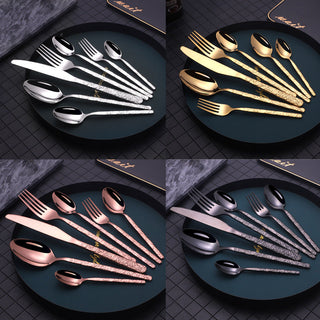
Black / 7 PCS
Cutlery with weight, for the plates that come with the wine.
Banquette seating along the wall for the longer tables. A wine bar's bottle sales happen at tables of four and up, and those need a wall run rather than chairs pulled together.
Silver
Wine gets read by the glass in low light, and a cordless dimmable lamp is how that light reaches the table.
Wine reads by colour as much as by label, and flat ceiling light takes that away.
Banquettes turn the perimeter into fixed covers. In a wine bar the booth is where a table of four orders a bottle instead of two glasses.
420 ml - 7 PCS Set
A gold-foil crystal set for the tasting flight a guest orders to make an occasion of it. The decanter opens a heavier red and gives the table a reason to slow down; the list runs fine on plain stemware, so this belongs to the top of the range.
Big Cup
A novelty serve for a bar that runs bottled cocktails or wants a photographable table trick — nothing a by-the-glass room needs to trade, and it sidesteps the stemware the wine on this list is actually poured into.
At 2700K it flatters what's in the glass — reds read deep, whites read golden — and the shapeable line runs the length of a four-meter counter without a row of downlights glaring off the bottles.
P-400U
Fuller sound for the evenings the room runs a tasting or a set.
Scent management through the HVAC — in a room built on aroma, the ambient smell matters.
Till, printer and card terminal in one body. A wine bar's bill grows one glass at a time, so the till has to be quick to add to and open all evening.
This is the machine the whole format sells around: argon over each of four open bottles means a €90 reference pours by the glass for days instead of going down the drain after one night. Take it out and every by-the-glass pour is a bet against oxidation you lose within hours.
Eight bottles per unit with its own refrigeration and nitrogen. This is the wall for the premium end of the list, where the write-off on an unfinished bottle is the whole margin of the glass.
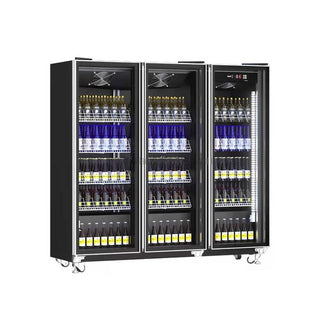
Holds the by-the-glass bottles at serving temperature behind glass, so the list sells itself while a guest reads it — and the ice bar chills the whites the moment they're poured. The by-the-glass machine keeps an open bottle alive; this keeps the closed ones ready.
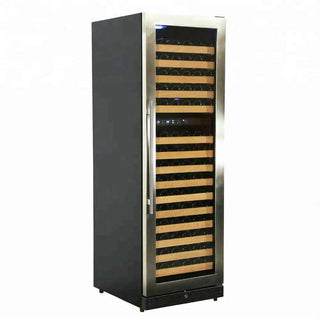
A hundred and sixty-six bottles at two temperatures. Behind a wine bar, storage capacity is the list.
A wine bar chills bottles more than it ices glasses, so the 15 kg bin covers the sparkling on ice and the occasional spritz without a dedicated run to the freezer. The room trades without it, but the first warm afternoon of rosé is when you wish it were already installed.
Back-bar cooler for mixers, beer and the bottles being chilled for the next round.
Straight Front / 120cm Floor Model
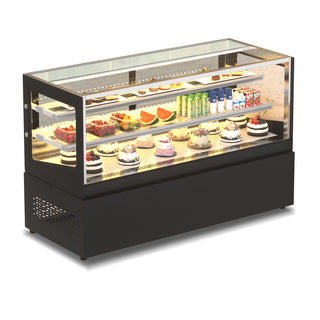
The counter sells the board and a closed fridge does not, which is the whole reason cheese and cured meat sit behind glass here.
A cordless chiller for the table where a bottle sale runs long — a terrace two-top or a suite service the counter can't reach. Holds serving temperature for a full evening without a plug, so a warm second glass never sends the bottle back.
Black
Four more taps under argon, which is how a by-the-glass list gets long enough to be interesting.
Aerator dispensers on the counter, for the pours that need air and cannot wait for a decanter.
Freestanding racks that put bottles and stemware out on the floor. A wine bar's list is browsed by walking past it, and a rack a guest can reach is what turns a glass order into a bottle one.
Shelf with end panel and cabinet • 240x20x295
Bottles on show are the menu in a room like this, and the wall rack is where a guest reads it from.
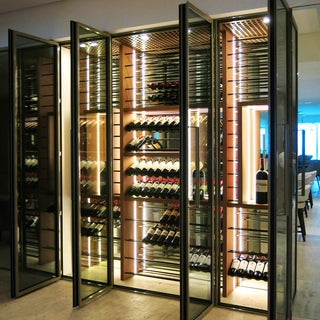
A built-in wine wall to your dimensions — the feature the room is designed around.
2-Group
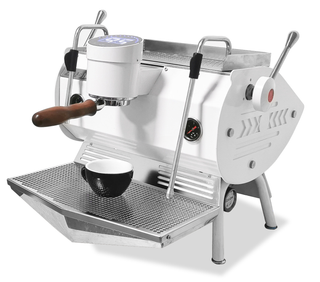
A wine bar serving food and no coffee ends the table half an hour early, and that half hour is the dessert and the digestif.
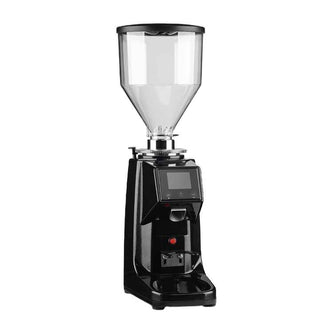
Few coffees get sold here, and that is exactly why a stale pre-ground one gets noticed when it happens.
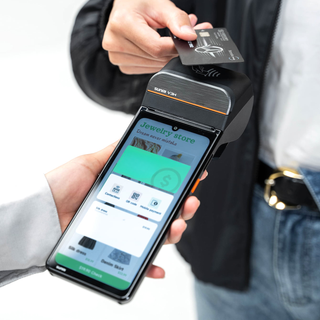
Handheld terminals so a table is closed at the table. In a room selling by the glass, the bill is opened and closed several times a night.
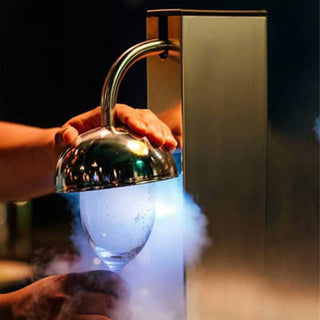
Frosts a glass in seconds with a CO2 blast, so a chilled Champagne flute or a cold white goes out without holding freezer space behind a four-meter counter. Worth it only if the list leans on styles that live or die by serving temperature at the glass.
Sliver
A −20°C shot chiller for the frozen-spirit end of the list — vodka, tequila — that a wine bar runs only if it pours shots alongside the glasses. The by-the-glass wine itself belongs in the preservation dispenser, not here.
Black • Wine
Half of it is a humidor, which only matters if the list comes with a cigar menu — a specialty, not part of pouring wine. The wine zone holds a working temperature across the 5–22°C range, so a room that wants a branded display piece behind the counter has one, but the by-the-glass service does not depend on it.
A two-bottle countertop unit for the one or two references poured warmer than the main fridge holds — a lighter red at 16°C, say — without giving up a whole shelf to them. Vibration-free, so it can sit on the back-bar in guest view.
A wine bar pours a handful of espressos a night, and the alternative is a bin of wet grounds standing next to the glassware.
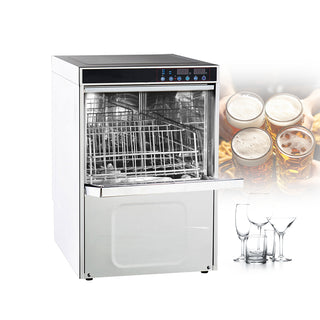
Thirty baskets an hour keeps a full room in clean stems without buying a second set of glassware.
1000W
A wine bar's food is charcuterie and a warm bowl of olives rather than a cooked line, so this earns space only where a small hot snack runs. The compact 1000 W box reheats without taking counter the glasses need.
Stainless Steel 304
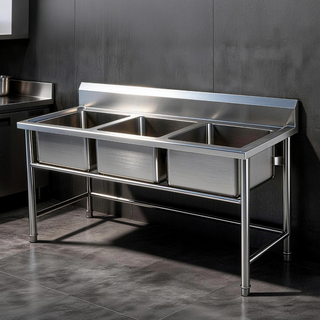
Charcuterie boards and cheese knives go through the same wash, rinse and sanitise sequence a full kitchen does, in a kitchen that is really a corner.
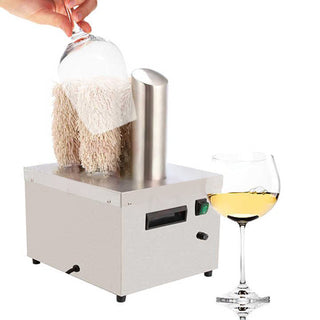
Polisher for the stems coming out of the machine. Water spots on a wine glass are the one detail every guest notices and nobody mentions.
Charcuterie is the food a wine bar can serve properly without a chef on the line, and the slicer is all it takes.
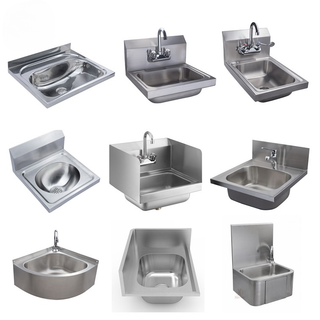
Hand sinks behind the bar and in the prep area. The same person opens bottles, handles cheese and takes payment, and the sink count is there to break that sequence up.
A frozen slicer earns its place only if the counter runs a charcuterie board thicker than a pre-sliced pack allows — a whole muscle cut to order, thin enough to melt on the plate next to the glass. Skip it if the food offer stops at cheese and olives.
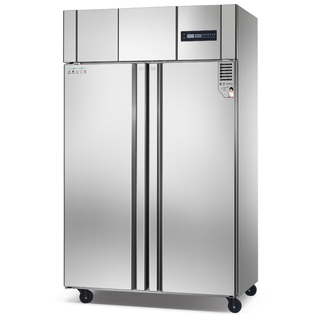
The small kitchen behind a wine bar runs on charcuterie, cheese and a few warm plates — this holds the boards, butter and prep cold without needing a walk-in. The two doors let you reach the garnish tray without warming the whole cabinet during a busy pour.
Air cooling
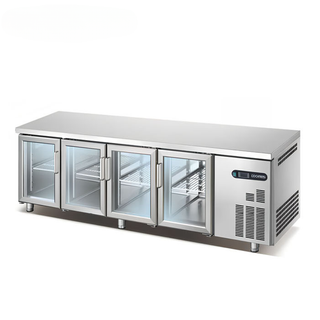
Cheese is served at room temperature but stored cold, so the bench it comes out onto has to be the fridge as well.
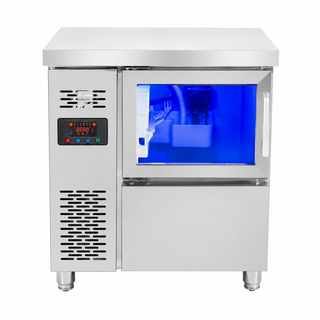
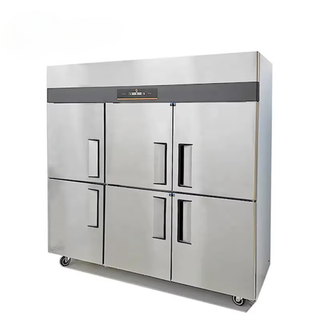
Freezer storage behind a small kitchen: bread, batched stock, and the ice a wine bar rarely needs until it suddenly does.
Food waste ground at the sink instead of bagged. A wine bar's waste is rind, stones and citrus — small in volume, quick to smell, and the bin sits within reach of the guests.
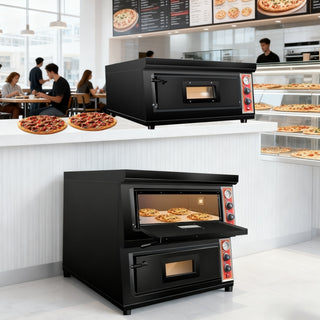
1 deck Electric Pizza oven (6*12inch pizza per deck)
A deck oven for flatbreads and warm plates, which extends the food menu without a brigade.
Wine bars sit on quiet streets by choice, and the sign is what gets them found.
For a bar found on foot the corner is the shopfront, and a self-charging board can stand on a street with no power run to it.
In a room lit to show wine rather than walls, it is the only thing that photographs.
Double Sided / Rechargeable
The glasses open today go on the board outside, which for a by-the-glass room changes with every bottle that finishes.
1-Color
Without the slide there is a lit circle on the pavement and nothing to read in it.
1-Color / Standard Optics 15°
Throws the name onto the pavement or the wall beside the door, IP65-rated for a facade left out in the weather. A wine bar trades on its list rather than its logo, so this belongs to a room that wants a signature at the entrance.
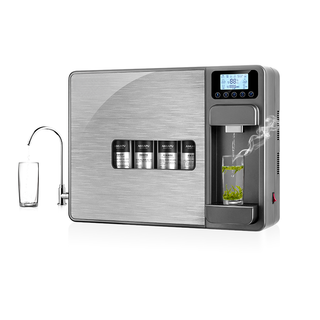
Filtered water into the glasswasher and the ice maker. Hard water dries as a film on a thin bowl, and a film is visible on a glass a guest is about to put their nose in.
A wine list dictates the glass, not the other way round — Bordeaux, Burgundy, flute and coupe all pour differently, and the shapes you need follow the references you buy. We stock them; pick the forms yourself and we price them with the rest of the order.
Catalog prices at the quantities listed, excluding shipping, duties and installation. Send a request and we confirm current pricing and lead times for your build.
Request received
We are pricing the setup now and will come back with a quote and lead times, usually within one business day.
That did not go through
Something broke on the way to us. Try again, or write to sales@barequip.pro and we will pick it up from there.