

Bakery and patisserie equipment from the dough end to the display: deck and convection baking under extraction, mixing and proving, blast chilling for laminated work, and refrigerated display that holds a filled cake all day.
A production bakery with a shop at the front: dough mixed and proofed overnight, baked in the early hours, sold across a counter that also pours coffee. The setup follows that order — mixers first, then proofing and ovens, then the cold chain that lets you bake once and sell all day.
Quantities assume a shop producing roughly 400 pieces a day with a small seating area. Tableware and packaging are picked separately, since they carry your branding. Send your floor plan and the production volume, and we adjust the counts before quoting.
A 90-CRI beam aimed at the display case makes a glaze read as glossy rather than grey, and a passer-by either stops for that or walks on. The head re-aims by hand, so the morning laminates and the afternoon celebration cakes each get their own light without an electrician.
Dining Chairs
A patisserie that only sells across the counter gives up the whole afternoon. Twelve sets turns a cake sale into a table for two and a pot of tea.
A divided melamine tray suits a shop running a lunch service or a tasting flight of small pastries — sectioned so a savory bake and a sweet don't bleed into each other, and unbreakable across a self-clearing counter where ceramic chips within a week.
Pink / 63 - 85cm
Along the window and the counter rail is where a single coffee gets drunk in ten minutes, and a patisserie sells a lot of those.
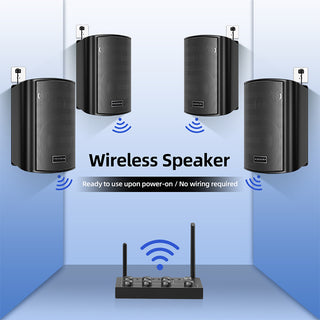
6.5-inch speaker for LS-02 white
People sit over one pastry for half an hour here, so the music has to hold a half-empty room without filling it.
Standard Android POS software on a dual screen with the printer built in, which keeps the daily list yours to change rather than the vendor's.
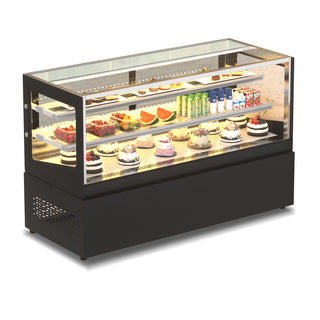
Straight Front / 120cm Floor Model
The cold case for cakes, tarts and desserts, lit and behind glass where the queue can see them.
90 cm
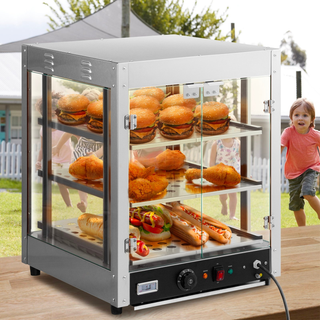
A second heated showcase for a shop with a lunch trade, so the morning pastry and the hot lunch line do not share shelves.
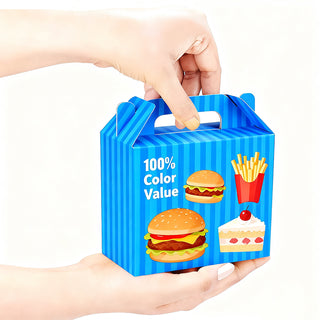
Handle-fitted boxes for the customer who wants a whole quiche or a box of pastries to go — the format that turns a coffee-counter sale into a party order the day before. Only the shops running a takeaway range need it; a sit-in patisserie can open without.
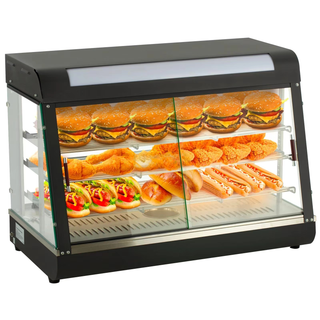
Three heated tiers on the counter for the savory and warm pastry line — the half of the counter that sells before ten in the morning.
2-Group
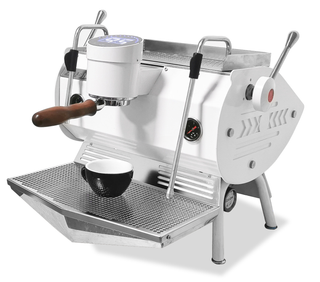
One or two groups, dual boiler — enough for a bakery counter where coffee supports the pastry rather than leading it.
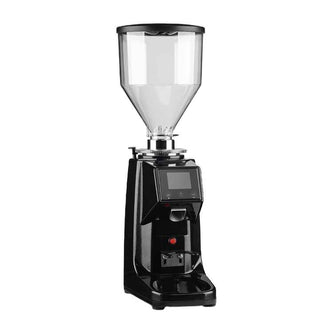
Conical burr grinder on demand, so the coffee next to a good croissant is not the weak link.
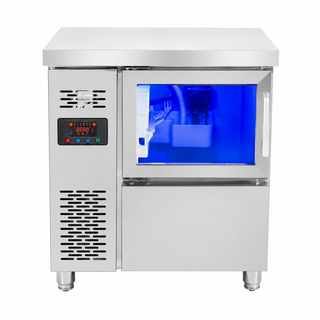
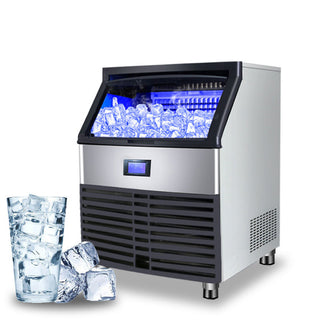
The 15 kg bin covers a counter that pours iced coffee through the summer without a bag-run to the freezer, and slides under the bar where a bakery's floor is already spoken for by mixers.
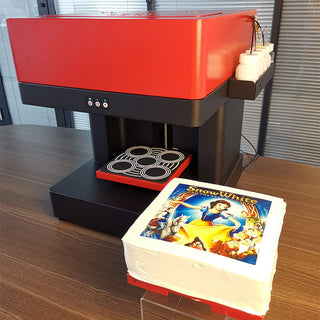
Prints a customer's photo or a seasonal design onto foam and onto the shop's own cookies and macarons, so the same 20 x 20 image serves a branded coffee and a boxed set for a launch or a wedding. Very few patisseries open with one; it belongs to the shops competing on being photographed.
Steamed milk for the coffee side without taking the steam wand away from the shot.
Black / 350ml
Pitchers in two sizes so milk drinks keep moving through the morning.
From November to February it outsells filter coffee here, and holding the chocolate stirred and hot means it pours in one motion instead of being made a pan at a time.
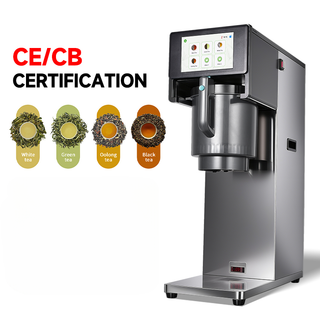
Brewed tea in batch, for the guests who came for the cake rather than the coffee.
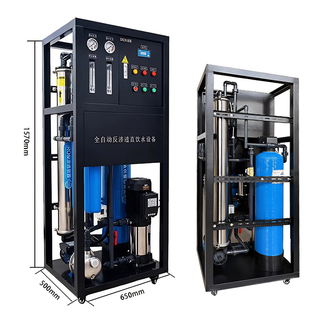
The coffee machine, the ice maker and the steam oven all run off the mains, and scale ends the service life of all three.
A countertop freezer beside the cake display for ice cream and frozen desserts. It gives a patisserie something to sell in August, when nobody wants a hot tart.
A cake box is awkward to carry and easy to tip, so it leaves in a printed tote, which then goes on advertising the shop for a year.
A patisserie sells a coffee with almost every pastry, and the cup is the only branded thing that leaves the shop with it.
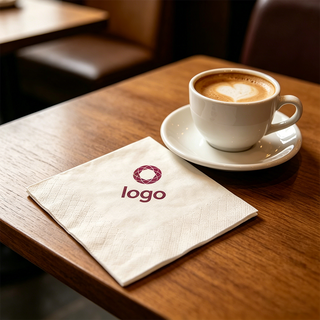
A napkin goes out with every slice, which makes it the piece of print the shop hands over most often and the one that ends up in the photograph of the cake.
Printed boxes for whole cakes and for gift boxes of petits fours. It is the packaging a patisserie gets photographed in, and usually the only branded thing that leaves the shop.
100 kg/24hours
Iced coffee and cold drinks come off the same counter as the pastry. Through summer the cold half of the menu outsells the hot one.
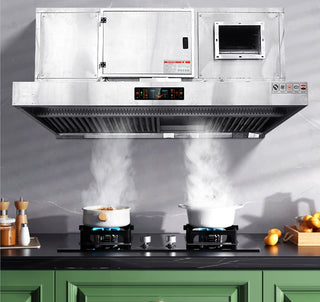
By mid-morning a bakery without extraction is unworkable and usually unlicensed. Six thousand cubic metres an hour over the oven line is what stops that.
20L
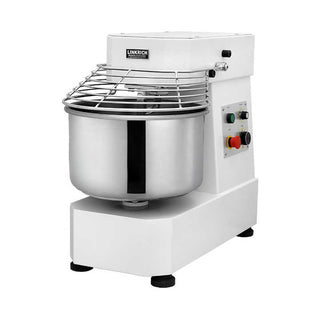
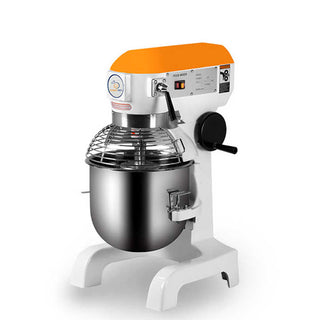
20 to 50 liters of spiral mixing — a spiral hook develops gluten without heating the dough, which a planetary mixer cannot do at bread hydration.
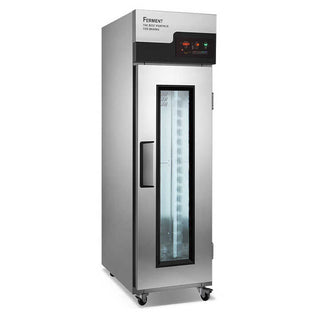
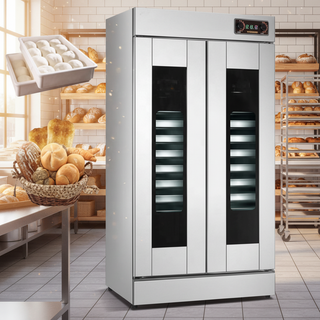
An 18-tray refrigerated proofer: dough is shaped in the evening, held cold overnight and baked to a schedule instead of to whatever the room temperature decided.
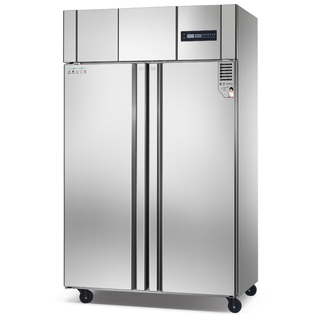
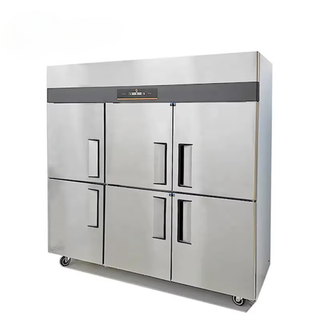
Butter temperature decides more in a bakery than most kitchens admit, and the dairy, the fillings and the day's prep all sit in here waiting on it.
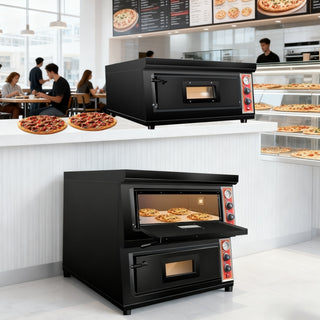
1 deck Electric Pizza oven (6*12inch pizza per deck)
A stone-base deck oven, electric or gas — bottom heat through stone is what gives bread its crust and oven spring. The same deck runs flatbread and focaccia.
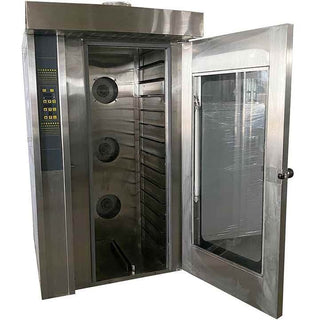
Fan-forced convection for croissants, viennoiserie and trays of pastry that need even color across every shelf.
10L
10, 20 or 30 liters for creams, batters, meringue and fillings. The patisserie side of the room lives on this one.
Stainless Steel 304
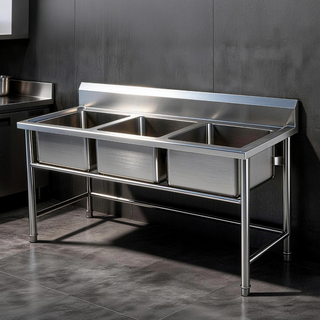
Production runs through this sink: bowls, hooks and trays, none of which fits a machine and all of which need washing between batches.
QT-18
Proving at room temperature means the first bake of the day and the last one come out differently, because the room is not the same at five in the morning as it is at eleven.
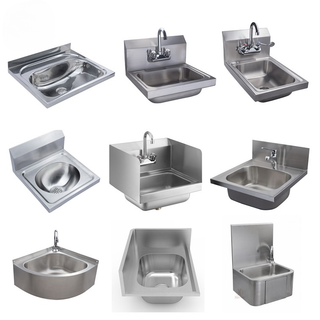
One at the bench, one at the oven, one at the counter and one by the wash-up. In a room that handles cream, nobody should be crossing it to wash their hands.
3 trays
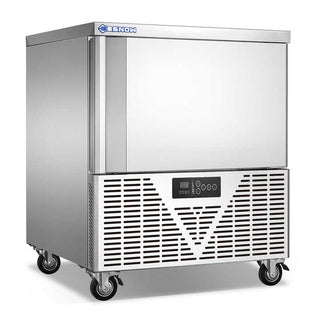
Three, five or ten trays of blast freezing for laminated dough and finished cakes. Fast freezing is what keeps butter layers intact.
Frozen dough, fruit and the stock rotating behind the blast freezer all need somewhere to sit. A blast cabinet pulls temperature down; it is not built to hold it.
Air cooling
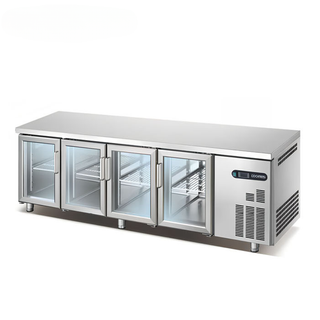
Filling, decorating and assembly happen on the top with the components underneath, so nobody walks to a fridge between trays.
201 Stainless Steel
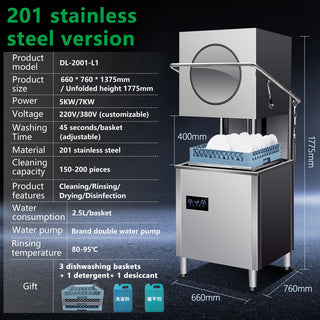
A morning's baking trays, the moulds and the seating area's plates all come back at once, and hand-washing them costs more in labour over a year than the machine costs once.
Dough trimmings, cream and fruit go down the sink instead of into a bin behind the counter. A bakery's waste is wet, and wet waste is what makes a back room smell.
A chain oven bakes trays through in one continuous pass — the step up from a deck oven when the counter empties faster than it fills.
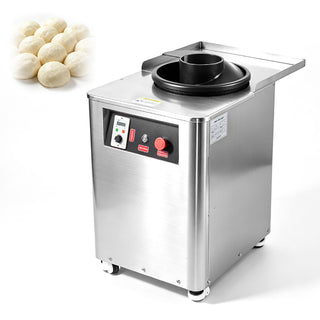
Portions rounded identically from 30 to 500 g, so a tray of buns looks like a product rather than a batch.
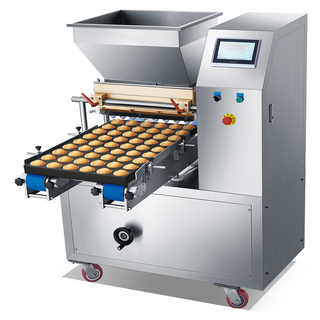
Batter deposited to the gram, so cupcakes rise level and bake in the same time.
Cream and jam injected at a set dose, so a filled pastry stays filled instead of leaking out of the side.
B60B planetary mixer
Depositing for cookies and layered cakes, once one filler stops keeping up with the range.
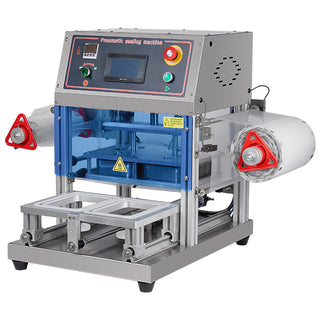
Sealed trays with nitrogen flush for wholesale and click-and-collect — how a bakery grows past its own doors.
40*60cm (15.75*23.62in)
In a bakery the board over the counter is the menu; nothing is handed to anyone at a table. Ten panels hold the cake list, the coffee list and the specials rail that changes daily.
At seven in the morning a bakery is trading in the dark, so the fascia and the plates at the entrance and the window all have to be lit to be read at all.
40x40x40cm(15.75x15.75x15.75in)
Sixteen posters on a rotating cube by the door — the morning croissant board switches to the afternoon coffee-and-cake offer without anyone reprinting a chalkboard. Weatherproof to -20°C, so it can stand on the pavement to pull footfall past the window.
Double Sided / Rechargeable
A patisserie sells on impulse and impulse happens outside, so the board on the pavement does more work than the window behind it.
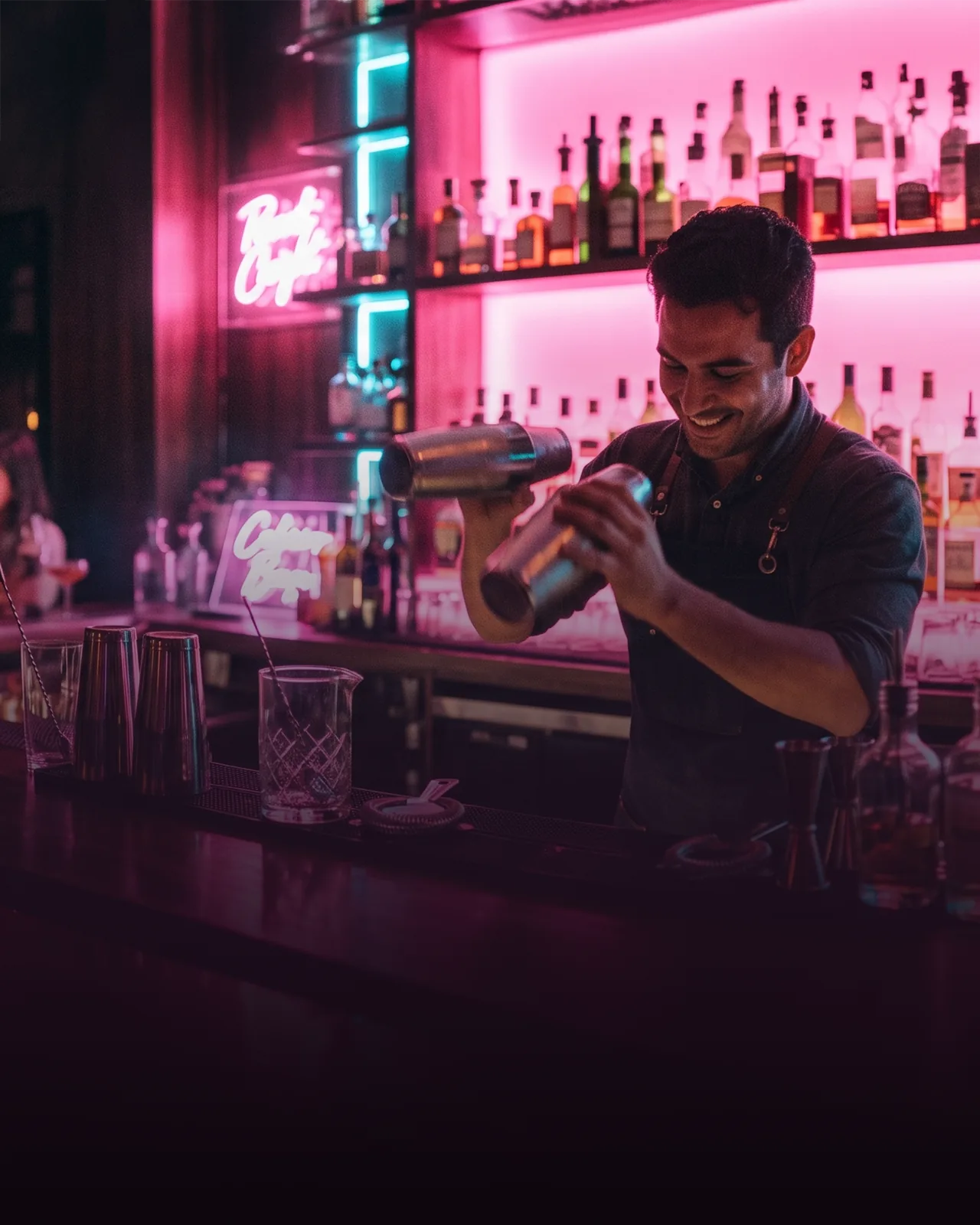
Neon above the cake counter, which is where the photographs are taken anyway.
A UV cabinet for tools and small equipment in a room that works with cream and raw egg.
Plates, boxes and bags are a branding decision — they follow how much of your product leaves the shop rather than sits in it. We stock and print the range and price it with the rest of the order.
Catalog prices at the quantities listed, excluding shipping, duties and installation. Send a request and we confirm current pricing and lead times for your build.
Request received
We are pricing the setup now and will come back with a quote and lead times, usually within one business day.
That did not go through
Something broke on the way to us. Try again, or write to sales@barequip.pro and we will pick it up from there.