

Crêperie and creperie equipment sized around the plates: one running sweet, one running savoury, cold storage directly beneath them, and extraction that copes with butter on a 200 °C griddle all day.
A crêperie is a two-plate format. One plate runs sweet, one runs galettes, and neither waits for the other to recover temperature — which is why the list starts with plates and not with an oven. Everything else follows from keeping the cook at the plate: batter, butter and fillings held cold within arm's reach, and enough extraction that the room stays workable.
Quantities assume a 30-seat room with a takeaway window. Plates, cups and packaging are picked separately, since they carry your branding. Send your floor plan and the covers you expect, and we adjust the counts before quoting.
Dining Chairs
A crepe is eaten hot and quickly so the room turns, and twelve sets has to take that rather than look permanent.
The spreading is the theatre of this format and it happens at waist height, so the light has to be aimed at the plate rather than at the room.
Pink / 63 - 85cm
Guests like to watch the pour, so the seats at the window and along the griddle counter fill before the tables do.
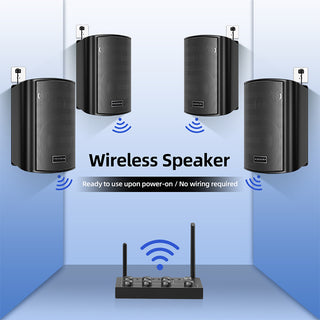
6.5-inch speaker for LS-02 white
A creperie is quiet by nature — one griddle, no extraction roar — and the gaps between orders are what the music is there to fill.
A creperie's summer trade happens outside, and eight parasols is about what covers a terrace worth putting chairs on.
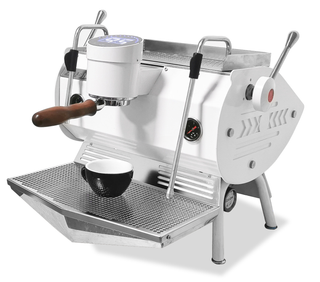
2-Group
A crepe is eaten with a coffee or a cider, and the coffee is the half you have to make yourself. A dual boiler covers both groups without waiting on pressure.
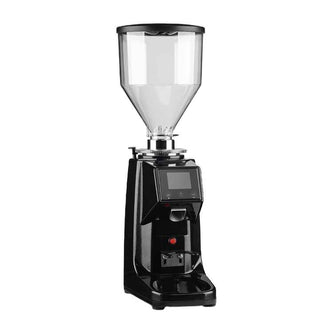
A crepe and a coffee is the whole ticket here, so the coffee cannot be the weaker half of it.
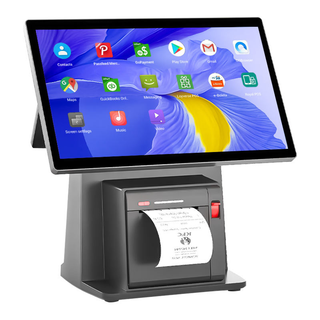
Every crepe is built to order, so the ticket goes to the plate rather than into somebody's memory, printed from the same body the order was taken on.
A street creperie sells more coffee out of the window than across the table, and the cup is what walks away with the name on it.
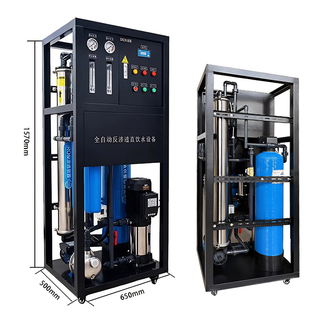
100 kg/24hours
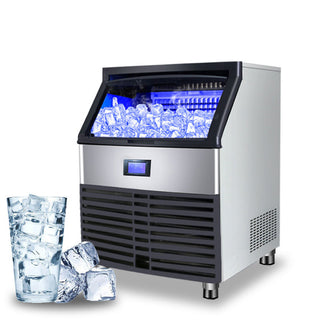
Ice for cold drinks and the summer half of the menu. A creperie's trade inverts with the weather — hot plates in winter, iced coffee and cider on the terrace in July.
It sells alongside a sweet crepe more often than coffee does, and making it by hand costs the plate a minute it does not have.
Screen menu behind the counter, split sweet and savoury. The board changes with the fruit.
Straight Front / 120cm Floor Model
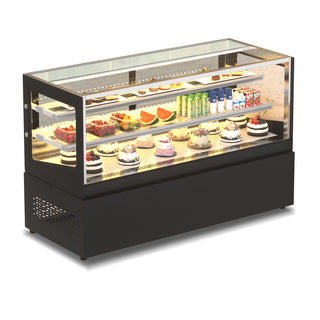
Cold case for the prepped fillings, fruit and desserts. In a room where the cooking is the show, the case is what people order from.
A crepe with a scoop prices as a dessert; the same crepe on its own prices as a snack, and the machine moves it between the two.
A scoop is the upsell every sweet crepe order can take, and it only gets ordered when the guest can see the tubs.
8L
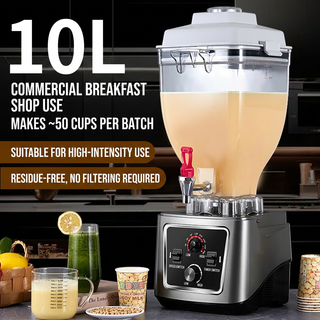
Milkshakes and fruit drinks for the sweet side of the menu, and for the summer half of the year when nobody wants anything hot.
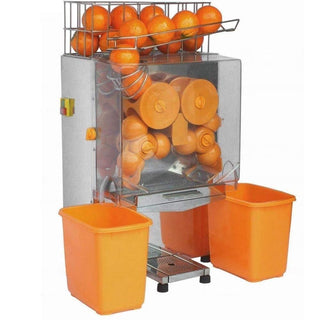
Fresh orange juice at the counter — the drink that pairs with a sweet crêpe.
Milkshakes, which on a crêperie menu outsell coffee in summer.
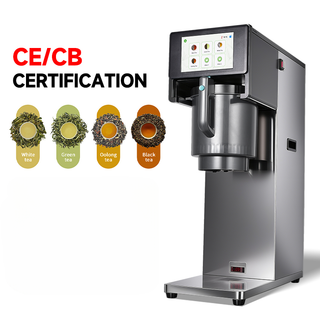
Batch-brewed tea for the afternoon, when a creperie sells a pot and something sweet rather than lunch.
A creperie runs one espresso machine all day with nobody watching it, and scale is the failure that closes the drinks half of the menu.
A folded crepe travels badly in a paper bag and well in a handled one, which is most of whether takeaway works here at all.
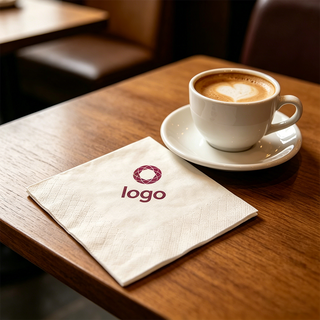
A crepe is eaten with one hand and a napkin, which puts the shop's name in the other hand of every customer who buys one.
Takeaway boxes and cones for the street window. A crepe folded into a cone is the format's whole portable offer, and the cone is what stops it reaching the customer as a handful.
90 cm
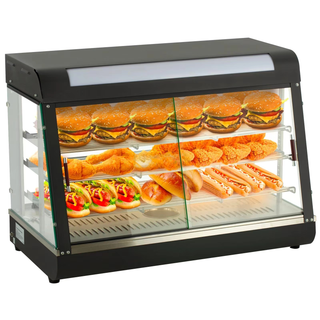
Heated case for the savoury galettes held ready in a fast-service site.
10 L/h
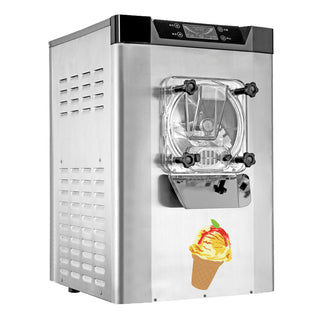
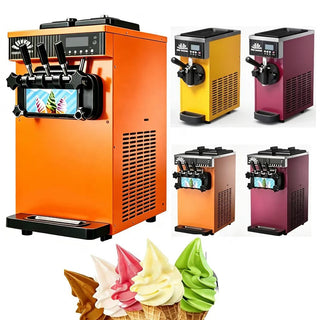
Soft serve for cones and the takeaway window. It sells to the people walking past who were not going to stop for a crepe and a sit-down.
A creperie is a two-plate format: one runs sweet, one runs savoury, and neither waits for the other to come back to temperature.
A 540 mm double-sided griddle — the third plate that absorbs the peak, and the one that does galettes at the width they need.
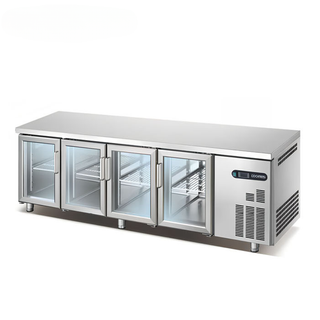
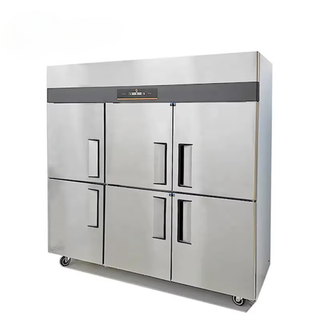
Batter, butter and fillings have to be within reach of the spreader, or the plate cools while somebody walks to a fridge.
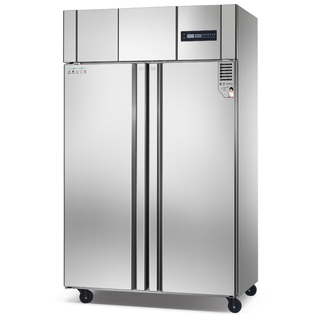
Crepe batter is rested cold overnight, which makes this a production fridge rather than a store cupboard. The dairy and the prepped fillings share it.
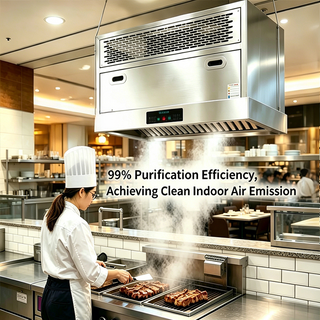
Butter on a 200 C griddle produces smoke for as long as the shop is open, and electrostatic extraction handles it where there is no duct to the roof.
Stainless Steel 304
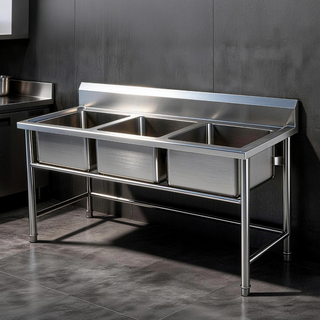
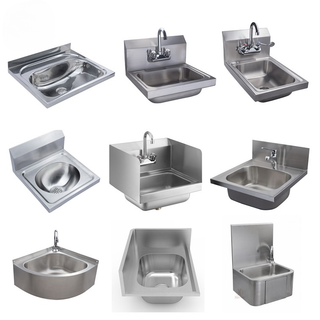
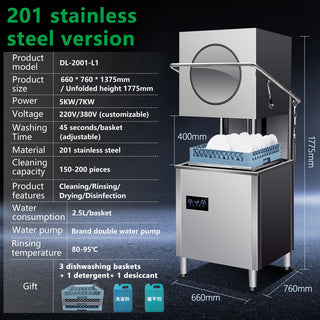
Crepe batter sets on everything it touches, and a creperie washes the same six items twenty times a day.
Ready-to-eat food is handled at the line and again in the back, and an inspection counts a sink at each.
Plate with an integrated serving station — the window unit for a site that sells to the pavement as well as the room.
Air cooling
A cold bench for the fillings, with the storage underneath it. A galette needs six or seven components within a hand's reach of the plate, and the spreader cannot leave a griddle that is already hot.
10L
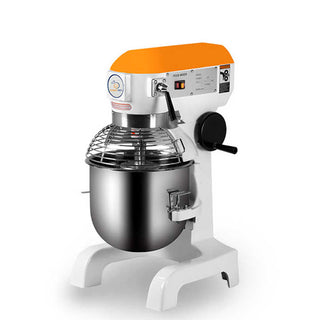
Crepe batter gets mixed by the bucket and rested, which is not a hand-whisk job, and the creams and chantilly come off the same bowl.
7MM
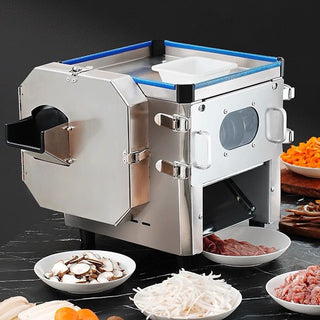
Slices, shreds and dices the savoury fillings. A galette menu is mostly prep, and this is where the prep happens.
201 Stainless Steel
Plates, jugs and batter bowls through a hood machine. Crepe batter dries to a glue that a sink and a cloth do not take off.
Fruit, ice cream and the frozen half of the dessert menu. A creperie's sweet list runs on berries that are out of season nine months of the year.
A chilled rail of fillings within reach of the griddles, sweet on one side and savoury on the other.
Gas rotating plates for a market pitch or a site with no three-phase supply. Three is the smallest order and also the smallest workable stall.
A single plate for a kiosk, an event pitch or a second site.
Roti and pancake plate — for the shops running an American-pancake or flatbread line alongside the crêpes.
Batter scrap and fruit prep arrive wet. A disposer on the prep sink keeps them out of the bin.
Rolled sweet wafers alongside the crêpes, from the same batter discipline.
40*60cm (15.75*23.62in)
Backlit menu panels, sweet on one side and savoury on the other — the board is the whole menu here.
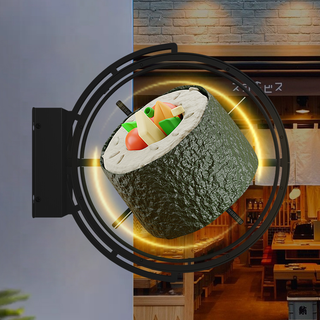
A creperie usually trades from a narrow frontage with the griddle in the window, so the sign has to work above head height at the entrance and on the terrace.
Charges itself, so it stands at the kerb of a terrace with no power run to it. A creperie sells on being seen from the pavement, sweet side first.
Double Sided / Rechargeable
A crepe is bought by somebody who was not looking for lunch, which means the decision happens outside rather than inside.
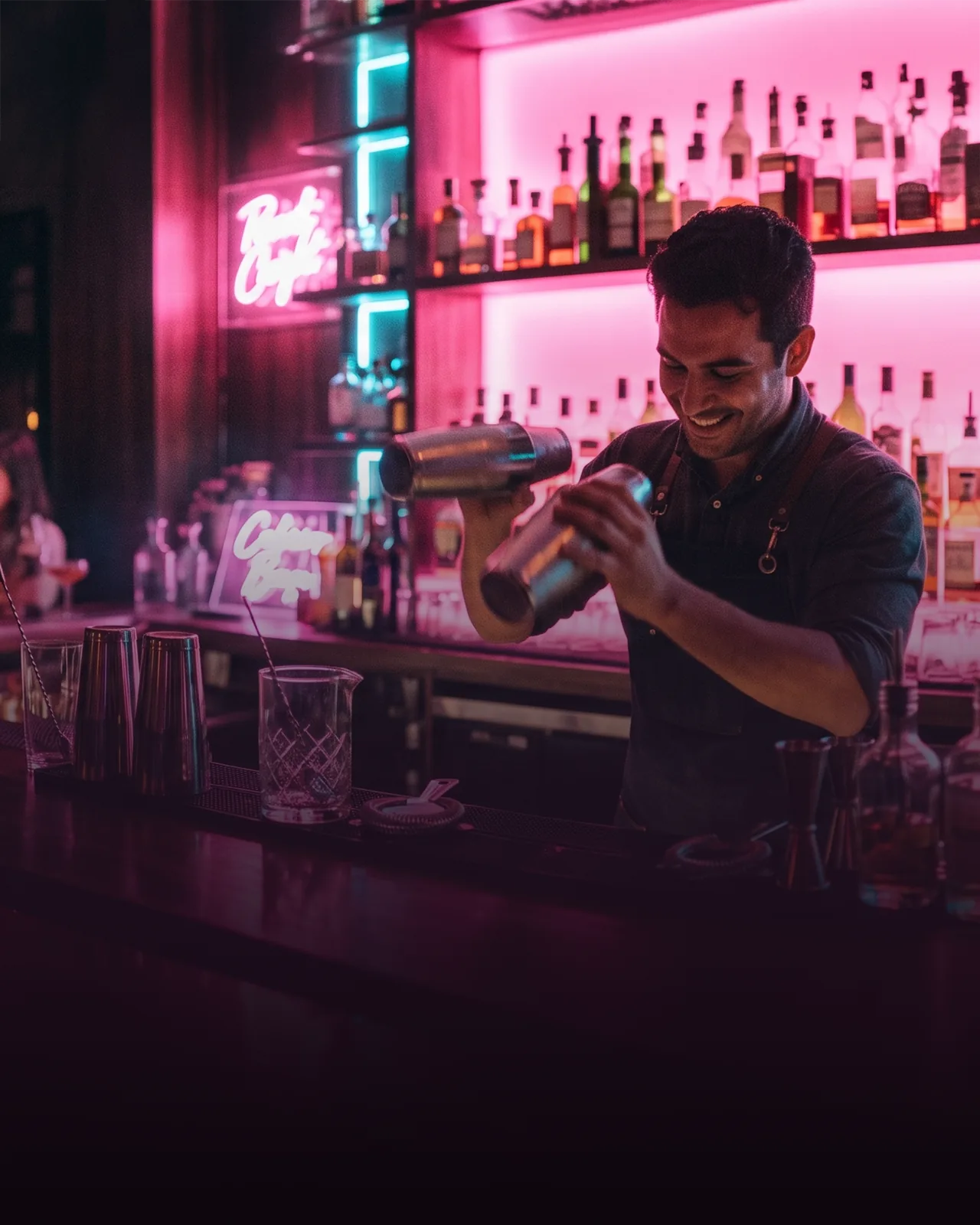
Neon above the griddles, which is where every customer looks while they wait. The griddle is the show; this is what they photograph it against.
Holographic fan in the window, for the pitches where the plate itself is not visible from the street.
Catalog prices at the quantities listed, excluding shipping, duties and installation. Send a request and we confirm current pricing and lead times for your build.
Request received
We are pricing the setup now and will come back with a quote and lead times, usually within one business day.
That did not go through
Something broke on the way to us. Try again, or write to sales@barequip.pro and we will pick it up from there.