

Indian restaurant equipment for a kitchen running a tandoor and a curry line together: gas rice cooking at volume, refrigerated prep for marinades held overnight, extraction, and a dishwasher that deals with turmeric.
An Indian kitchen, built around the tandoor and the burners either side of it. The format lives on two heat sources doing different jobs at the same time — the clay oven for bread and skewers, high-pressure burners for the gravies — and everything else on this page exists to feed those two.
Quantities assume a 70-seat room with a delivery channel. Send your menu and floor plan and we adjust the counts before quoting.
Oval Platter
Bowls for curry, dal and rice — the plate this kitchen serves onto most.
65cm
A thali is served on one and no substitute reads the same, which makes the platter part of the dish rather than part of the tableware.
Dining Chairs
An Indian room holds a table for two hours over a shared spread, so the top has to take six dishes at once rather than a plate each.
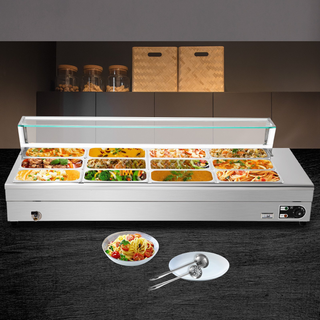
Twelve pans of hot holding at the pass, so a curry house serves in three minutes instead of twelve.
A thali or a shared table needs four or five per cover, so the count runs high and the bowl stays small.
Divided trays for thali and the lunch set. The compartments are what keep a wet curry out of the rice on a tray carried at speed.
Pink gold / 6sets 24pcs
Some guests eat with bread and some do not, and an Indian room has to have both on the table without asking which.
Curry photographs badly under flat light, and a room nobody photographs loses the free advertising that comes with it.
6.5-inch speaker for LS-02 white
An Indian dining room is loud at the tables and silent between sittings, and the music is what covers the gap.
Vinyl-upholstered booths for the dining room — the seating that turns a takeaway with tables into a restaurant.
A curry house smells of the kitchen at the door whether you manage it or not, and managing it costs less than moving the extraction.
Till, printer and card terminal in one body. Half an Indian restaurant's revenue is takeaway, and the takeaway ticket and the table bill have to come off the same till.
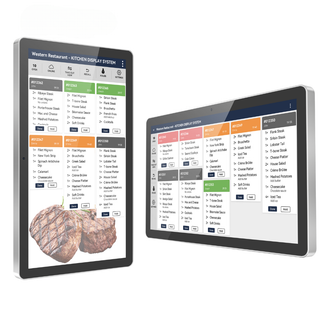
The tandoor and the curry line have to see the same ticket at the same moment, because one takes four minutes and the other takes twelve.
A shared-dish room orders in three or four rounds, and a runner who walks to the till each time misses the next one.
A curry arriving cold in a plain tub is the review you get, and the box is the only branding that reaches the address.
100 kg/24hours
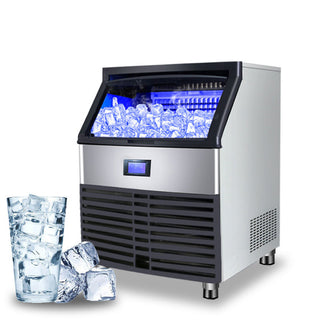
Lassi, beer and soft drinks all leave the pass cold. A kitchen with a tandoor in it will not hold bagged ice through a dinner service.
Masala chai brewed in batch, which is how it is actually served.
Lassi and soft drinks poured at a station rather than out of bottles.
1 Taps
Most guests drink cold lager with a hot curry, and a countertop dispenser is all the room an Indian bar usually has for it.
7L
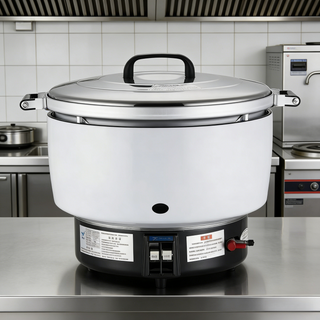
Basmati gets cooked in batches and held, and a pan on the range is how a service falls behind at eight o'clock.
201 Stainless Steel
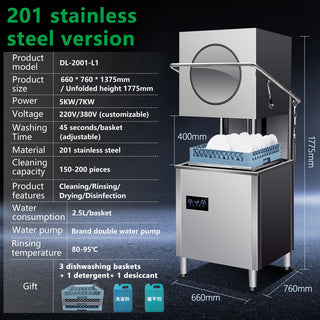
An Indian kitchen sends karahi dishes to the table and gets them back baked on, and a sink at hand temperature will not shift turmeric and ghee.
Air cooling
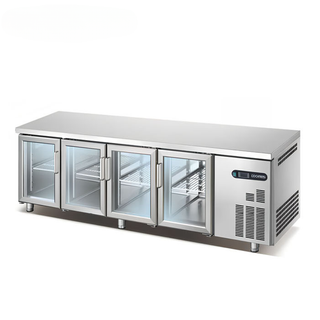
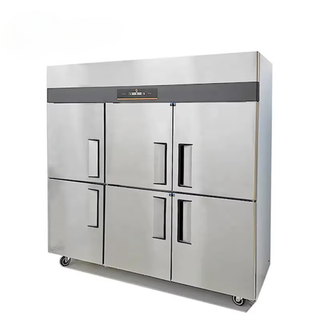
The marinades and the mise for the whole line sit at temperature and in reach, which in a kitchen running two sections at once is the only way it works.
Marinades sit overnight in here alongside the day's stock, and a tandoor kitchen marinates almost everything it serves.
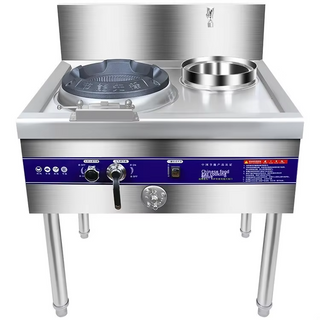
Gas clay tandoor for roti, naan and skewers. There is no substitute in a deck oven — the bread is cooked against the wall, and that contact is the product.
Stainless Steel 304
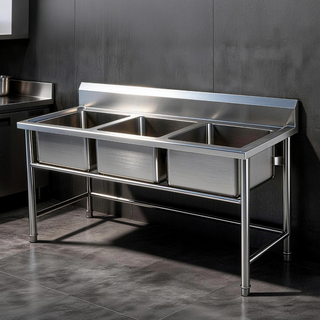
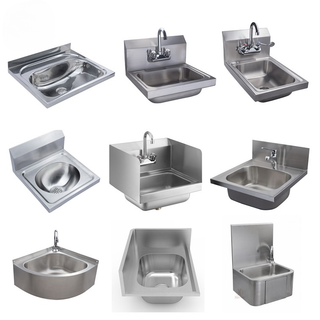
An Indian kitchen turns out more oiled and turmeric-stained pans than most, and an inspection expects to see the three-bowl sequence for them.
A domestic-output burner under a full karahi means the sauce simmers instead of coming together, which loses the technique the dish depends on.
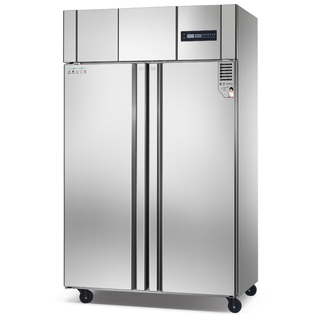
Naan and paratha are made ahead and frozen flat, and the multi-door build means opening the bread section without warming the meat.
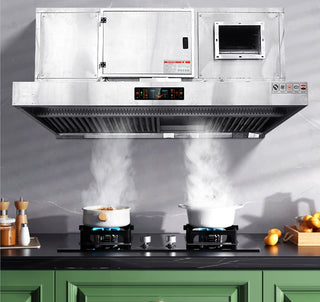
Six thousand cubic meters an hour over the line. A tandoor and an open burner range put out more than a standard extraction rating covers.
A tandoor cook, a curry line and a prep bench all handle raw meat, and five is the number that stops anyone washing hands in a prep sink.
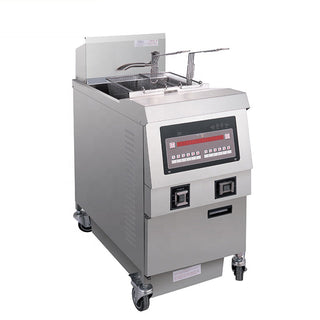
Samosa, pakora and bhaji are a third of the menu and all of them come out of oil, which is more than one well can carry at eight o'clock.
YPC-2D-B-3 • 30W
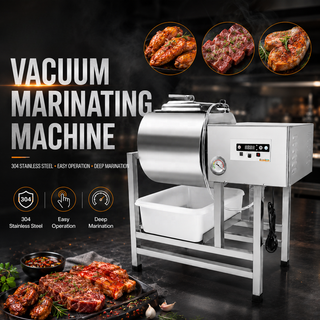
A vacuum tumbler drives marinade into the meat in twenty minutes rather than overnight. Tandoori depends on it.
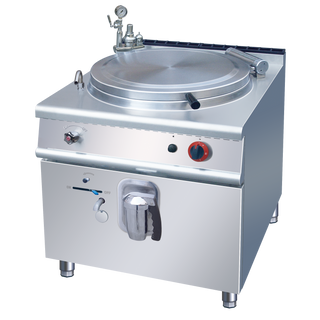
Indirect heat means the base gravy does not catch, which is the failure that ruins a hundred litres at once.
Dal and slow-cooked meat take four hours in a pot and under one in here, and without that there is no lunch service.
Thirty-two liters for masala pastes and base gravy. Ginger, garlic and onion by the bucket is a machine job, and doing it in a domestic blender is what limits the size of a batch.
300 kg/h
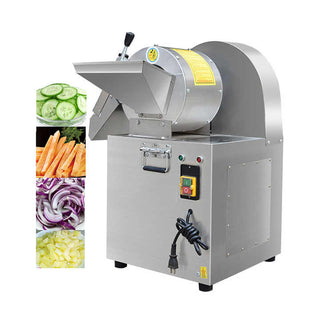
Three hundred kilograms an hour of onion, pepper and root vegetable — the single biggest labor line in this kitchen.
20L
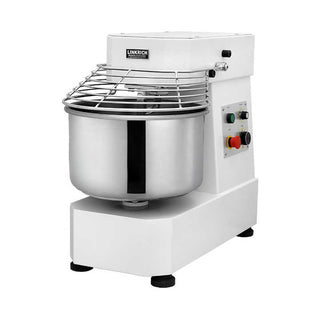
Hand-kneading enough naan dough for a Saturday is a job nobody stays in for, and a spiral hook does it without heating the dough.
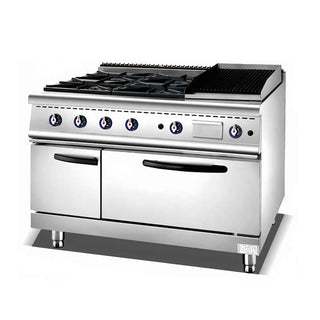
Four burners, a lava-rock grill and an oven under it — the second section, for the dishes that are not going near the tandoor.
S
One does breads and one does meat, or the service stops every time an order needs both.
Roti and chapati made by machine at the rate a full room orders them.
A press for paratha and naan bases, so the tandoor gets even discs every time.
Six trays of steaming for rice, idli and anything held for service.
Open burners beside the wok range for the curry line. The karahi section works at full gas; this is where the dal, the rice water and the sauces that only need to sit are kept.
A UV cabinet for knives and small tools in a kitchen that handles raw meat all day.
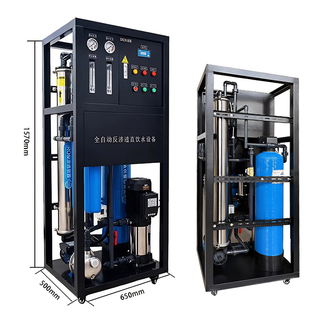
Hard water sets basmati hard and scales a steamer inside a month, and both the rice and the steam start from the mains.
3 trays
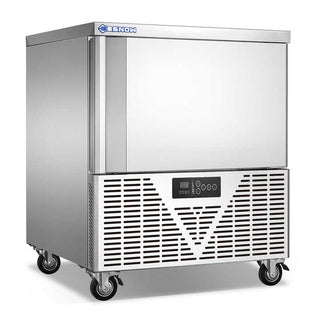
Blast chilling for cooked base gravy, so a batch is safe to hold rather than being cooled in the walkway.
Grinds prep and plate waste at the sink. Onion and pepper trim fills a bin faster than anyone wants to carry it.
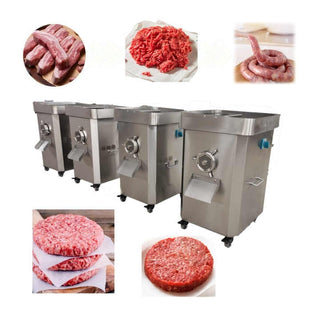
Five hundred kilograms an hour for seekh kebab and keema made in house.
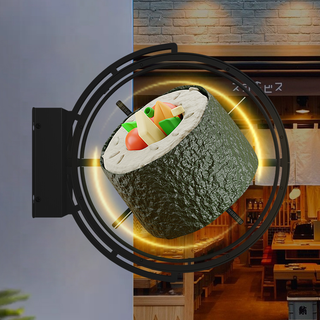
An Indian restaurant gets found at night, by drivers as often as by people walking, so the door and the delivery entrance both need a plate.
The pavement is where the takeaway trade gets caught, and a board that charges itself can stand there without a cable.
Double Sided / Rechargeable
Lunch is the thali trade and it gets sold to people already walking past at noon, so the menu goes outside.
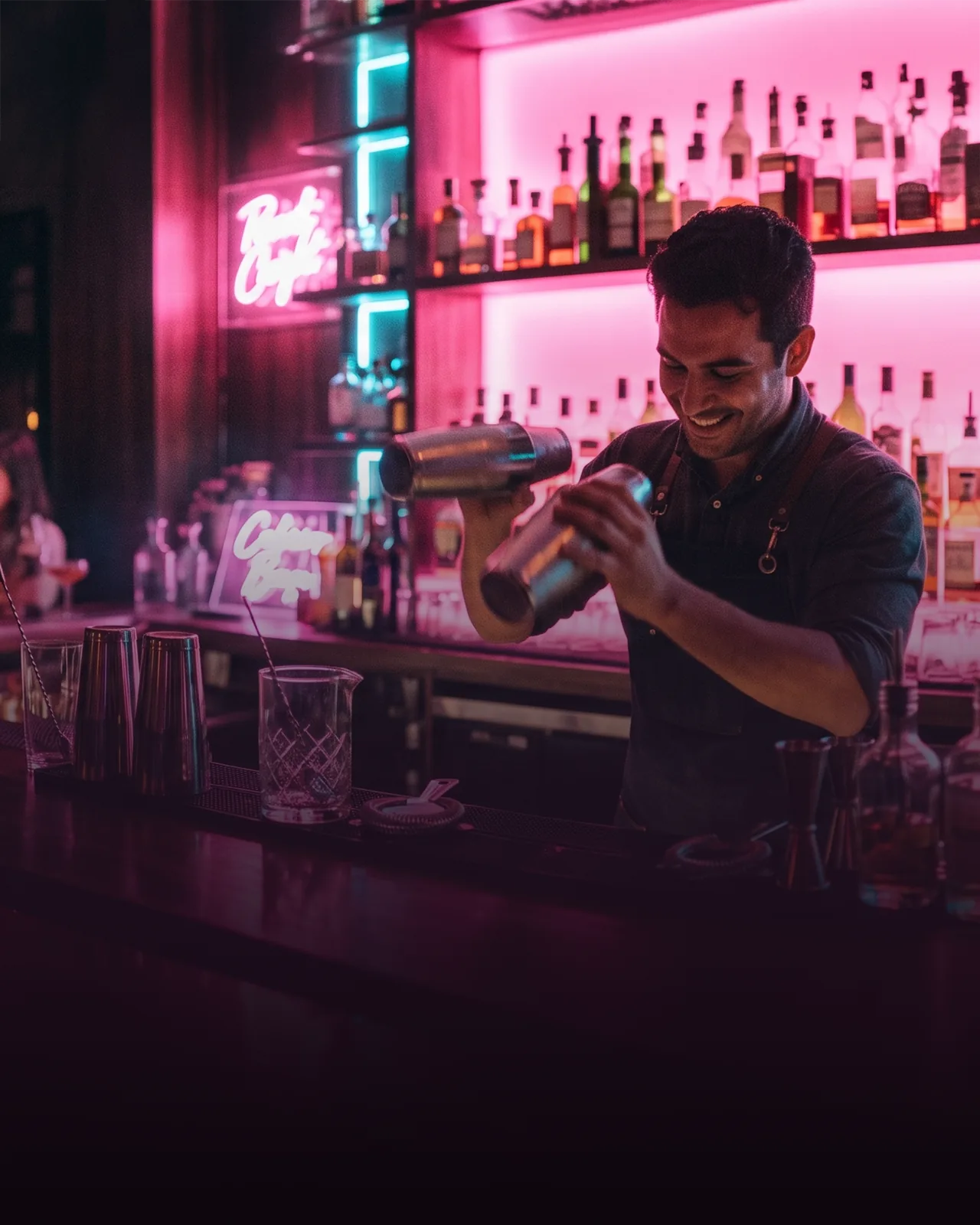
A photograph taken in low light over a shared table keeps very little, and the neon on the wall is the part that survives.
40*60cm (15.75*23.62in)
Backlit panels for the takeaway counter, where the menu is read standing up.
A floating image in the window — the tandoor, or the dish the room is known for. It reads from the pavement at the hour a printed menu board does not.
Thali, karahi serving dishes, rice bowls and the cutlery that goes with them — the forms depend on whether the room plates individually or serves to share. We stock them; tell us how you serve and we price them with the order.
Catalog prices at the quantities listed, excluding shipping, duties and installation. Send a request and we confirm current pricing and lead times for your build.
Request received
We are pricing the setup now and will come back with a quote and lead times, usually within one business day.
That did not go through
Something broke on the way to us. Try again, or write to sales@barequip.pro and we will pick it up from there.