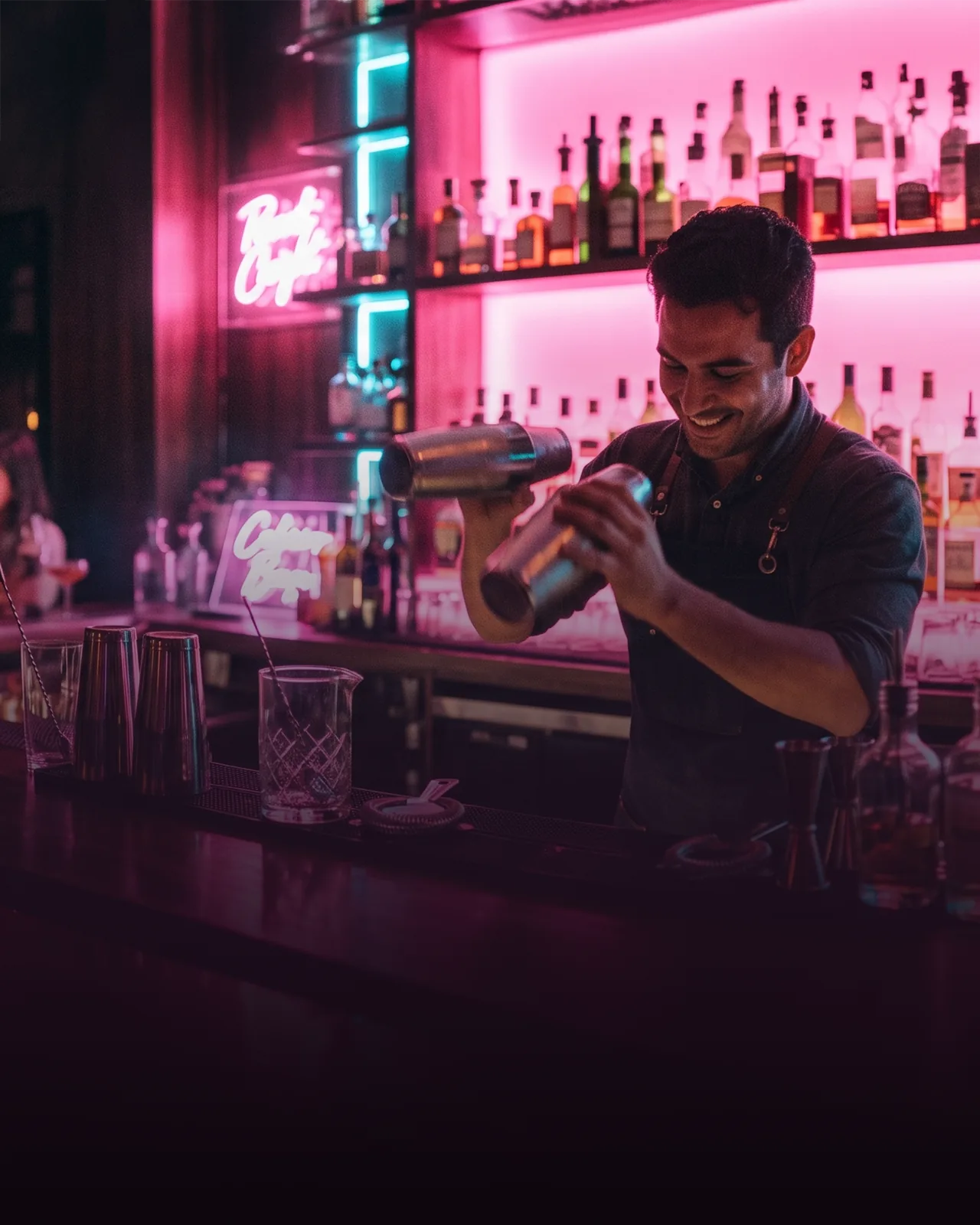


Coffee roastery equipment from green bean to sealed bag: a shop roaster under proper extraction, grinding kept away from it, packaging that holds freshness, and the tasting bar where wholesale accounts are actually won.
A retail roastery with a tasting bar — roasting to order for a shop counter and small wholesale, rather than a production plant. The list runs the way the bean does: green store, roaster, grind, pack, sell.
Quantities assume one shop roaster and a counter, not a production line. Tell us your weekly roast volume and whether you are packing for wholesale, and we size the roaster, the sealer and the extraction against it before quoting.
Dining Chairs
The cafe side pays the rent while the wholesale side is being built, and it cannot do that without somewhere to sit.
People stay long enough in the cafe half to be sold a bag, and a booth is what makes them stay that long.
Anti-glare spots over the bar and the retail shelf. The bags are the product on display.
Pink / 63 - 85cm
Wholesale buyers taste before they sign, and they do it sitting at the espresso bar or along the cupping counter rather than at a table.
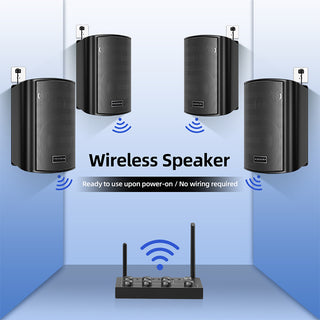
6.5-inch speaker for LS-02 white
A roastery is a hard, loud room — bare walls and a drum turning — and background level is what makes it sittable.
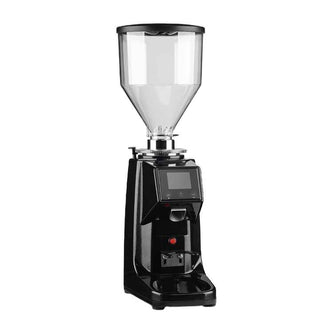
Roasting and grinding have to sit apart — grind fines travel, and a roaster that smells of yesterday's espresso cannot cup honestly. Conical burrs hold particle size steady across the retail bag sizes.
The retail counter of a roastery sells beans, brew kit and a cup at three different tax and margin shapes. A dual-screen till keeps the customer looking at the order while you work it.
The cafe is a shop window for the bags, and the cup is the part of it that leaves with the customer.
Dose and time on a scale at the bar and on the cupping table.
2-Group
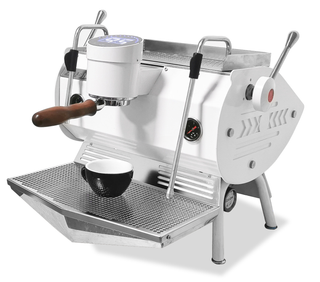
The tasting bar is where a wholesale account gets decided. A dual boiler holds brew and steam temperature independently, so a comparison between two roasts is fair rather than lucky.
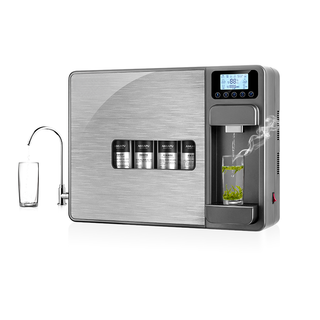
Cupping on untreated water measures your water, not your coffee. Filtration also stops scale killing the espresso machine, which is the more expensive of the two problems.
A roastery sells its bag as much as its beans — it is the only thing the customer carries into an office. Printed to your own artwork rather than blank.
Somebody in every queue does not drink coffee, and a roastery still has to serve them something better than a bag in a cup.
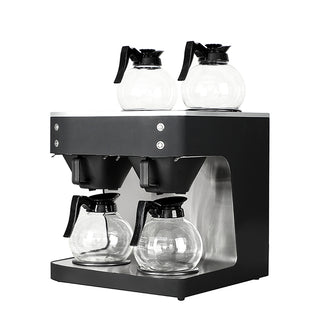
Filter is how a roastery shows a single origin to somebody who will not buy a bag on the strength of an espresso, and two jugs hold a batch for an hour.
5 L standalone steamer, so milk drinks do not tie up the espresso group during a cupping or a class.
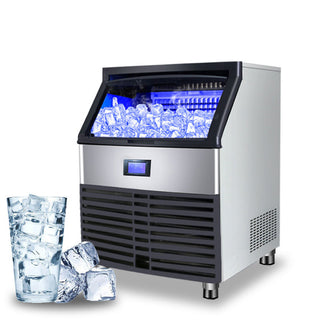
100 kg/24hours
80–120 kg a day for the iced and cold-brew half of the menu.
Single origins rotate constantly here, so a printed board is out of date the week it goes up.
A retail grinder at the counter, so a bag can be ground to the customer's brewer.
Black / 350ml
Pitchers for the cafe side of the roastery. The bar pulls small numbers steadily rather than in a rush, and a jug that has to be washed between every drink is what makes that slow.
A standing knock box with motorised cleaning for a bar that pulls all day.
Cold brew on the counter — the drink that sells your beans in summer.
3150L
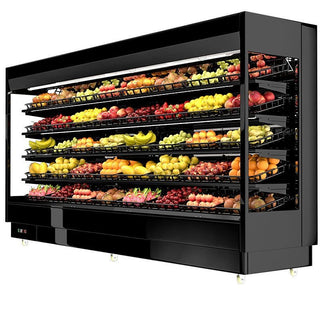
Bottled drinks and food in an open chiller beside the till. A roastery's cafe has a long dwell time, and this is what gets a second sale out of someone already sitting down.
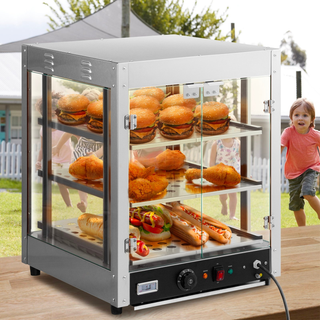
Warm pastries held on the counter rather than reheated to order.
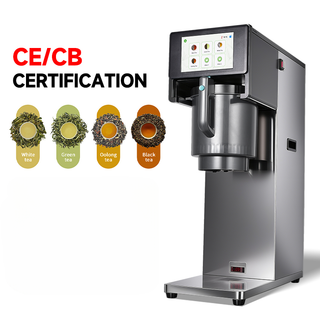
A second brewer for a site that runs a real tea list alongside the coffee.
It turns the lots that will not sell hot into a summer product, ten litres at a time and poured rather than brewed to order.
Black
Consistent tamp pressure, which is the variable a busy bar loses first.
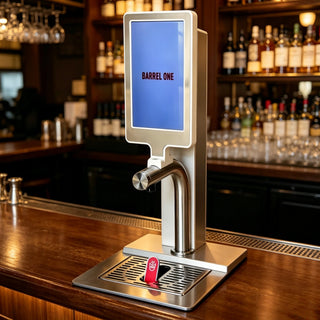
Nitro on two taps, for a roastery that wants a cold menu of its own.
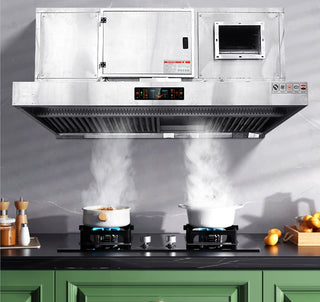
A roaster puts out smoke and chaff rather than steam, and extraction over it is a licensing question long before it is a comfort one. Six thousand cubic metres an hour covers a shop roaster with room to spare.
Stainless Steel 304
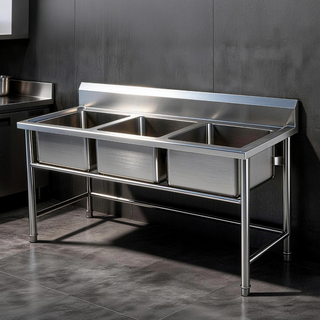
Cupping glassware, portafilters and sample trays all wash here. Three bowls means wash, rinse and sanitise without moving between rooms.
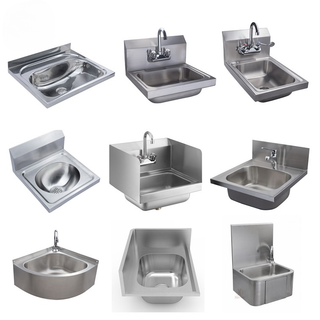
Hand sinks on the roasting floor and behind the bar — an inspection item on a food-production site.
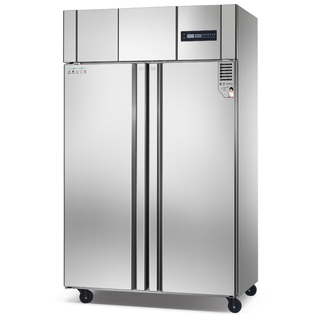
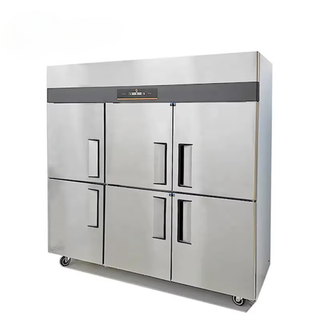
Milk for the tasting bar and green samples that must not sit warm. Green coffee is hygroscopic — a warm store shifts moisture and the roast profile drifts with it.
201 Stainless Steel
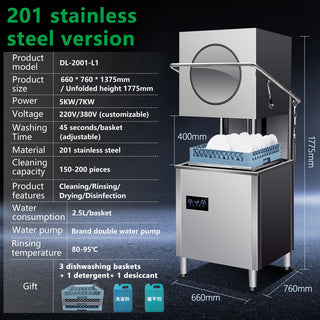
Cupping bowls, spoons and bar glassware through a hood machine. Cupping alone puts forty bowls and forty spoons in the sink in twenty minutes, twice a week.
Air cooling
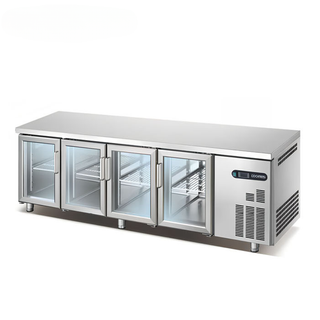
A cold bench for the food side, with the storage under the board. A roastery's kitchen is a corner rather than a room, so the prep surface and the fridge have to be the same piece of furniture.
40 ton
Green coffee arrives in 60 kg sacks and cardboard, weekly. Baled it leaves as stackable bales; unbaled it becomes a pile in the loading area.
Oat and almond move slowly enough in a roastery that buying them chilled means throwing half of it away, so they come in frozen alongside the food.
40*60cm (15.75*23.62in)
Origin, process and roast date change every few weeks. A backlit board is re-printed for the cost of a sheet, unlike anything painted.
Half a roastery's walk-in trade is people who smelled the roast and then went looking for a door, so the fascia and the entrance and window plates all carry the name.
A roastery usually sits in a unit with industrial neighbours and no passing signage, so the sign has to work at the kerb and charge itself.
Double Sided / Rechargeable
Nobody walks past a roastery on purpose, so the board on the pavement is the thing that says it also sells cups.
By the roaster is where the photograph gets taken, and neon on that wall is what sells the brand inside it.
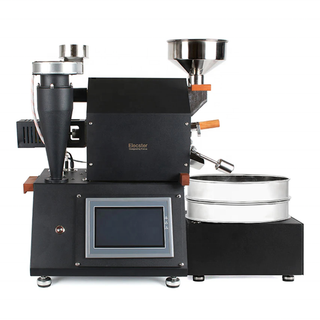
A 500 g batch is a sample-and-shop size: enough to roast to order for a retail counter and small wholesale, small enough that a bad batch costs half a kilo instead of a day.
A shop roaster fills the shop; twenty kilos an hour fills wholesale accounts, and those are what make the rent predictable.
You cannot cup a lot you have not roasted, and roasting a sample on the production drum costs a full charge to learn one thing.
Carries beans from the roaster to degassing and on to the packing bench. On a packing day one person feeds the line instead of two carrying trays.
Roast date is the one number a speciality customer actually checks, and it has to go on the bag rather than a sticker that peels.
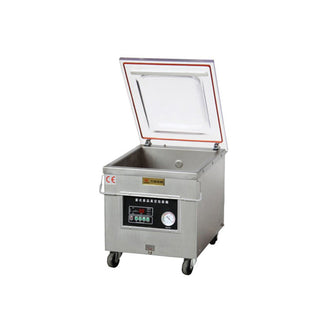
Roasted beans go stale on oxygen, not on time. Sealing at the roastery is what lets you sell a bag two weeks out and still stand behind it.
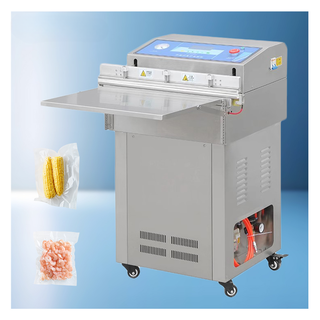
600 mm seal bar for sample bags and green-coffee sub-lots. Green coffee ages in the open, and a roastery holds it for months.
Someone who came in for one 250 g bag leaves with three if there is something to carry them in.
For wholesale cases going to offices and hotels, where a sealed outer is what survives a courier.
Banding cases for pallet dispatch, once wholesale outgrows what fits in a car.
Carton strapping for wholesale despatch — the half of a roastery that is not the café.
Flow-wrapped drip bags and sample packs, which is how a roastery gets into offices and hotels.
Air sterilisation over the packing bench, where an open bag meets room air.
Catalog prices at the quantities listed, excluding shipping, duties and installation. Send a request and we confirm current pricing and lead times for your build.
Request received
We are pricing the setup now and will come back with a quote and lead times, usually within one business day.
That did not go through
Something broke on the way to us. Try again, or write to sales@barequip.pro and we will pick it up from there.