

Coffee shop and cafe equipment for a counter that has to be quick at eight in the morning and still look full at four: espresso and grinders, filter brew, heated and chilled display, water treatment and the wash-up behind it.
A specialty coffee shop with a pastry counter: espresso and filter side by side, iced drinks that outsell hot ones half the year, and a display that has to look full at eight in the morning and at four in the afternoon.
Quantities assume a 40-seat room doing roughly 300 drinks a day across one bar. Cups and tableware are picked separately — they carry your branding. Send your floor plan and the volume you expect, and we adjust the counts before quoting.
6.5-inch speaker for LS-02 white
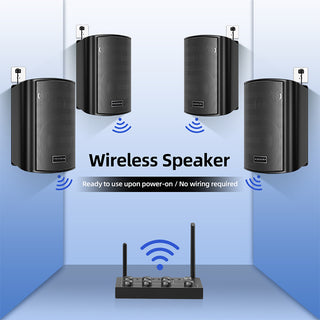
50 W wall speakers on one wireless zone, set under conversation. Four cover a 40-seat room evenly.
Dining Chairs
Booth sofas alone do not seat a room, and twelve sets is what fills the space between them.
A moss ring over the communal table is the room's photo — the thing a first-time customer frames before the coffee arrives. CRI 90 keeps the pastry display looking as good under it as it does in daylight, and 3000K warm keeps the four-o'clock lull feeling like somewhere you'd stay.
A wall of fixed banquette turns the same forty-seat floor into more covers than loose chairs ever will, and its runs and corners fit the room instead of scattering across it. Built to order to your plan, so the shape follows the wall rather than the wall bending to the furniture.
Pink / 63 - 85cm
Stools for the window counter, where the laptop trade sits.
serving tray 39*25*4
A warm wooden alternative to a plain plate when a croissant and a flat white go out together — the kind of detail a boutique room leans on, but not one the doors need on day one.
For the pavement tables that only some rooms have: the marble base holds the canopy steady in a gust, so the two outdoor seats stay usable through a windy afternoon rather than folding away by noon.
Only if you have a terrace: 13 kW up a glass tube keeps outdoor tables selling coffee into the cold months, and a covered pavement can be the whole second half of your seating. Skip it if all your seating is indoors.
Pushes one signature scent through the HVAC so the room smells the same at eight in the morning as it does at four, when the espresso aroma has faded and the pastry case is half empty. Some rooms want a smell of their own; most let the beans do the work.
100 kg/24hours
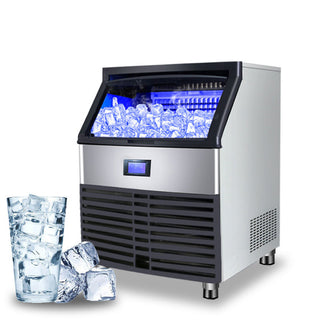
Sized for a summer afternoon, when the whole menu goes over ice and the machine becomes the bottleneck nobody planned for.
90 cm
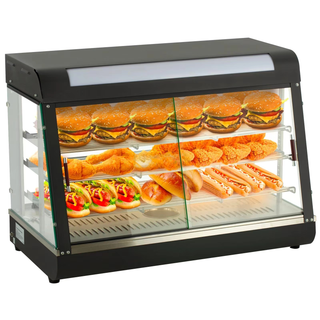
A warm case at the end of the counter for the savoury half of the menu — toasties, pies, sausage rolls. Pastry that has been sitting under glass at room temperature stops selling by eleven.
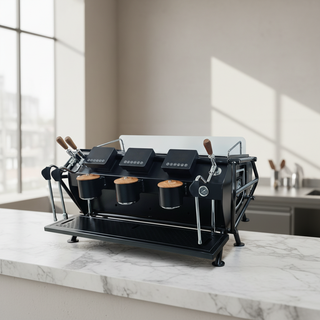
Three groups and a dual boiler: two baristas can pull and steam at once without either waiting on pressure recovery. A two-group machine caps you at roughly 150 drinks in a morning.
Straight Front / 120cm Floor Model
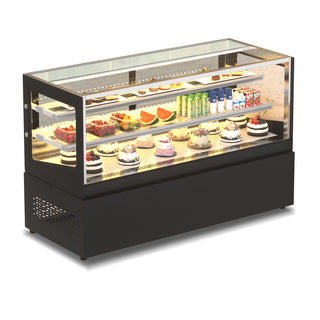
The cold half: cakes, desserts and sandwiches at temperature and on show, with the glass between them and the queue.
The barista sees the ticket and the guest sees the total on the second screen, and standard Android POS software keeps the menu yours to change.
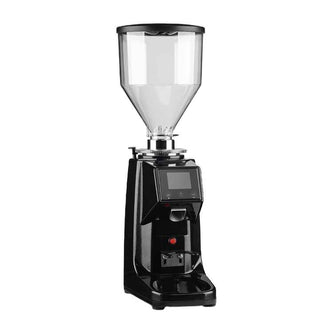
One grinder means switching between espresso and decaf mid-queue, which is the most common reason a morning slows down. Two removes the switch.
Silver
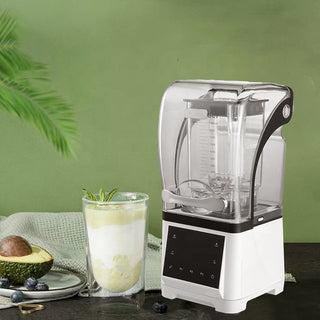
The sound cover lets you blend a frappe next to a table of laptops without clearing the room, and that decides whether iced drinks run all summer or get dropped for the noise. Half your sales are cold half the year, so it earns its counter space by the second month.
Every drink that leaves the counter leaves in one of these, and the logo on the sleeve is the only branding a customer carries down the street. Double-wall for hot, single-wall for the iced drinks that outsell them half the year.
Black / 350ml
A three-group machine with two pitchers runs at half speed, so the count follows the group heads rather than the staff.
Dose and time on a scale. Without it, consistency is whatever the last barista remembered.
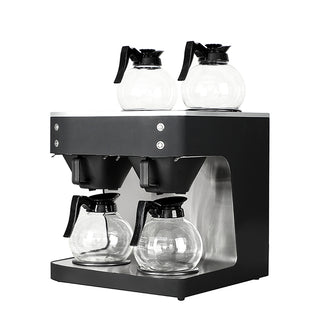
Batch coffee is the margin drink of a specialty shop: brewed once and poured for an hour, with two jugs held hot behind it.
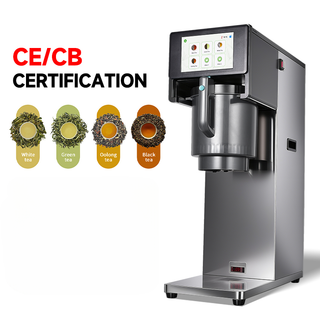
Brews and holds tea by the batch. The tea half of the menu is usually run off the espresso machine steam wand, which slows the coffee queue for a drink nobody is queueing for.
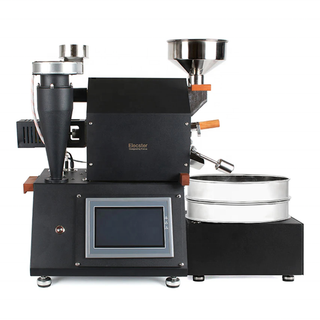
A 500 g batch roaster in the window. In-house roasting is a slow business decision, but it is the one that lets you sell beans as well as cups.
A separate 5-liter steam boiler so texturing milk never queues behind pulling shots — when the eight o'clock rush is all flat whites, the espresso machine's own wand becomes the bottleneck. Its temperature and foam-stiffness controls let one barista keep pace with the second bar you don't have yet.
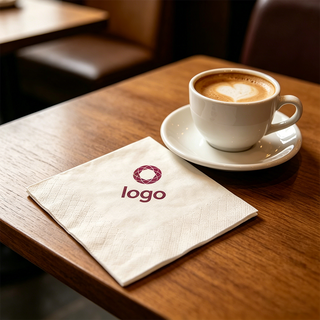
Every saucer and every to-go drink crosses the counter with one, which makes it the cheapest branded thing a specialty room hands out. The 23 cm square suits a cup and a slice of cake rather than a full plate.
One knock box per side of the bar. A barista who has to cross behind a colleague to knock out a puck loses four seconds on every shot of the morning rush.
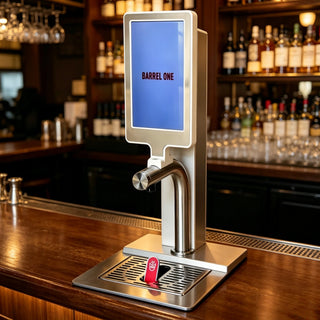
It carries a coffee shop through the months when hot drinks stop selling, poured from a tap instead of made to order.
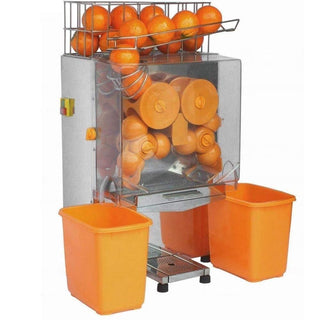
Fresh orange juice pressed at the counter, for the guests who do not drink coffee.
A coffee shop's bag sale is an add-on at the till, and nobody adds a kilo of beans to a drink they are already carrying unless there is something to put it in.
10 L/h
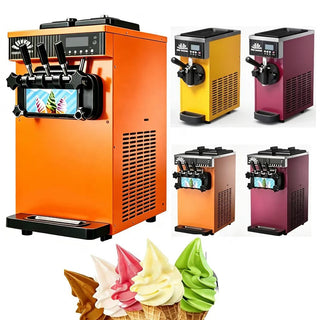
A soft-serve counter is a summer add-on, not part of the coffee program — worth it only if you want a dessert line the espresso bar can't cover. Countertop footprint keeps it off the floor plan the rest of the year.
A 20-liter countertop cabinet for scooped gelato, small enough to sit by the till and sell an impulse treat off the same queue that came for a flat white. Only worth it if the concept runs frozen product — a plain espresso bar can skip it.
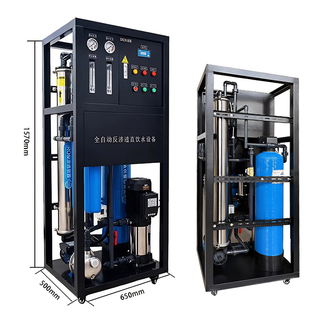
250 liters an hour of treated water for the machine, the brewer and the ice maker. Scale is what kills espresso boilers and it is entirely preventable.
Ten liters of cold brew on tap, no overnight steeping in a fridge full of buckets. Sells at espresso margins with none of the barista time.
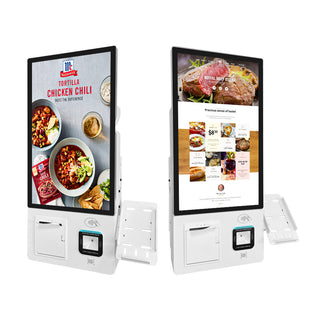
Card kiosk for a location where the queue is longer than the seating — it takes the simple orders off the bar entirely.
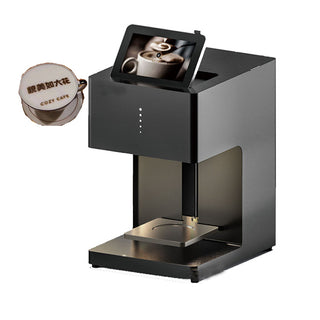
Prints a photo on the crema in edible ink. It exists for the social-media order, and on the right high street it pays for itself.
Holds hot chocolate stirred and at temperature all day, so the winter drink that isn't coffee pours in one motion instead of tying up the steam wand. Runs only if you want that off the espresso machine — a specialty room can trade its first month without it.
Doses syrup by weight to within half a gram, so the iced latte a new hire pours on a Friday rush tastes like the one your lead barista makes. Worth it only if sweetened and flavored drinks are a real part of the menu rather than an occasional add-on.
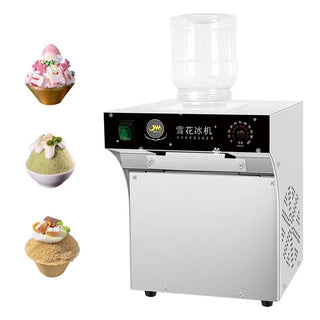
Snow ice belongs to a dessert menu rather than a coffee one, so it earns counter space only if bingsu or shaved ice is a summer draw in its own right. The 375 mm footprint sits on the back bar, but plan the extra staff step before you add it.
Pours near-boiling water for pour-over and tea on demand, so the espresso machine's grouphead is not tied up filling an Americano during the morning rush. Holds temperature to plus or minus one degree, which a filter batch needs and a scalded one did not get.
Holds a 70–100 °C range on tap, so green tea gets its lower temperature and a pot of English breakfast gets its rolling boil without a barista babysitting a kettle between coffee orders. Frees the espresso machine's hot-water tap for Americanos when the bar is two-deep at eight in the morning.
Portafilters cleaned between shifts without a sink full of soaking baskets.
Pink Stainless Steel
Distributor, tamper and needle set — the small tools that decide how even an extraction is.
A third grinder for a single origin or decaf, so the house blend never gets purged.
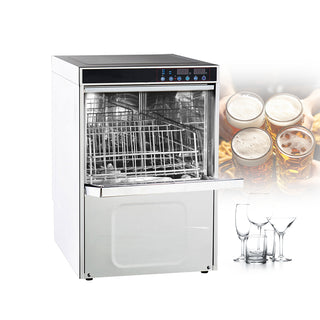
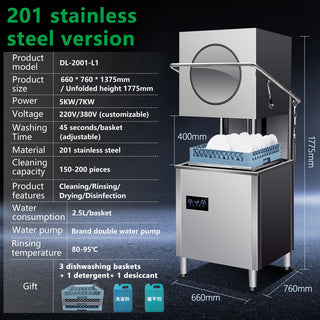
Cups and glass come back into service before the queue clears, at thirty baskets an hour and from under the counter rather than out the back.
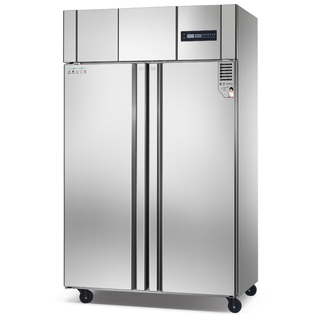
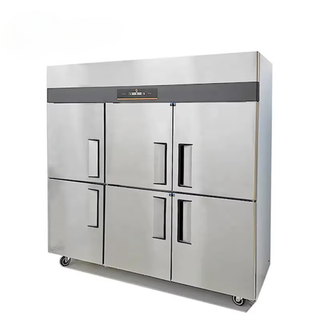
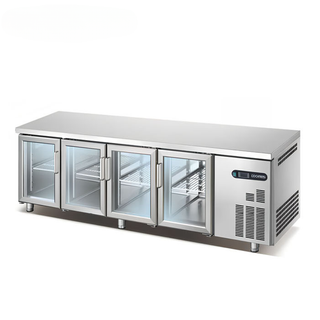
Sized so the morning delivery goes in once and lasts the day: milk, syrups and back stock in one reach-in rather than three trips to a store room.
Stainless Steel 304
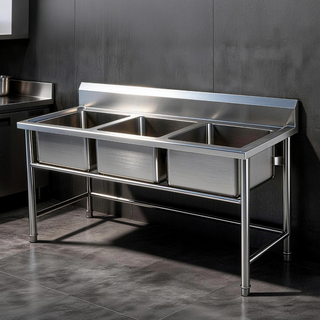
Jugs, portafilters and everything a machine will not take go through wash, rinse and sanitise here, and an inspection asks about it by name.
1000W
For the toasted and savory side of the menu — 1000 W is enough for a counter that heats rather than cooks.
Coffee grounds and milk-run waste are wet and constant, and a café bin behind the counter is the first thing to smell. A counter-scale disposer keeps the back of house dry between collections.
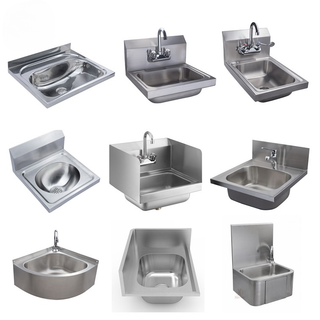
Hand sinks behind the bar and in the back. A barista handles cash and milk in the same minute, and an inspection counts stations, not sinks.
201 Stainless Steel
A glasswasher cannot turn plates around at brunch, which is the one service in a coffee shop that produces crockery in volume.
A coffee shop buys pastry frozen and bakes to the day's guess, and the freezer makes a wrong guess cost nothing.
Air cooling
Brunch is the only service a coffee shop runs that needs a build line, and for three hours on a Saturday it needs it badly.
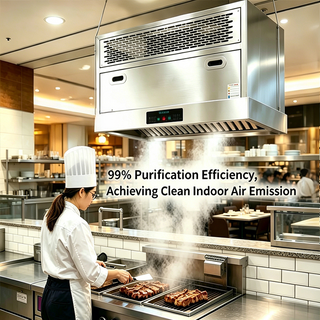
Ductless extraction over the food side, for a site that cannot run a duct to the roof.
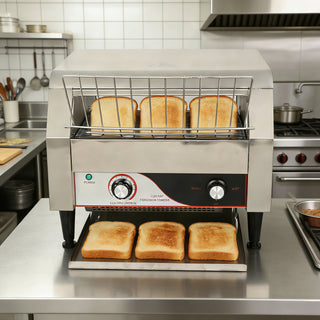
Conveyor toaster for toasties and brunch bread, at a pace a pop-up toaster cannot match.
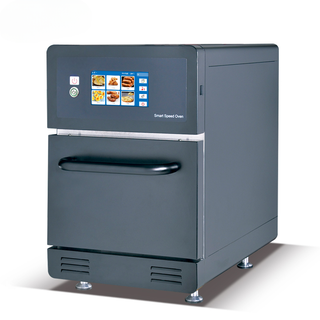
A speed oven heats a pastry through in under a minute without turning it to rubber.
Six eggs at once, if the menu goes past pastry into brunch.
40*60cm (15.75*23.62in)
The board over the counter is the menu — nothing is handed to anyone in counter service. Ten panels cover espresso, filter, food and the seasonal rail.
A coffee shop's first trade is at seven in the morning in the dark half of the year, which is when the fascia and the door and window plates are doing all the work.
40x40x40cm(15.75x15.75x15.75in)
A rotating four-sided cube on the pavement that cycles your morning pastry offer and afternoon iced drinks — worth it if the shop sits back from foot traffic and needs to pull passers-by in, but a room already on a busy corner won't miss it.
Double Sided / Rechargeable
Today's brew goes on the pavement board, which in a specialty shop changes more often than the menu behind the counter does.
The wall behind the bar is the most photographed square metre in a coffee shop, and neon is what makes it read in a picture taken at eight in the morning.
1-Color / Standard Optics 15°
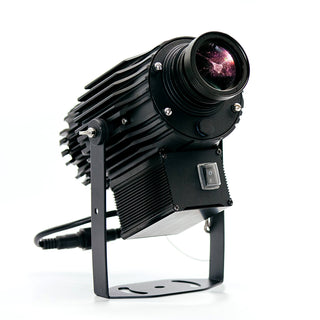
Throws your logo onto the pavement from up to 80 m away, which catches the walk-past at eight in the morning before anyone reads the window. Active cooling lets it run all day, though it is signage theatre rather than something the doors depend on.
1-Color
Throws your logo onto the pavement or the wall by the door — the kind of quiet signage that pulls in the morning walk-past without a lit box in the window. A specialty room only needs it if the frontage has a dark spot worth claiming.
Takeaway cups carry your name, so they are a branding decision rather than an equipment one — the same goes for the plates a pastry goes out on. We print and stock both, and price them with the rest of the order.
Catalog prices at the quantities listed, excluding shipping, duties and installation. Send a request and we confirm current pricing and lead times for your build.
Request received
We are pricing the setup now and will come back with a quote and lead times, usually within one business day.
That did not go through
Something broke on the way to us. Try again, or write to sales@barequip.pro and we will pick it up from there.