

Korean BBQ and grill restaurant equipment built around the table: downdraft extraction in the tabletop itself, a slicer that decides the cut, and a kitchen sized for twenty side dishes a day.
Every other format extracts at the ceiling. This one cannot: the fire is at the table, in front of the guest, and by the second sitting a canopy has lost. Downdraft tables are the format, and the rest of the list is sized around them — a slicer that sets the thickness of the meat, refrigeration split so raw and banchan never share a door, and a prep line that produces twenty side dishes before service.
Quantities assume a 12-table room. Tableware, grill accessories and banchan dishes are picked separately, since they set the look of the table. Send your floor plan and the covers you expect, and we adjust the counts before quoting.
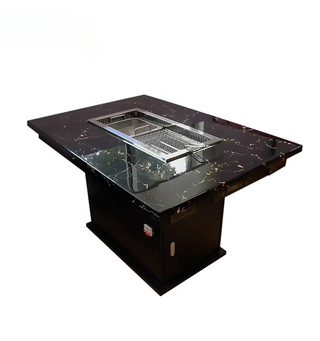
Tables with the extraction built into the table, pulling downward. This is the format: without downdraft the room fills with smoke by the second sitting, and no ceiling canopy fixes that.
Oval Platter
On a Korean table there are more bowls than plates: rice, stew and soup all arrive in one.
Divided trays for banchan service — the format the side dishes are actually laid out in.
Stainless tables for the second room or the private booths — same extraction, plainer finish.
Ten benches lines the walls of a normal room, and a booth is where a group settles in around a grill for two hours.
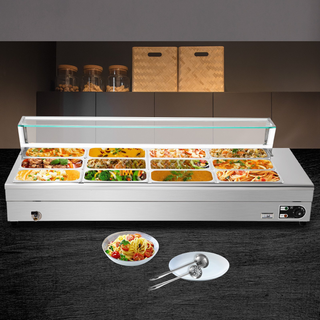
The side dishes are free and refilled, which makes banchan a holding problem rather than a cooking one. Twelve pans is what holds it.
The grill sits below eye level and it is the centrepiece, so the light has to come down onto the table rather than across the room.
Small bowls for banchan, which arrive by the dozen at every table.
65cm
Steel platters for raw meat going to the table. Steel holds fridge cold all the way to a grill that is already lit, and it is what a Korean table is supposed to look like.
Pink gold / 6sets 24pcs
A Korean table eats stew and rice with a spoon and grilled meat with chopsticks, and both go down at every cover.
QQ-100ml
They are small, they break, and a table goes through them at a rate nothing else on the setting matches.
Marble-top induction tables for a hot-pot section alongside the grill — the same room, a second reason to book it.
6.5-inch speaker for LS-02 white
Extraction fans are loud in this format, and music is what covers them without anybody having to raise their voice.
Runs trays of meat and banchan to the table. In a room where staff are constantly changing grills, the running is the job that gets dropped.
Meat gets ordered in rounds rather than once, so table-side ordering runs continuously and two tills is what keeps up with it.
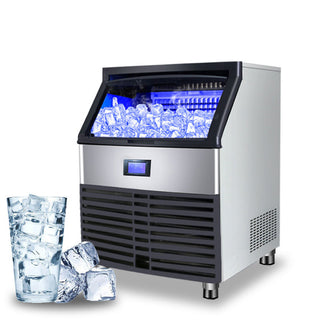
100 kg/24hours
80–120 kg a day for soju, beer and the water service that a room this hot goes through.
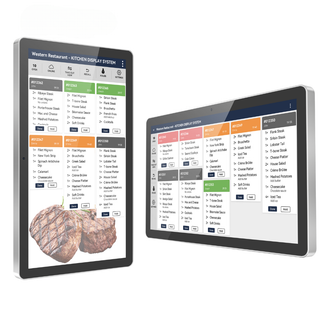
With table grills the kitchen fires raw plates and cooked dishes on two different clocks, and a screen is what keeps them apart.
Rounds of meat get ordered from the table mid-cook, and a runner who walks back to a till loses the next one.
1 Taps
One to four taps at the service point. Beer is the drink this food is eaten with, and it is poured all night.
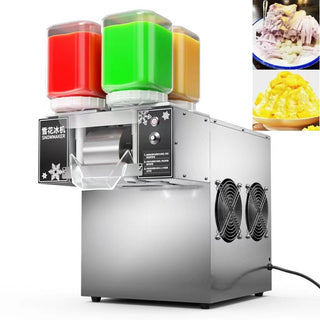
Bingsu is the dessert this format expects, and four barrels is the cheapest second course a grill room can add.
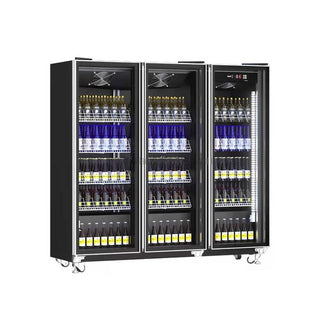
A glass-door bar fridge for soju and beer, which is most of what this format drinks.
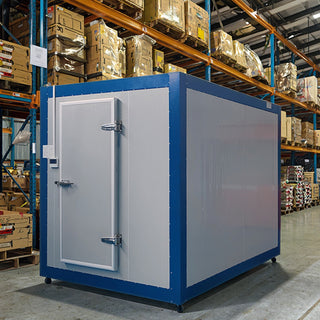
Once meat gets bought by the carcass rather than the case, reach-ins stop being enough to hold a week of it.
Soft drinks poured at the station instead of carried bottle by bottle. A barbecue table orders four rounds of soda across a two-hour sitting.
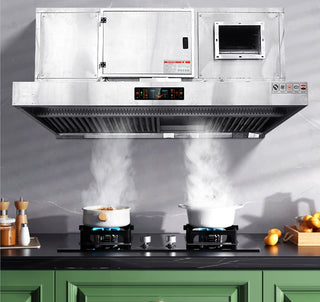
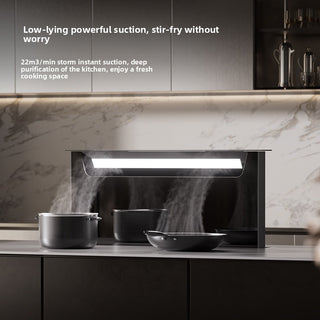
The tables handle the dining room, but the prep line behind the pass still needs its own extraction at 6000 m3/h.
CP-CB36-HD
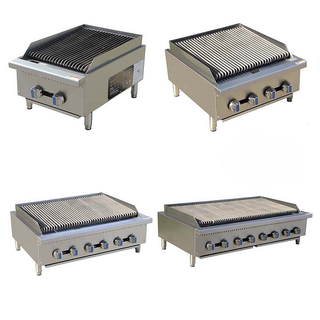
Heavy-duty countertop charbroiler in the kitchen — for the cuts finished behind the pass rather than at the table.
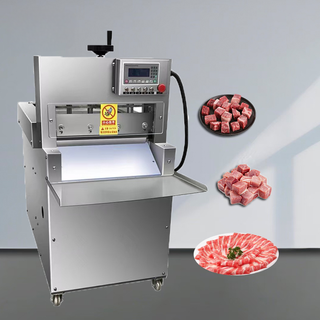
Korean barbecue is sold by the thickness of the slice, and on semi-frozen belly and brisket that is a machine decision rather than a knife one.
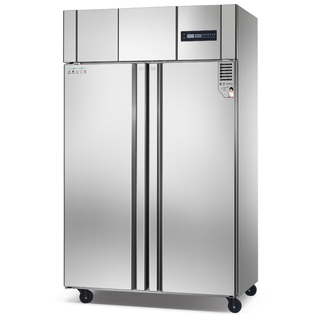
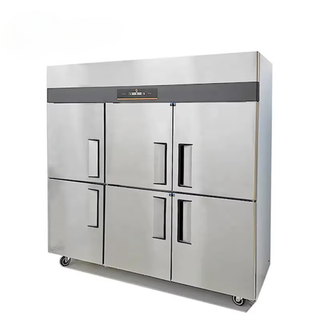
Two double-door reach-ins — one for meat, one for banchan and sauces. Cross-contact is the reason they are two rather than one big one.
Stainless Steel 304
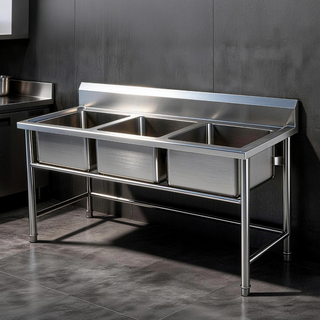
Grills, tongs and the grease trays that come off every table all wash here, and none of them fits a machine.
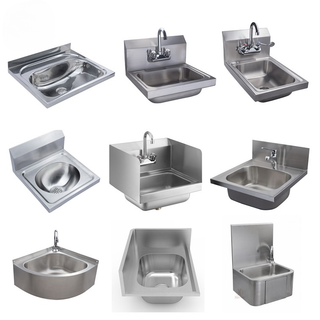
Hand sinks through the kitchen and at the pass — an inspection item wherever raw meat is handled.
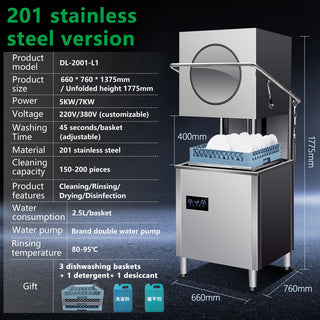
201 Stainless Steel
A KBBQ cover is twenty small dishes and they all come back at once, which is a load a domestic-rate machine never clears.
no ventilation • dual burner induction cooktop
Overhead hoods alone do not clear grill smoke from a room where every table is a grill, so the extraction goes into the tabletop.
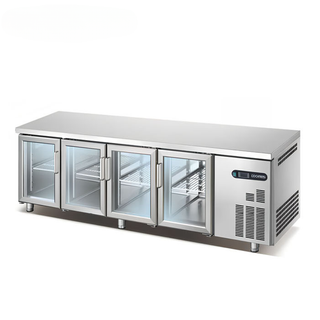
Air cooling
Two cold benches — one for marinating and portioning meat, one for banchan.
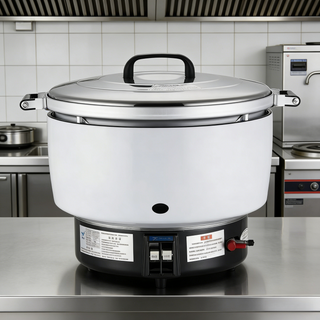
7L
Rice goes to every cover and cannot run out mid-service, which means two vessels on rotation rather than one large one.
YPC-2D-B-3 • 30W
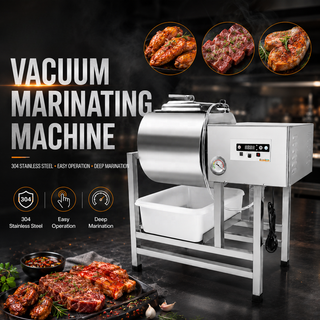
Vacuum tumbling drives the bulgogi and galbi marinade into the meat in under an hour instead of overnight.
300 kg/h
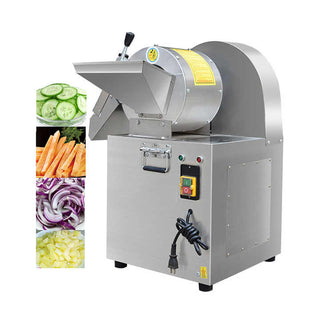
Banchan is a vegetable-prep operation before it is a menu, and 300 to 800 kg an hour is what makes twenty side dishes a day possible.
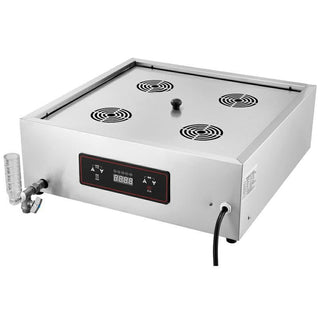
A four-tier countertop steamer for mandu and the steamed sides. They are ordered as an opener while the grill is still heating, so they have to be ready before anything else is.
Meat gets tempered from frozen for the slicer, which makes freezer space the same thing as slicing capacity.
UV cabinet for knives and boards between raw and cooked. A kitchen that slices raw meat all day is where this earns its place.
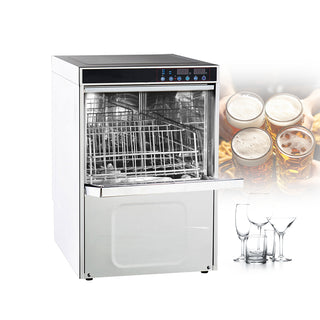
Soju and beer glasses turn constantly here and stay away from the plate wash, which is thirty baskets an hour of their own.
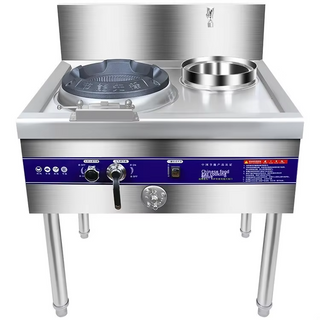
A wok burner for jjigae, banchan and everything cooked in the kitchen rather than at the table.
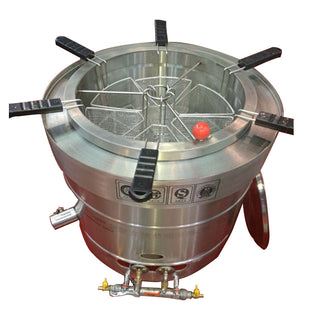
Six baskets for naengmyeon and noodles, which fire at the same moment as the grill orders.
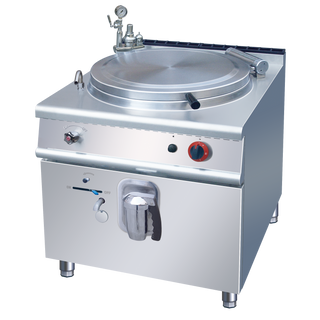
Every soup and stew on the menu starts in this one hundred litres, and it gets made once for the day.
6 rolls
Rolled frozen beef cut to a set thickness. At a barbecue table the cut is the product.
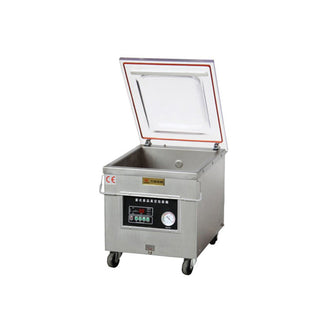
Marinated meat sealed and portioned, which is how a barbecue kitchen preps a day ahead.
3 trays
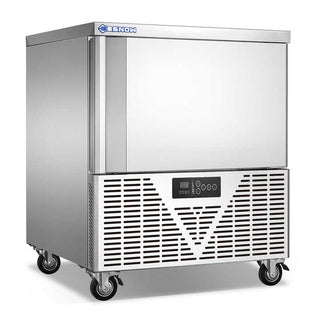
Blast freezing so meat firms up enough to slice cleanly.
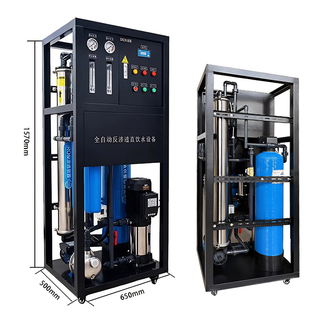
Short-grain rice cooks by absorption, so whatever is in the water ends up in the bowl, and the stock and the ice come off the same line.
60 L smoker for the ribs and pork belly a kitchen preps ahead rather than grilling to order.
Banchan turnover and table scrape arrive as wet waste in volume, and 2 HP on continuous feed takes it without stopping to be emptied.
Mandu cooked in one pass rather than tying up a burner.
Air sterilisation in a room that runs charcoal and smoke all evening.
40*60cm (15.75*23.62in)
Backlit panels over the service counter for the set menus and the meat grades.
Korean barbecue is an evening trade and the room is usually one of several on the same strip, so the fascia and the plates have to win a sightline.
The evening trade decides on the street, and a board that charges itself can stand where that decision gets made.
Double Sided / Rechargeable
Barbecue is sold by the set, and the price of the set is what stops people on the pavement.
In a barbecue room it is the only thing that reads through the smoke at the far end.
It shows the grill without blocking the view into the room, and the view into the room is what actually sells the table.
Catalog prices at the quantities listed, excluding shipping, duties and installation. Send a request and we confirm current pricing and lead times for your build.
Request received
We are pricing the setup now and will come back with a quote and lead times, usually within one business day.
That did not go through
Something broke on the way to us. Try again, or write to sales@barequip.pro and we will pick it up from there.