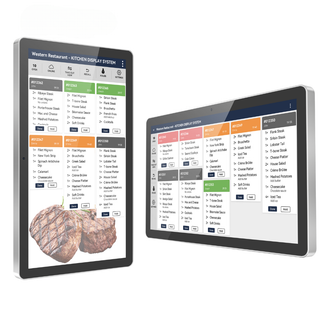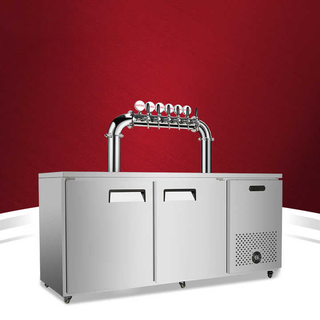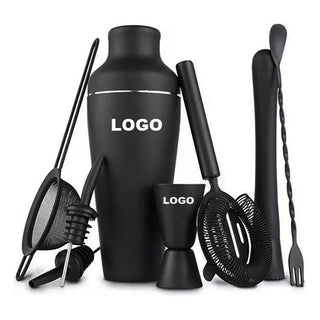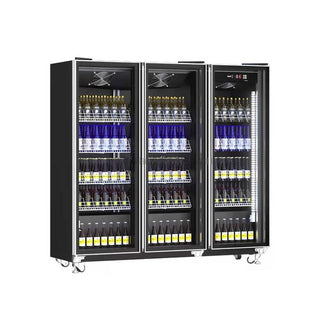


Pub equipment for a kitchen serving a full menu behind a working bar: charbroiler and hot line under extraction, a hood-type dishwasher sized for plates rather than glasses, the cold chain, and the bar station itself.
A gastropub is a proper kitchen behind a proper bar, and it has to run both at once. The setup below is built in that order: the hot line first, then the cold chain that feeds it, then the bar, then the two wash streams that keep the room turning.
Quantities assume an 80-seat room with a single kitchen line and a five-meter bar. Tableware and cutlery are picked separately, since they follow the menu rather than the equipment. Send your floor plan and the covers you expect, and we adjust the counts before quoting.
Pink / 63 - 85cm
A pub without stools at the bar is a restaurant with beer taps, and the rail is where the regulars sit.
Dining Chairs
A pub serving a Sunday roast needs proper covers rather than the high tables the drinking half stands at.
Gold
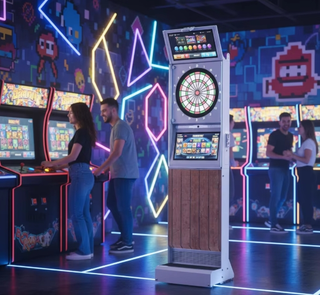
A dartboard keeps a table occupied and drinking between rounds, which is the whole reason a pub has one.
Upholstered banquette runs, built to your dimensions. Booths seat more people per square meter than loose tables and they turn a noisy room into a comfortable one.
6.5-inch speaker for LS-02 white
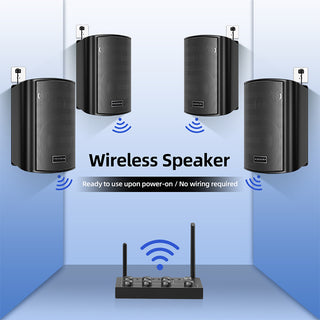
50 W wall speakers across one wireless zone — even coverage at a volume that sits under conversation.
A / 250mL
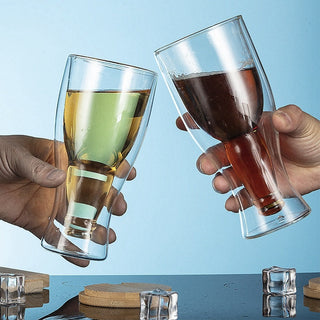
Double-wall glasses for the tasting boards and flights. The wall holds a third of a pint at temperature for the twenty minutes a flight of four actually takes to drink.
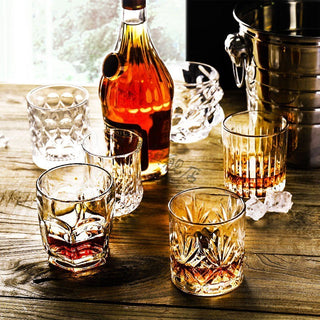
Tumblers for spirits and soft drinks — the glass a pub loses most of.
Big screens for match days, which are a pub's best trading hours of the week.
Bowls for soup, for pie and mash, and for the sides. A pub kitchen sends more in a bowl than most people expect it to.
Pink gold / 6sets 24pcs
A pub serving a Sunday roast needs a proper knife and fork on the table rather than bar cutlery.
28cm black
Four pints across a full room without a second trip. The grip face is what earns it on a floor that has had beer on it since six.
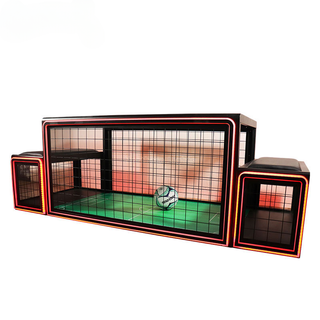
Sit-down foosball for the corner the screens do not reach.
Linear pendants over the tables put light on the plate and leave the room dark around it, so the dining room reads at night.
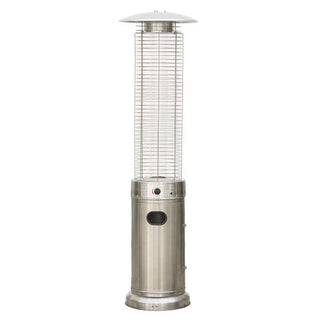
Glass-tube heaters for the garden and the front terrace, which is where the covers go once the room is full.
Liquid Curve Glass
A pub's spirits shelf is the quiet half of the take, and nobody orders a twelve-year-old to drink it out of a tumbler that came with the mixers.
A cocktail-table arcade cabinet: a two-top that also takes coins. It fills the corner a pub cannot seat properly and gives the people in it a reason to stay past one drink.
Beer pong tables for the function room and for the nights the pub is booked out.
Dual-screen terminals with built-in printers, at the bar and the pass. Standard Android POS software, so you are not locked to one vendor.
200 cm
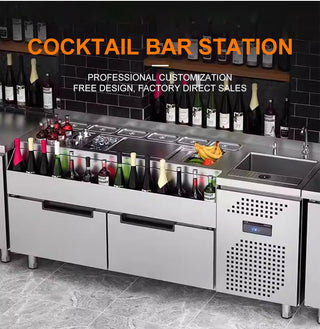
Refrigerated wells, bottle pockets and an ice bin built to your counter length — the bar half of the room, sized to run alongside the kitchen.
100 kg/24hours
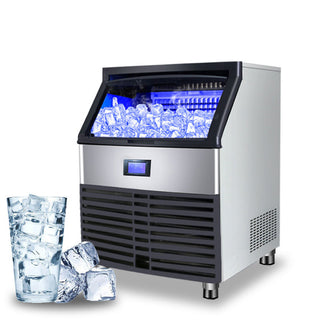
Eighty to a hundred and twenty kilos a day. A pub uses less ice than a cocktail bar and still runs out on the first warm Saturday if it sized the machine for winter.
Faucet only
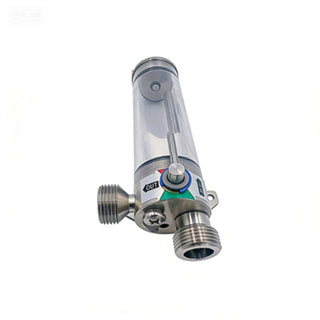
A pub that cannot pour a proper stout is missing a whole category off the wall, and stout needs a restrictor plate to pour at all.
In a pub the bar takes the food order, and the ticket has to reach the kitchen intact across a room that is already loud.
Handhelds for the floor — orders fired from the table land in the kitchen before the waiter has walked back.
4 Taps / Stainless Steel
Four, six or eight taps with the kegs cold underneath — the fastest route to draft without building a cellar.
Black - Shaker
Full bartender kits plus spares, so the cocktail side of the menu is not run out of one shaker.
Black
A pub wine list dies of oxidation more often than of poor buying, and argon is what lets you pour something worth ordering by the glass.
Bottles and cans sit in the guest's eyeline and hold temperature through a night of door-opening, which is more than a static cooler manages.
6 taps • Model A / 110V 60Hz
A pub with four taps is a bar; a pub with ten is a pub, and the second cabinet is what gets you there.
6 TAP
A T-style tower on the bar top, because the room decides what to order by reading it from across the floor.
Spare brass faucets, because they come off for cleaning every week.
Without them every keg change costs a pint per line, and a busy pub changes kegs mid-service.
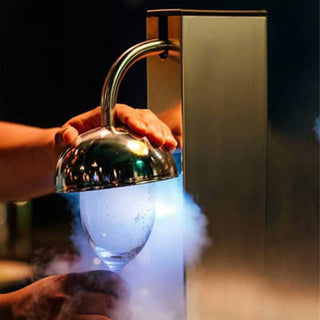
A froster for the lagers that are served properly cold.
CP-CB36-HD
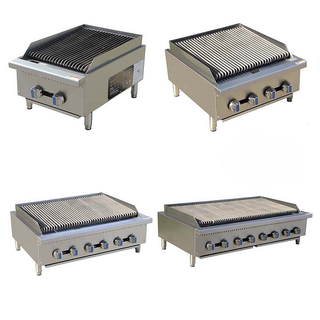
Countertop char grill with heavy grates that hold heat through a service. Steaks, chops and everything the menu describes as grilled start here.
201 Stainless Steel
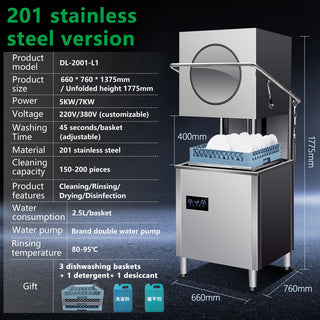
On an eighty-seat room this machine sets the pace of the whole second half of service, at a rack a minute.
Air cooling
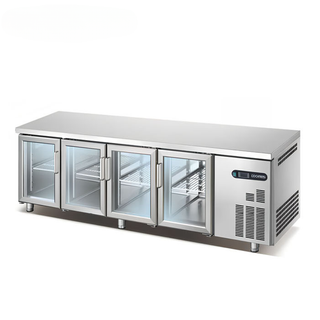
Mise en place stays in reach of the pass rather than two steps away in a fridge, which on a pub line costs a whole ticket every time somebody walks.
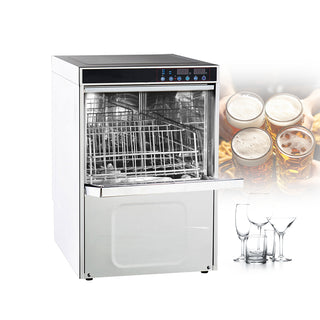
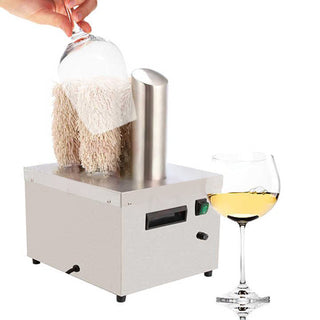
Glass returns clear from a dedicated machine, which a plate washer does not manage, and thirty baskets an hour keeps the bar in stems.
Overhead salamander for finishing, glazing and melting — the piece that turns a plated dish into a served one in twenty seconds.
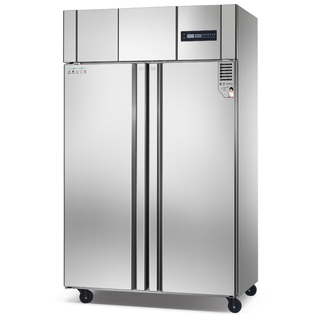
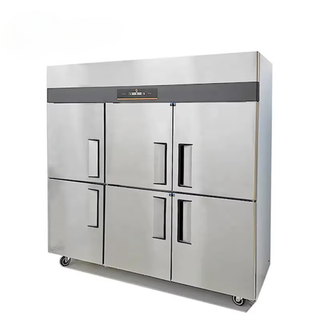
Sized so a delivery goes away in one go, which in a pub means the cellar man is not still stacking at opening time.
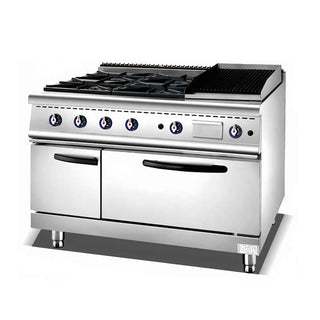
Four burners, a lava-rock grill section and an oven underneath. The all-purpose block a brasserie menu is actually cooked on.
Stock, fries and the frozen half of a pub menu, which is a bigger half than most pub menus admit to.
Stainless Steel 304
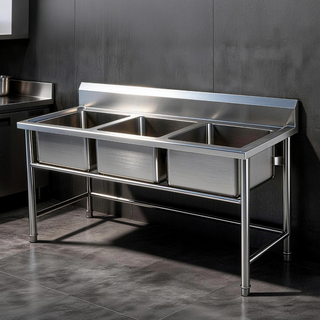
Pots and everything a machine cannot take wash here, and inspectors ask for this fixture by name.
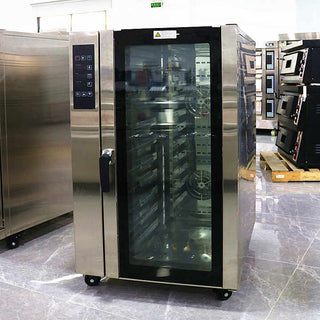
Eight trays of combi cooking with steam — roasts, regeneration and batch cooking without tying up the range.
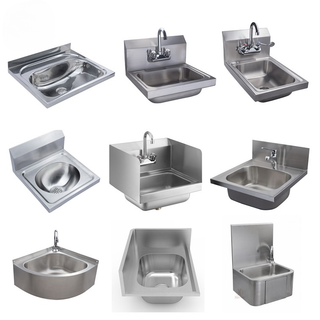
Hand sinks on the line, at the bar, in prep and by the wash-up. The fixture most often missing at a first inspection.
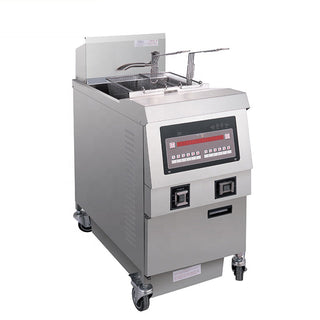
Two 25-liter wells so fries and everything else keep their own oil. A single well is the bottleneck every pub kitchen hits.
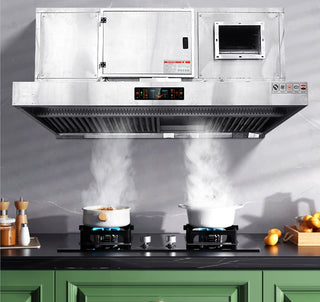
A kitchen this size does not get signed off without 6000 m3/h over the line, which makes it a licensing item rather than a comfort one.
850 W slicer, 3 to 8 mm — charcuterie, cooked meats and the sandwich side of a brasserie menu.
3 trays
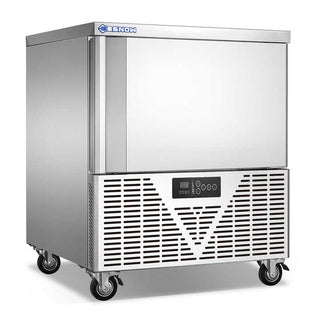
Three, five or ten trays of blast freezing for batch prep and stock rotation. It is what makes cooking ahead safe rather than risky.
A pub kitchen peels and trims all day and cannot stop to empty bins during service. Continuous feed means the pot wash keeps moving while the line is running.
A pint in a smeared glass looks flat before anyone has tasted it, and polishing by hand at the end of service does not happen.
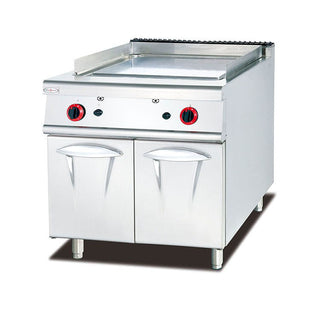
A flat griddle for the burger and breakfast side of the menu.
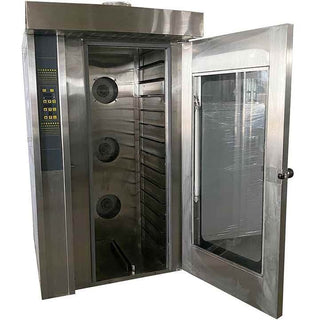
A convection oven beside the combi, for pies, roasts and the volume of a Sunday.
35 L/min
A pub fryer runs all day, and unfiltered oil tastes of yesterday by six in the evening.
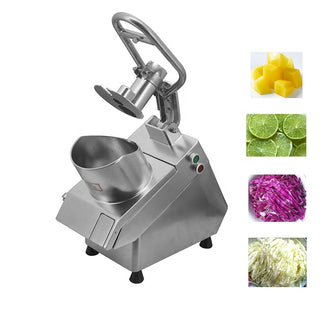
Vegetable prep by machine for a Sunday service. A roast is three hundred portions of root vegetable prepared before eleven, on the one day a pub kitchen has no spare hands.
A chilled rail on the build line for burgers and sandwiches.
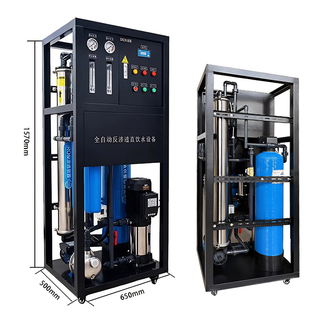
Hard water leaves a film on a pint glass, and a film is what kills the head before the glass reaches the table.
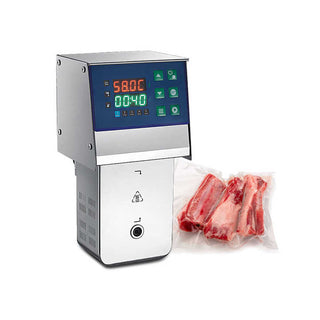
2000 W sous-vide for cheek, brisket and everything that needs eight hours before service rather than during it.
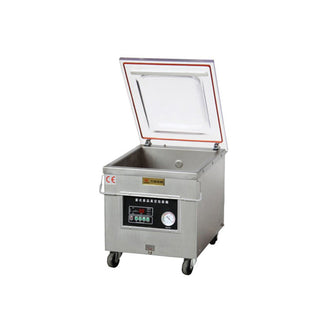
It pays for itself in wastage before it pays for itself in technique, and the sous-vide bags come off the same machine.
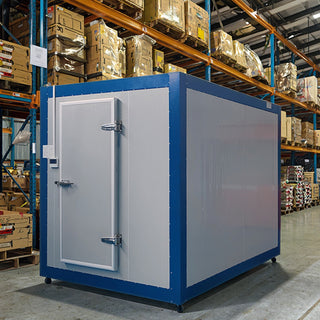
Cold storage — a pub stores kegs, and kegs need a cellar or a cold room.
A pub gets approached from two directions and is lit from neither by default, so the door and the garden gate each get a plate.
The corner or the car park entrance is where a passing car decides, and there is no power at either.
Everyone sits facing the light behind the bar, and it ends up in every photograph taken over a pint.
Double Sided / Rechargeable
Today's guest ale and the Sunday roast go on the board outside, which are the two things a pub changes weekly.
1-Color / Standard Optics 15°
A weatherproof logo projector for the pavement and the garden wall. A pub garden is dark brick and fence panels after nine, and this is what makes it read as part of the premises.
1-Color
A projector ships blank, so the artwork is what puts the pub's name on the wall or the pavement.
A projector for the big fixtures, when two screens are not enough.
Plates, cutlery and glass follow the menu and the room, not the equipment list — a brasserie plate is not a pub plate. We stock the range across forms and price it with the rest of the order.
Catalog prices at the quantities listed, excluding shipping, duties and installation. Send a request and we confirm current pricing and lead times for your build.
Request received
We are pricing the setup now and will come back with a quote and lead times, usually within one business day.
That did not go through
Something broke on the way to us. Try again, or write to sales@barequip.pro and we will pick it up from there.