

Winery equipment for the working side of the cellar: the bottling line from filler to corker to labeller, the packaging bench behind it, and the water, cold and waste handling the building runs on. The cellar door is a different list — that one is the wine bar.
The production half of a winery, and only that half: bottling, closing, labelling and the plant utilities around them. A tasting room is a different room with a different list, and it is the wine bar setup.
Quantities assume a small-batch cellar bottling its own fruit rather than a contract line. Tell us your annual volume in bottles and whether you close under cork, screwcap or both, and we size the filler, the closure machine and the cold side against it before quoting.
Bottling is the one day the whole vintage passes through a single machine. A piston filler holds fill height consistent, so a case does not look uneven on a shelf.
Drives the cork home on bottles the filler has just topped up, so a batch racked in the morning can be closed the same afternoon.
150L
Clean-in-place for tanks, presses and lines. Cleaning a winery by hand is how a vintage picks up a fault.
It is the last chance to catch anything before the cork goes in, and a winery bottles once a year.
Jacketed stainless vessels for settling, blending and holding wine before bottling.
4 inlet and 4 outlet
Fermentation temperature is the single biggest decision a winemaker controls, and glycol on the tanks is what makes it a decision rather than a hope.
Multi-head diaphragm filler — fills several bottles a stroke rather than one, which is where a bottling day stops being a week.
Carries bottles between the filler, the corker and the labeller — what turns three separate benches into one line.
Stainless fermenters for small-lot and single-vineyard batches kept separate.
A larger glycol plant for harvest, when every tank is working at once.
Carbonation measured rather than guessed, for pét-nat and sparkling lots.
A winery is judged on its label before anyone opens it. Desktop application keeps front and back aligned on a round bottle, which hand-applying does not.
Lot code and bottling date, required on every bottle for traceability. 600 dpi stays legible on dark glass where a cheap coder smears.
Closes the screwcap half of the range and the shaped capsules a corker cannot handle.
A capsule over the cork is what makes a bottle look finished on a shelf, and a bare cork reads as a home job.
Lot and bottling codes on the glass — required, and the first thing an importer checks.
Automatic feed for a cellar door that has outgrown labelling by hand between tastings.
L-bar sealer and shrink tunnel for gift packs and six-bottle cases.
A winery ships most of its year in a few weeks, and a pallet that shifts in transit arrives as breakage.
Printed box for the two-bottle sets that gift and export orders ask for.
Bench-top banding for the small runs: trade samples, club cases and the boxes that go out between the big despatches.
A can seamer, if part of the production goes into cans for the on-trade.
Tastings, trade visits and the direct sales a winery makes at better margin than the trade ones all leave by hand.
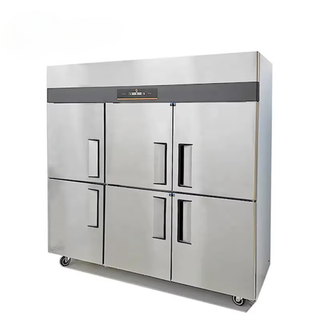
Must, juice and finished wine all spend time cold, and a winery's calendar has one week where everything needs it at once.
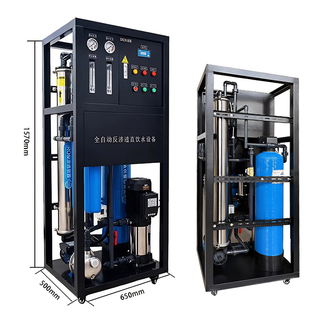
250 L/h reverse osmosis for tank and line cleaning. Mains water leaves what it carries behind in a tank.
Brettanomyces lives in a building, not on a surface, and travels through the air. Treatment is cheap next to a tainted vintage.
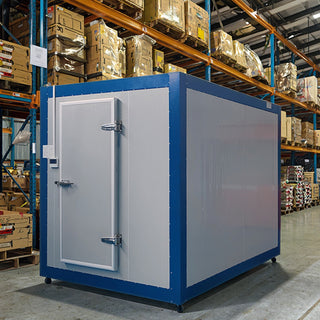
Modular walk-in for cold stabilisation and finished-stock storage.
Rinse water for tanks, hoses and bottles passes through it before it ever touches wine, and UV leaves nothing behind to taste.
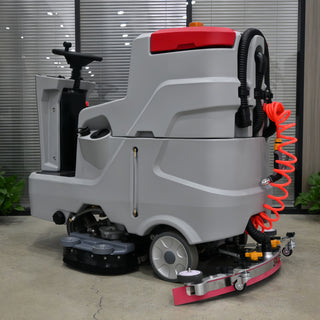
A winery floor is wet and sticky from harvest to bottling, which is four months of mopping nobody does properly.
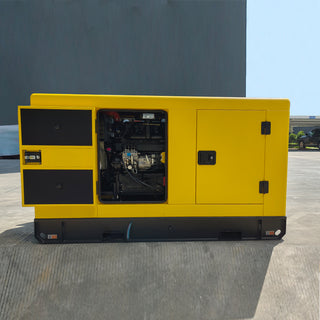
A tank that loses cooling during ferment loses the lot, and a power cut does not wait for the vintage to finish.
40 ton
Harvest arrives as pallets of cardboard; baling it is what keeps the yard walkable through the busiest six weeks.
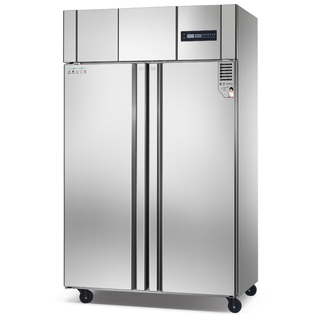
A winery's yeast decision gets made months before it is used, and it holds only if it never warms up.
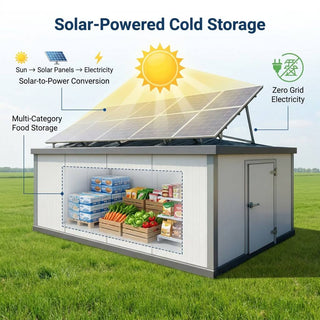
A cold room for finished pallets, running on its own solar rather than the cellar supply.
Pomace shredded before it leaves the site. After harvest there is a lot of it.
Laser floor marking for forklift lanes on a wet cellar floor.
Catalog prices at the quantities listed, excluding shipping, duties and installation. Send a request and we confirm current pricing and lead times for your build.
Request received
We are pricing the setup now and will come back with a quote and lead times, usually within one business day.
That did not go through
Something broke on the way to us. Try again, or write to sales@barequip.pro and we will pick it up from there.