

Seafood restaurant and raw bar equipment where the display is the product: ice in volume, refrigerated prep, blast chilling, and the wash-up a shellfish service generates.
A seafood room with a raw bar at the front of it. The ice display is the shop window and the grill is the kitchen — two very different pieces of equipment carrying one menu, with a cold chain and a shell-waste problem sitting between them.
Quantities assume an 80-seat room with a six-seat raw bar. Oyster plates and fish knives are picked separately. Send your menu and floor plan and we adjust the counts before quoting.
Oyster / S Size
Serving oysters on a flat plate is how they end up in somebody's lap, and the dished form is what holds a shell and its liquor.
Black / 7 PCS
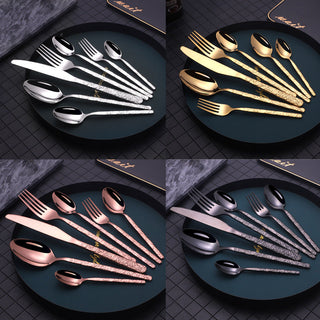
Small plates at a serious price need a fork that tells the guest which kind of room they have walked into.
High Red Wine Glass
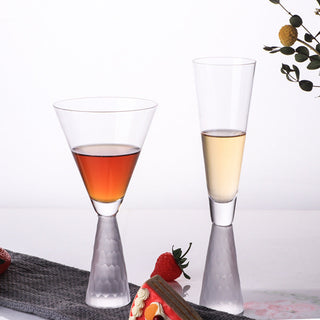
A raw bar sells more white and champagne by the glass than anything else, which makes the stem the most-used item in the room.
Dining Chairs
A raw bar is half counter and half tables, and the tables are where the wine and the platters go.
White / Short
Half this format's covers sit at the counter watching the shucking, which is the show they came for.
7 Inches Red Grapefruit
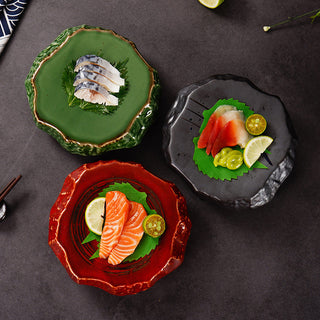
A slice of raw fish is dressed with a drop of oil and nothing else, so the plate under it does all the presentation there is.
8 Inch
Shell plates for the oyster and clam courses. Nacre reads as the sea under low light, and a raw bar sells half its plates on how the first one looked.
28cm black
Trays for carrying plateaux and full glasses across the floor.
190 ml
Borosilicate sea urchin glasses for the cocktail list, which in this format is themed on purpose.
Aimable spots over the ice display, which is the room's shop window.
6.5-inch speaker for LS-02 white
A raw bar is a quiet room with a loud counter — shucking, ice being broken — and the music is what balances the two.
Upholstered banquettes for the dining half of the room. The counter is for the shellfish and the walk-ins; the booths are where a table orders a plateau and a bottle.
Shell glasses for the signature serves. A raw bar's cocktail list is short and themed, and the glass does the work the menu description would otherwise have to.
Two stations — one at the raw bar, one at the pass. A shared till across both is what puts an oyster order behind a full dinner check.
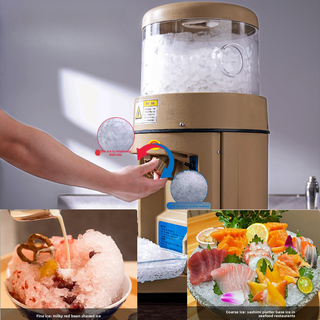
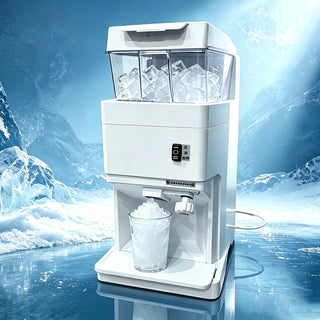
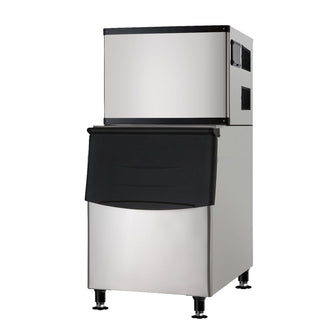
100 kg/24hours
Ice here is a display material rather than a drink ingredient, and the daily number surprises everyone in the first summer.
Ice alone melts through a service and the produce ends up sitting in water. Refrigeration under the ice holds a bed all night without a rebuild between sittings.
Guests buy what they can see on ice, and this is the counter that holds it at the level they look from.
The display gets rebuilt twice a day, and doing that on bought ice means a sack delivery every morning.
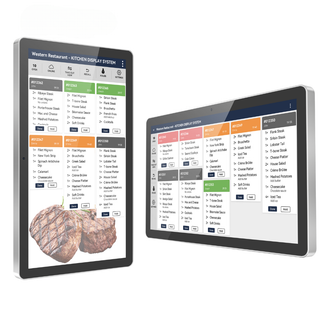
The raw bar and the hot kitchen fire the same table on different clocks, and a screen at each is what lands it together.
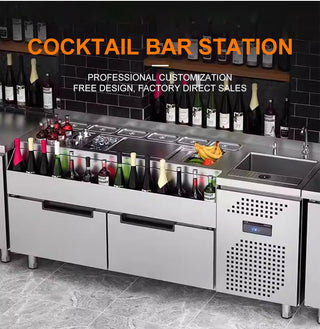
200 cm
Refrigerated wells and ice bin built to your counter length — the working line for the bar half of the room.
Orders arrive in rounds of half-dozens, and the bill changes three times before anyone asks for it.
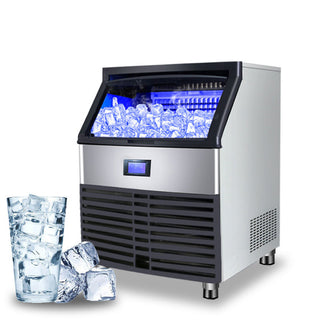
Cubes do not make a display bed: shellfish rolls off them and the tray drains unevenly. Six kilos a minute of crushed keeps the bed rebuilt.
Black
A seafood list is white and sold by the glass, and those are exactly the bottles that will not survive an open night.
Five refrigerated pans behind curved glass for crudo, ceviche and the dressed plates that sit beside the shellfish.
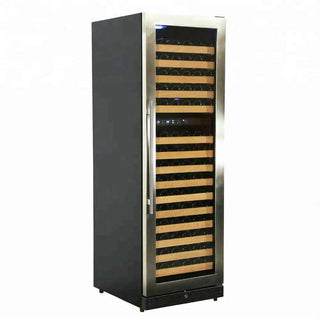
A hundred and sixty-six bottles across two zones, held on the floor. A seafood list sells whites and champagne fast enough that the cellar stock has to be in the room, not two doors away.
Four hundred and fifty kilos a day feeds the display, the bar and the kitchen.
Fifty-nine bottles at two temperatures behind the raw bar itself. The shucker is also the person pouring, and a bottle fetched from the dining room costs the queue at the counter.
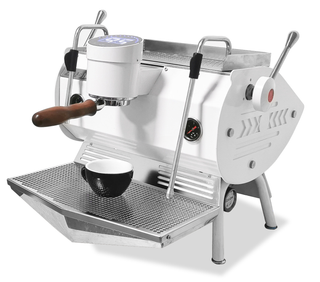
2-Group
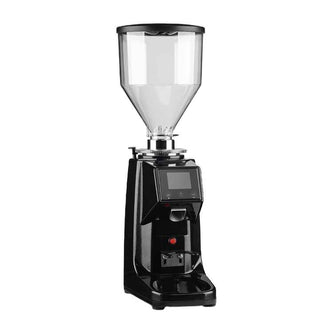
A seafood dinner finishes without dessert more often than not, which makes coffee the last thing on the ticket.
Few tables here order dessert, which makes the last impression a cup rather than a plate.
Air cooling
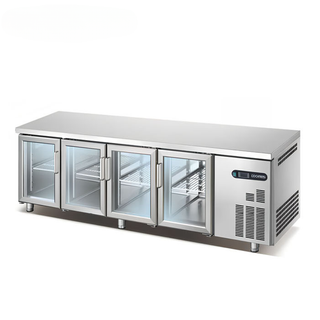
Refrigerated worktop for filleting and portioning, with the day's stock under it.
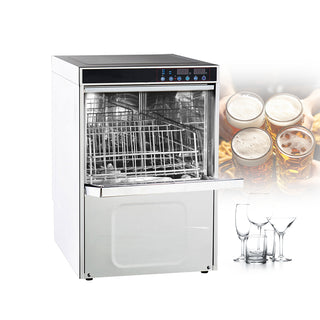
Front-loading glasswasher on a short cycle for a room that turns stems all night.
CP-CB36-HD
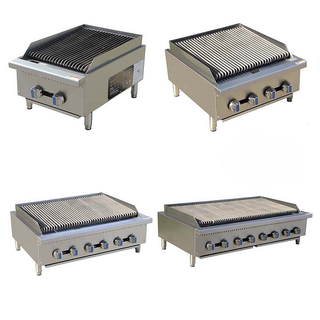
Whole fish and shellfish over open flame is the second half of this menu and the half that sells in winter.
201 Stainless Steel
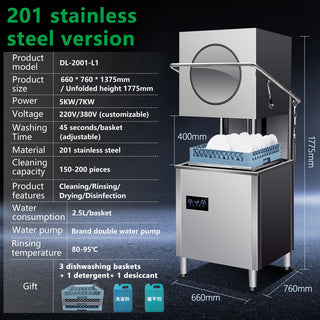
Plates, trays and shellfish platters through a hood machine. A raw bar's platters come back with ice melt, shell grit and lemon, which is the one load a glasswasher cannot take.
Stainless Steel 304
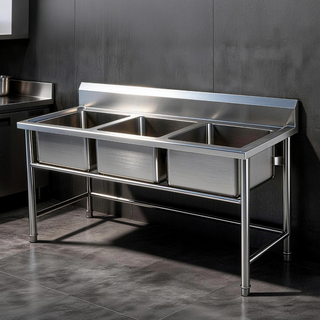
Shellfish handling is the first thing an inspector looks at in a raw bar, and the three-bowl sequence is what they look for.
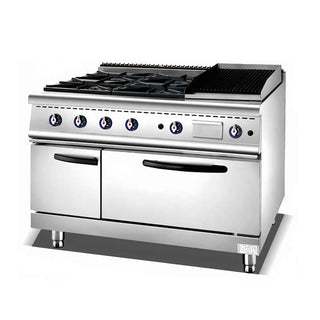
Four burners, a lava-rock grill and an oven under it — sauces, steaming pots and the section that is not on the grill.
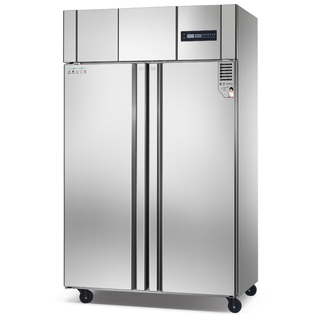
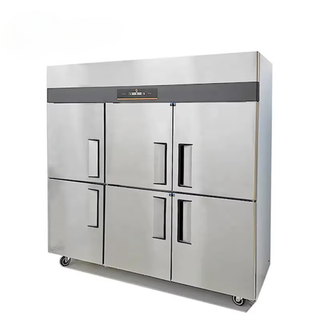
Whole fish comes in and gets broken down in house, so the reach-in holds it on ice alongside the day's mise.
3 trays
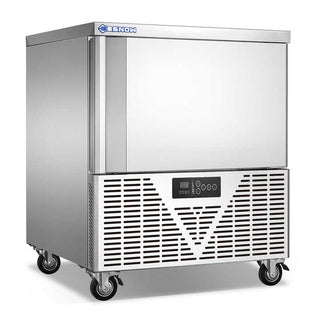
Many markets set a time-and-temperature rule before raw shellfish or fish is served, and a reach-in freezer does not reach it. Check the rule where you open and size to it.
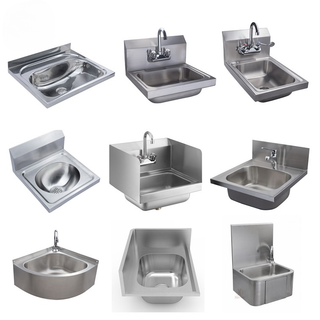
A shucker's hands move between live shellfish and finished plates all night, and five sinks is what keeps that out of a prep sink.
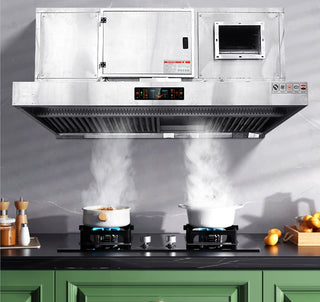
Six thousand cubic meters an hour over the line. Fish over open flame is the smell test a dining room fails if extraction is undersized.
A shucker gets through a handful in a service between breakages and blades gone dull, so six covers a night rather than sitting in a drawer.
A filleting knife with the flex a whole fish needs.
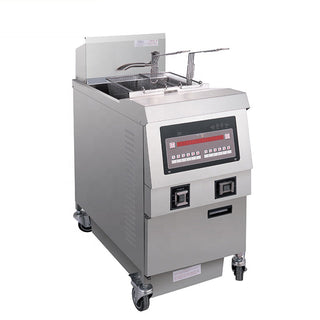
Double 25-liter tanks for fried fish and calamari, with the tanks separated so the oil does not carry flavor across.
Wet shell and trim come off the counter by the bucket, and that is the waste stream that starts to smell first.
The frozen half of the menu and the ice packs the display runs on both sit here, and the display is the part that empties fastest.
A UV cabinet for shucking and fillet knives between services. Both go from live shellfish to a plate that is eaten raw, with no cooking step in between to cover a mistake.
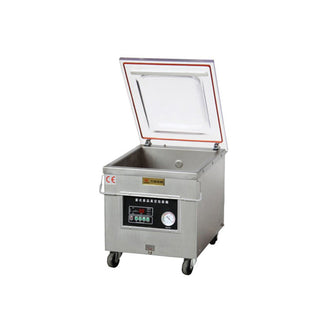
Shelf life without freezing is what lets a room buy whole fish and portion it in house rather than ordering to the day.
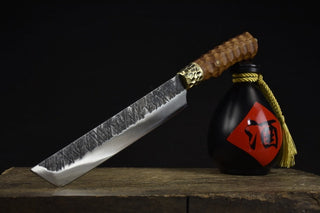
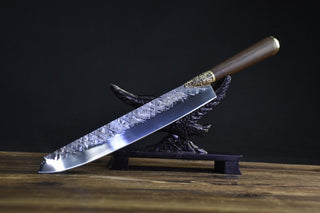
A yanagiba for the crudo and sashimi cuts. A single long draw leaves the face of the fish smooth — a sawing cut tears it, and on a raw plate that is visible from the other side of the table.
A heavy double sink for washing shellfish, which is a job the wash-up sink cannot also do.
Steaming for mussels, clams and everything that opens rather than sears.
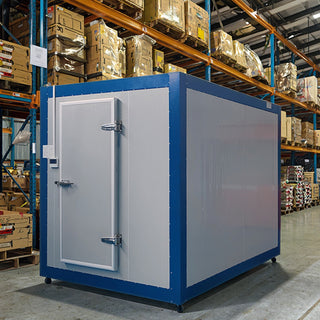
Seafood arrives daily and has to go somewhere cold immediately, and a delivery at six in the morning cannot wait for space.
In a raw bar ice is a serving surface rather than a coolant, so it ends up on the plate the guest eats from.
Top heat for gratin, grilled shellfish and finishing. Oysters Rockefeller and a grilled lobster both need fierce heat from above for ninety seconds, which an oven cannot deliver mid-service.
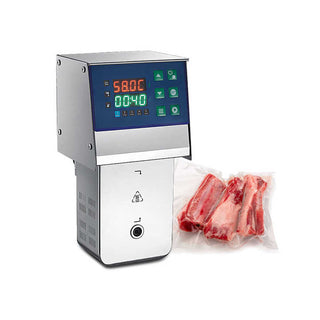
Sous vide for octopus and the prep-ahead dishes that would otherwise own the range all afternoon.
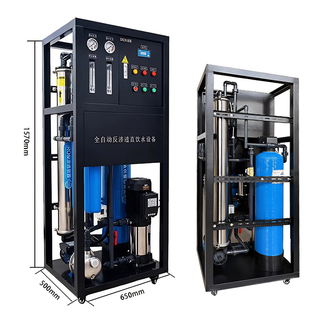
1000L
A jacketed kettle for bisque and shellfish stock made from the shells you already paid for.
Nothing on a raw bar gets a kill step, which puts the air above the bench inside the food safety plan rather than outside it.
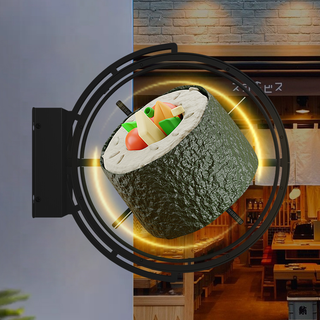
Deliveries arrive at dawn and guests arrive at night, and both have to find the right door.
What came in this morning is the one thing worth writing daily on a seafood room, and the board carrying it charges itself.
Neon over the raw bar itself — the counter every photograph taken in the room is aimed at.
Double Sided / Rechargeable
Today's catch is the one claim a raw bar can put outside and prove by ten o'clock the same morning.
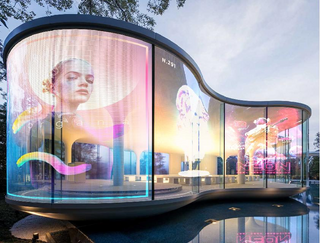
Panels inside the glass, so the window still shows the ice display by day and carries today's catch after dark.
A floating image in the window — a plateau, turning. A raw bar's product is the least familiar thing on the street, and this shows it before anyone reads a menu.
Oyster plates, shucking and fillet knives, seafood tools — these are picked by whoever is working the raw bar, and the plate shape follows the shellfish you actually get locally. We stock them; tell us what you settled on and we price them with the order.
Catalog prices at the quantities listed, excluding shipping, duties and installation. Send a request and we confirm current pricing and lead times for your build.
Request received
We are pricing the setup now and will come back with a quote and lead times, usually within one business day.
That did not go through
Something broke on the way to us. Try again, or write to sales@barequip.pro and we will pick it up from there.