

Sushi restaurant equipment where fish safety is the constraint — blast freezing to the temperature the rules ask for, a curved-glass counter display, refrigerated prep and the warewashing behind it.
A sushi counter, built around the two things that actually decide whether the room works: a refrigerated case that holds fish at the counter without drying it, and a cold chain strict enough that raw service is defensible.
Quantities assume a 40-seat room with a ten-seat counter and a small hot section. Knives and sushi ware are picked separately — those are the chef's choice, not ours. Blast freezing before raw service is a legal requirement in many markets and the rule differs by country; check the one that applies where you open.
Style 1
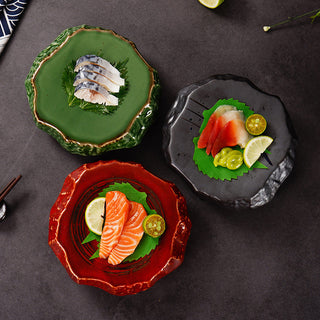
A piece of nigiri is two ingredients and no sauce, so the plate is the only thing on the table doing any decorating.
7 Inches Red Grapefruit
Raw fish is dressed with nothing at all, which leaves the plate to do the presentation. A sushi bar buys plates before it buys garnish.
Dining Chairs
A sushi room sits half its covers at the counter, so the tables are for the groups and set menus the counter cannot hold.
White / Short
The counter holds this format's best seats, and a stool is what makes them sellable at a premium.
White
The angle holds a piece where the guest can see the cut face, which is the part being judged.
Oval Platter
Bowls for miso, rice and donburi — the cooked half of the menu that pays the bills between omakase seatings.
serving tray 39*25*4
A sushi set is six or eight items that have to arrive as one composed thing rather than as six separate plates.
Heat-resistant glasses for green tea and cold drinks at the counter.
Booths for the groups and the set menus. A four-top ordering a sharing platter cannot sit at a counter, and that order is twice the ticket.
Aimable spots over the counter and the tables. Raw fish is judged on colour.
6.5-inch speaker for LS-02 white
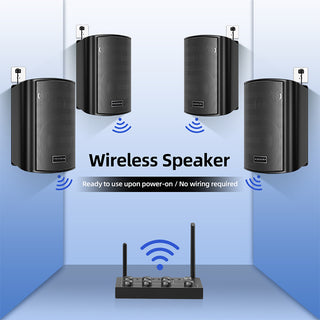
A sushi counter is quiet work, and the music is there to give guests permission to talk without filling the room.
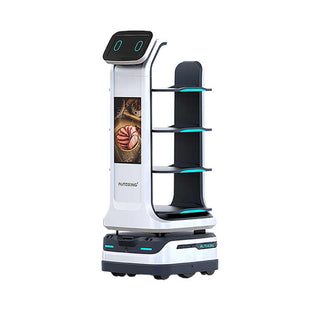
It runs plates from the pass down a long room so the counter chef is not also the runner, which is the job that gets dropped first.
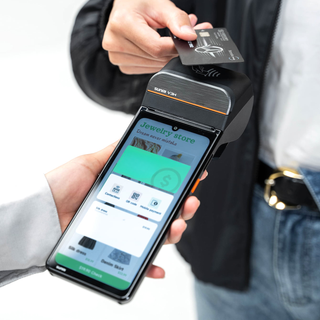
Till, printer and card terminal in one body. A sushi bar splits between the counter, the tables and takeaway, and all three have to close on the same till.
A standard display fridge holds fish cold and dries the surface. This one holds it at service humidity, which keeps neta looking wet rather than tired.
35L/H
Hot water at temperature for green tea, poured all through service.
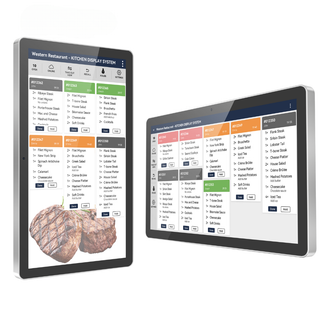
The counter and the hot kitchen fire the same table separately, and a screen at each keeps the two halves in step.
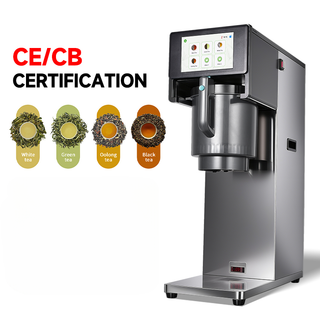
Every cover gets one and nobody wants to make it a pot at a time, so the green tea gets brewed and held by the batch.
100 kg/24hours
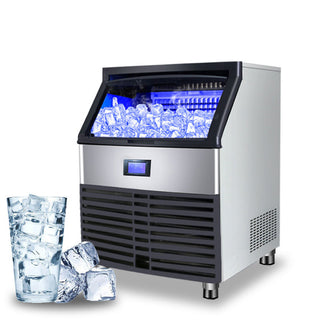
Cube ice for drinks and for the display beds. Sushi counters ice the neta case as well as the glass, and the two demands peak at the same hour.
Handheld terminals for the tables away from the counter. The counter chef takes their own orders; the floor is a different service running at a different speed.
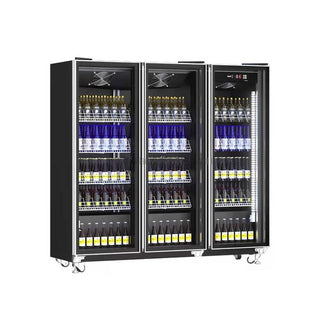
A back-bar cooler for beer, sake and soft drinks. Sake is served chilled as often as warm here, and a bottle taken from a warm shelf is an order the counter has to apologise for.
One tap of draught beer, because most of the counter drinks beer with sushi rather than sake.
A refrigerated ice deck for the fish on show at the counter. Guests order by pointing in this format, so the display is the menu and it has to hold all evening.
201 Stainless Steel
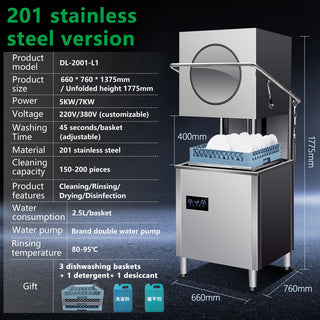
Plates, bowls and boards through a hood machine. A sushi kitchen washes more small ceramics per cover than almost any other format.
3 trays
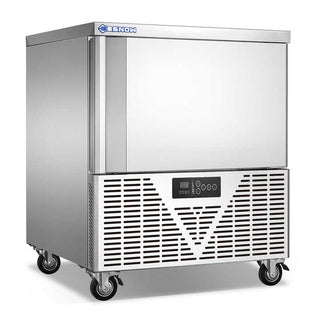
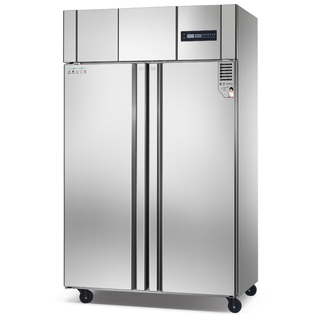
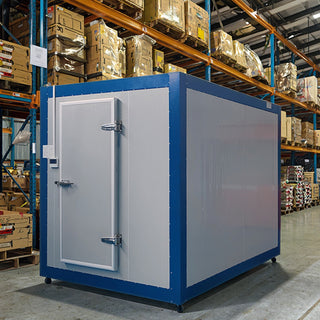
Most markets set a time-and-temperature rule for fish going to raw service, and a domestic freezer does not reach it. Check the rule where you open and size to it.
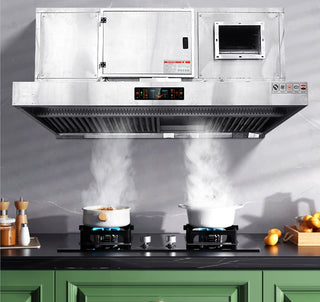
A fryer next to a raw counter is exactly the arrangement that needs extraction working properly, and the hot corner is small but constant.
Stainless Steel 304
A kitchen handling raw fish for direct service gets judged on this sequence before it gets judged on anything else.
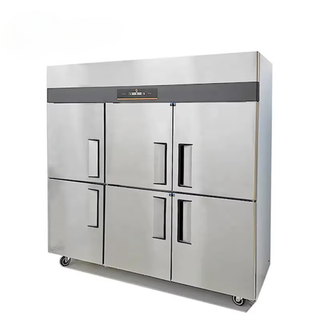
A sushi bar buys for one service and holds nothing over, so this fridge gets emptied and refilled daily rather than stocked.
7L
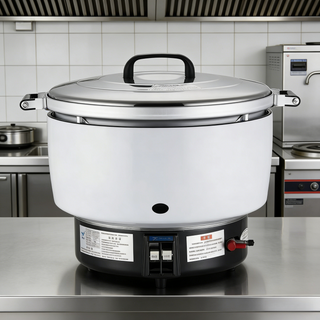
Sushi rice is cooked, seasoned and held to a window, and a domestic cooker sets the size of the room around it.
Air cooling
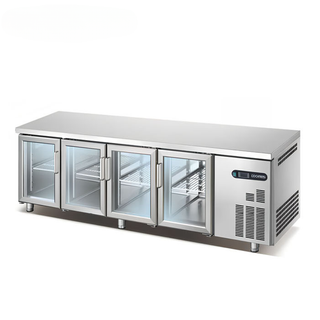
Refrigerated worktop behind the counter — the mise for the whole service within one turn of the chef.
Sushi-grade fish is frozen to a set temperature before it is ever served raw, which is a rule rather than a preference.
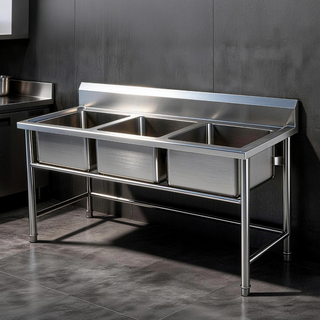
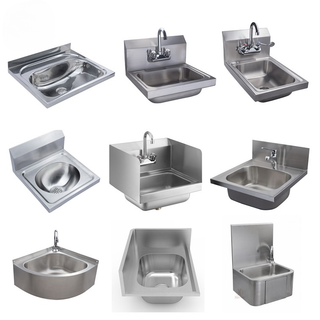
The itamae's hands go from raw fish to a guest's plate with nothing in between, so the sink belongs at the board rather than across the room.
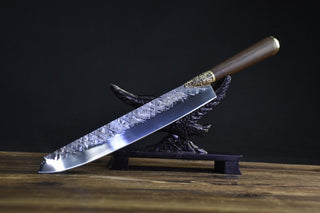
Sashimi is cut with one long stroke, and no other knife in the block does it.
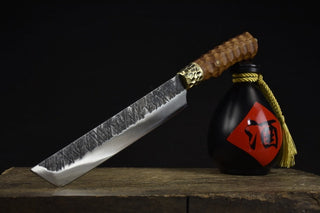
A filleting knife for breaking down whole fish in house. Buying whole is the only way a sushi bar controls what it serves raw, and it needs a blade with flex along the bone.
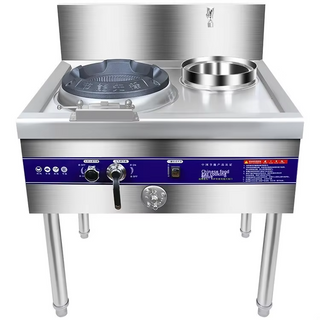
High-pressure burners for the hot side of the menu. Ramen, agedashi and the donburi section all fire from here while the counter works cold, and they are the orders that arrive with a time on them.
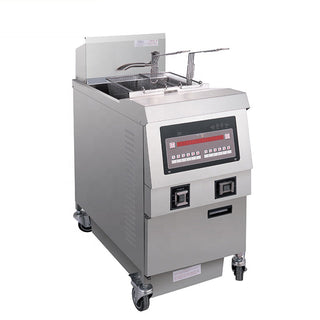
Double 25-liter tanks — one for tempura, one for everything else, so the batter does not pick up what the katsu left behind.
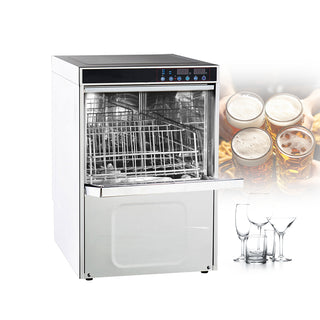
A short cycle for tea cups, sake ware and glasses. Sushi service turns small vessels constantly, and a plate machine is the wrong tool for them.
UV cabinet for knives and boards between services — the piece an inspector looks for the moment raw fish is on the menu.
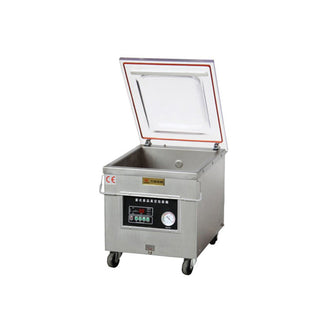
It buys shelf life without freezing, which is how a small room orders whole fish instead of portions.
Fish trim goes off faster than anything else in the building, and getting it out at the point of prep is a food-safety measure rather than a tidiness one.
Shellfish knives for the oyster and clam side of the counter.
Every sushi menu carries gyoza, and cooked in one pass they stop tying up a burner the hot section needs.
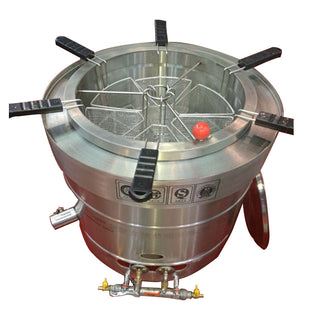
Six baskets for ramen and udon, which fire on a different clock from the sushi counter.
Steaming for rice, vegetables and everything held through service. Chawanmushi, edamame and the rice for donburi all come off it while the counter works on cold food.
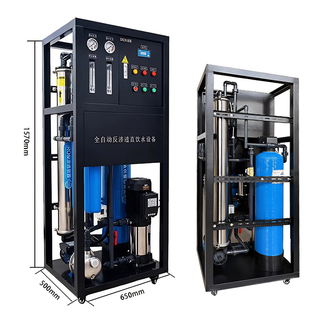
Rice takes on whatever the water tastes of and the tea does the same, so both start from the same membrane.
Salamander for aburi: the top-heat pass over nigiri that the dish is named for.
Three-hundred-millimeter blade for frozen blocks — the machine for a high-volume roll menu, not for the counter.
1000L
A jacketed kettle for broth and dashi in batch. Dashi is made fresh every morning and used all day, and indirect heat is what stops the kombu stewing into bitterness.
A sushi bar that buys whole rather than portioned needs somewhere to hold a fish and break it down, which a reach-in is not.
Nothing served from a sushi counter gets a cooking step, so the air above the board sits inside the safety plan.
Fish arrives at dawn and guests arrive at night, and both need to find the right door.
Sushi is often a lunchtime decision made on the pavement, and a self-charging board can stand there without a cable.
The wall behind the itamae is where every photograph gets taken, and neon cut to the room's name is what identifies it.
Double Sided / Rechargeable
The lunch sets go on the board outside, because at midday a sushi bar competes on price and speed rather than on the counter.
1-color / Standard Optics
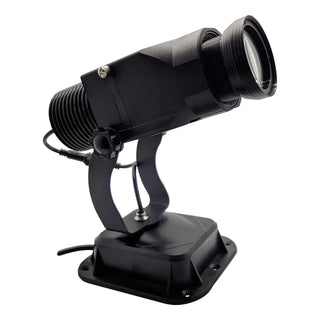
An indoor logo projector for the entrance and the counter wall. A sushi room is deliberately plain, and this puts the mark on a wall nothing else is allowed to hang on.
1-Color
A projector ships blank, so the artwork is what puts the name on the pavement.
Yanagiba, deba, fillet and seafood knives — a sushi chef picks these personally and does not want them chosen for them. Same for the plates: the sashimi plate and the nigiri board are part of the presentation, not the equipment. We stock both; tell us what you want and we price them with the order.
Catalog prices at the quantities listed, excluding shipping, duties and installation. Send a request and we confirm current pricing and lead times for your build.
Request received
We are pricing the setup now and will come back with a quote and lead times, usually within one business day.
That did not go through
Something broke on the way to us. Try again, or write to sales@barequip.pro and we will pick it up from there.