

Distillery equipment for the still house: a wash that ferments on schedule, a column still that cuts cleanly, treated water for proofing, and the bottling bench that turns a run into stock. There is no tasting bar in this list.
A working still house and nothing in front of it: fermentation, distillation, bottling and the plant utilities around them. A tasting bar is a different room with a different list.
Quantities assume one column still and a fermentation room of four wash tanks. Send us your licence class, your target output and whether you intend to lay anything down in cask, and we size the fermentation and the bottling against it before quoting.
Everything upstream of this makes spirit; only this makes stock. A distillery hand-decanting into bottles caps its week at whatever one person can pour straight.
A spirit bottle closes on a cap that has to seat evenly to seal, and hand-tightening a case is how you learn three weeks later which four bottles wept in the box.
Nothing reaches the still that has not spent a week in one of these first, so tank count sets how many runs a week the still can actually do.
2 inlet and 2 outlet
Fermentation temperature writes the ester profile the still then concentrates. Run the wash warm and the mistake gets distilled along with everything else.
20L
Gin, whisky new-make and fruit spirit all come off the same column set, and the plates are what let you cut them apart. This is the business rather than a piece of it.
Crush gets set on the day against the grain bill. Buying malt pre-milled hands that decision to the supplier and costs yield in every wash after.
A four-column alembic makes character spirit; a reflux column fills bottles week after week, and a distillery needs both jobs done.
50L
Hand-cleaning a still is how a distillery loses a week, and the tanks, columns and lines all clean off the same circuit.
Spirits show every speck, so the bottle gets rinsed in the minute before it is filled rather than the day before.
Links the filler, the capper and the labeller into one pass instead of three benches and a trolley.
50L
A jacketed, agitated vessel for mashing and for anything cooked before fermentation.
A jacketed vessel for blending and proofing down before bottling.
Spirits carry more label law than anything else you sell — strength, volume, duty mark, allergens — and a hand-applied label looks hand-applied on a shelf.
Anything leaving the premises carries a batch and best-before code by law, and that code is what a complaint gets traced back through.
Closes the bar-tops and shaped capsules a spirits bottle uses, which the handheld screw capper cannot.
Corking and capping for the bottles that take a cork rather than a screw cap.
Batch and bottling dates coded on glass — required by every excise regime there is.
Automatic labeller for the sites bottling for retail rather than for the shelf behind the tasting bar.
Glass does not forgive a loose case, and a pallet of spirit that shifts in transit arrives as a claim rather than as stock.
L-bar sealer and shrink tunnel for gift packs and multi-bottle sets. Most of a small distillery's December revenue leaves the building in a box that has to look sealed.
A bottle of spirit sells as a gift more often than a case does, and the printed box is what makes it one.
Shrink capsules over the neck, so a bottle looks bought rather than filled in a shed.
Bench-top banding for the runs too small to justify the floor machine: samples, single cases and the boxes that leave between despatches.
Tastings, trade samples and the direct sales that carry a young distillery all leave by hand, and a printed tote is what they leave in.
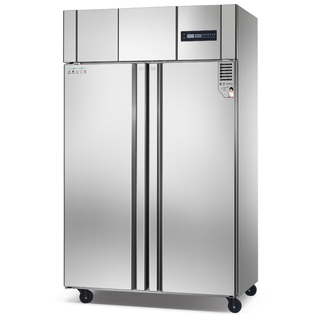
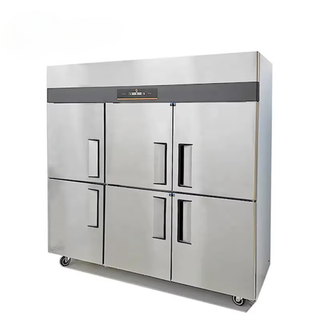
Yeast lives in here, and so do the botanicals a gin recipe keeps cold until the morning they are macerated.
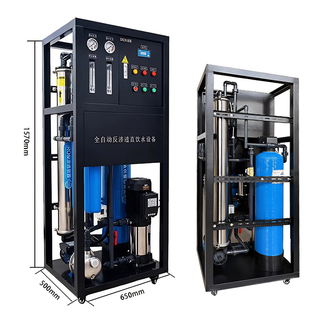
Proofing water can be half of what ends up in the bottle, and mains water carries its chlorine and its hardness straight into the finished spirit.
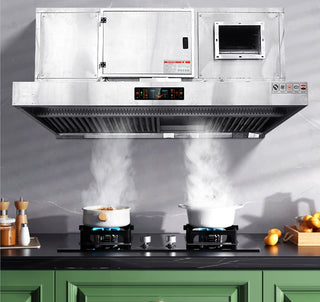
A charge run throws heat and ethanol vapour for hours, and vapour pooling in a closed room is a licensing problem before it is a comfort one.
Proofing water goes into every bottle alongside the spirit, so it is treated to the same standard.
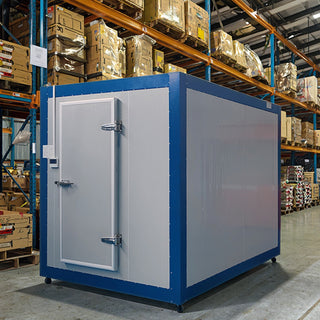
Botanicals and fruit arrive fresh and then wait for a run, which can be a fortnight away.
In a spirits plant the exclusion zone around the still has to be visible from across the room, and paint on a wet floor stops being visible within a month.
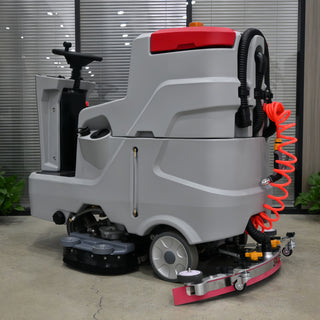
A wet plant floor gets mopped every day or it gets slippery. A scrubber does it in one pass.
180 W UV air steriliser in the fermentation room. Airborne wild yeast is the one contamination route cleaning cannot reach.
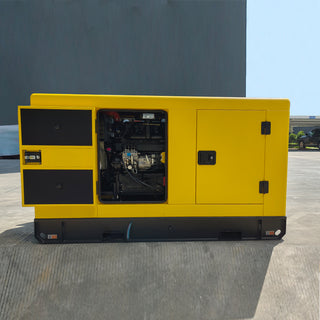
A cut cannot be paused: standby power carries a run through an outage instead of losing the charge in the pot.
40 ton
Cases arrive flat and leave as waste; baling keeps the loading bay clear of it.
A gin recipe that depends on one summer's peel needs somewhere to keep it until the next summer arrives.
Spent mash shredded before it leaves the site. A wash run empties tonnes of grain, and whoever collects it will not take it whole.
Catalog prices at the quantities listed, excluding shipping, duties and installation. Send a request and we confirm current pricing and lead times for your build.
Request received
We are pricing the setup now and will come back with a quote and lead times, usually within one business day.
That did not go through
Something broke on the way to us. Try again, or write to sales@barequip.pro and we will pick it up from there.