

Italian restaurant and pizza shop equipment for a kitchen that runs both services off one line: a deck oven and a spiral mixer for dough made daily, an automatic pasta cooker that sends in minutes, refrigerated prep between them, and extraction over all of it.
A pizza side and a pasta side share one kitchen. The pizza half is built around the oven and dough made every morning; the pasta half lives or dies on how fast a basket comes up and hits a pan. Between them they share the cold chain, the prep bench, the extraction and the wash-up, so running both off one line costs less than running either alone.
Quantities assume a dining room of about 60 covers doing pizza and pasta together, with a takeaway trade alongside. Tell us the split between eat-in and delivery and how many pizzas an hour you intend to send, and we size the oven and the cold prep against it before quoting.
The wrong bowl makes a good plate of pasta look like a canteen portion, and pasta is most of what leaves this kitchen.
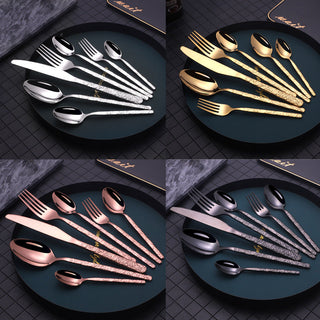
Black / 7 PCS
An Italian room sells three courses and ninety minutes, and the fork is the first thing a guest picks up.
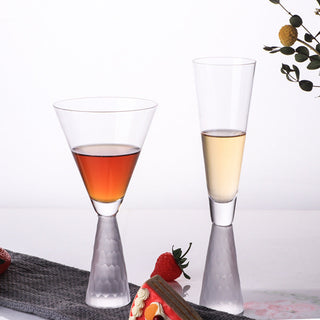
High Red Wine Glass
An Italian restaurant sells wine by the glass at every table, which makes the stem the most-used piece of glassware in the room.
Dining Chairs
An Italian room holds a table for an hour and a half, so the top has to carry antipasti, a main and a bottle at the same time.
28cm black
Round trays for running plates and clearing them. Pasta goes out hot in wide bowls, and a tray without a grip face loses exactly that load.
S
Decanters for the bottles on the list that need air before they show anything.
Linear pendants over the tables — warm light at table height rather than a lit ceiling.
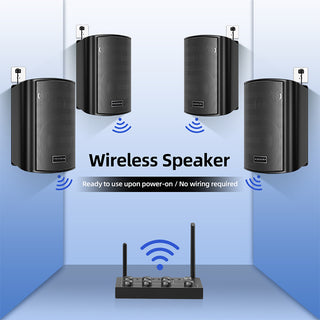
6.5-inch speaker for LS-02 white
An Italian room is loud at eight and empty at six, and the music has to work at both ends of that.
Upholstered banquettes built to your dimensions, for the wall runs of a dining room.
Vinyl-upholstered booth runs. This is the seating a family pizzeria is usually built around, and it survives what a family with children does to a dining room.
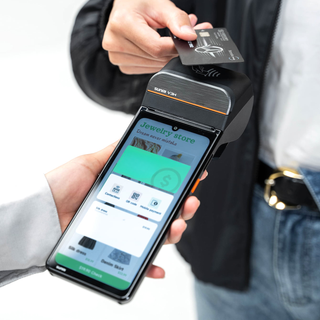
Standard Android POS software on a dual screen with the printer at the pass, which keeps the menu and the integrations yours.
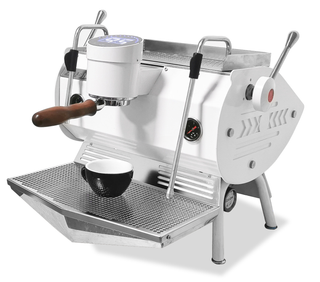
2-Group
In an Italian room the espresso is the last course rather than something at the end of the bar, and a table waiting for it stops turning. Two groups keeps that from happening.
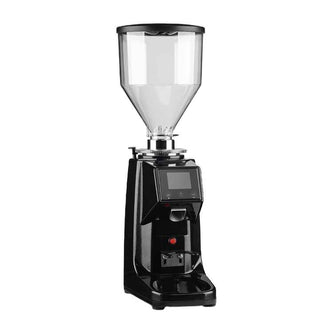
In Italy the coffee gets judged as hard as the pasta, and the grinder is where that judgement is decided.
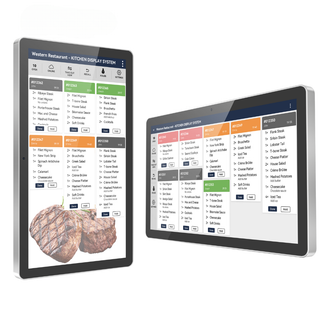
The pizza oven and the pasta section fire on different clocks, and a screen at each is what lands a table together.
Handhelds for the floor, so the pasta section starts cooking while the order is still being taken.
100 kg/24hours
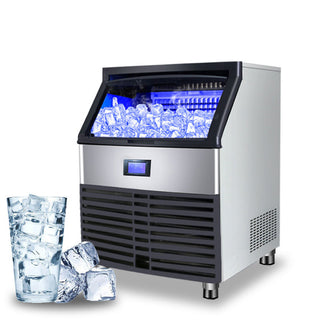
80 to 120 kg a day for the bar, the aperitivo hour and the water service.
Black
An Italian list lives on regional bottles sold by the glass, and those are exactly the bottles that will not survive an open night.
A large share of the pizza trade leaves the building, and the box is the only thing carrying your name to the address it arrives at.
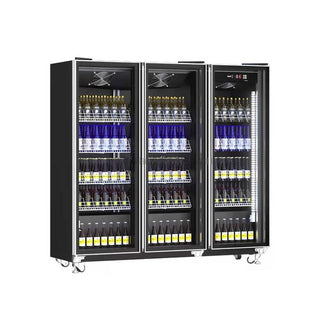
Beer and soft drinks sell themselves from the front of the room while the wine list does the slower work, which only happens if they are lit and visible.
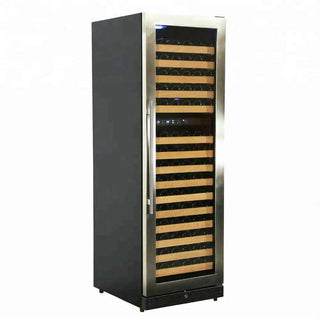
166 bottles across two zones — reds at cellar temperature, whites ready to pour, in the dining room where guests can see the list.
Dessert sold from a counter rather than a menu sells more of itself, and a small showcase is enough to do it.
Printed carrier bags for the sides, desserts and drinks going out alongside the boxes.
Screen menu for a counter that also sells by the slice, where the board changes through the day.
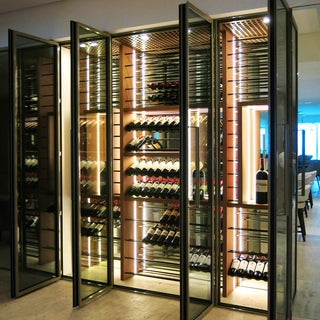
A built-in wine wall, priced per square meter of finished cabinet — for a room where storage is also the decor.
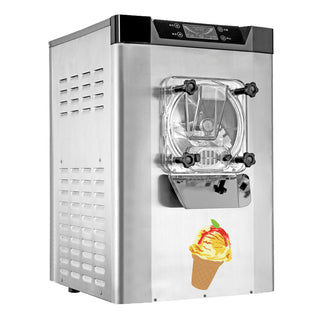
Gelato made in house, if the dessert list is going to be the reason people come back.
Air cooling
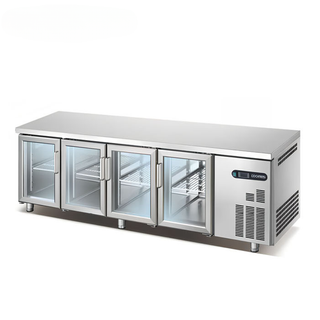
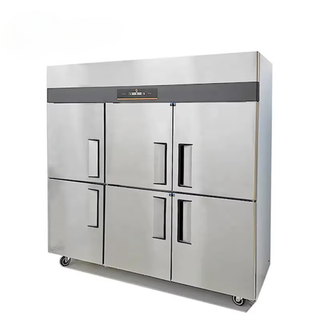
The mise for the sauce and antipasti sections sits under the board it gets used on, four doors deep.
Six baskets, each on its own timer, with automatic lift. A pasta section either sends a table together or sends it in three waves, and the timers decide.
201 Stainless Steel
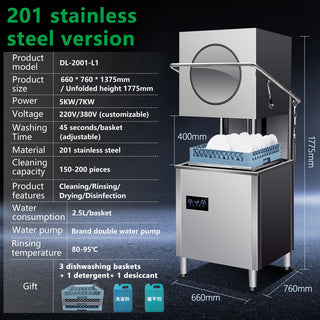
Plates, pasta bowls and pans come back at a rack a minute, which is the rate an Italian room clears at when it is full.
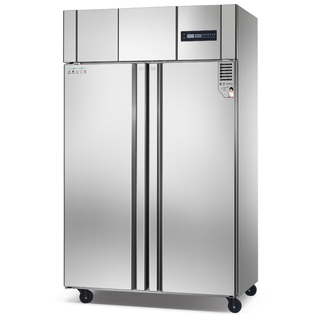
An Italian kitchen buys fresh daily and holds almost nothing, which makes this a working fridge rather than a store.
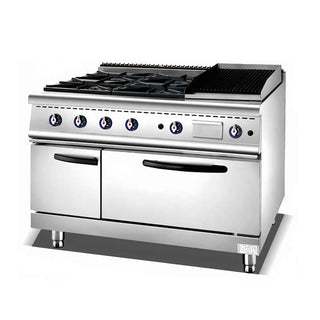
Four burners for the sauce line, a grill section and an oven underneath — the block the rest of the menu is finished on.
Stainless Steel 304
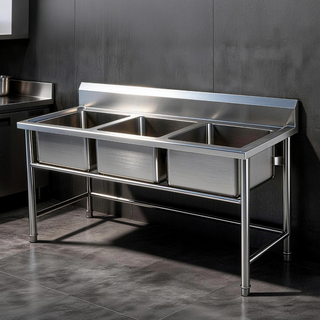
Pots, pasta inserts and everything a machine cannot take wash here, and a pasta section produces more of those than a grill section does.
Prosciutto and salumi sliced to order make an antipasti menu; the same meat sliced yesterday makes a supermarket plate.
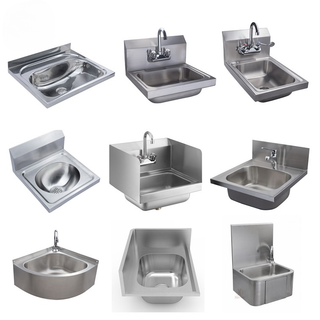
Hand sinks on the line, in prep and at the wash-up. A pasta section handles raw egg dough and finished plates at the same bench, and the sink count is there to separate them.
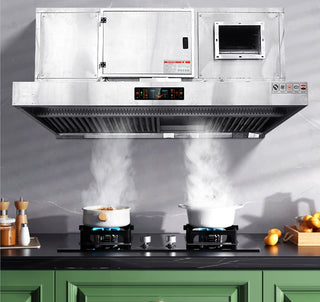
Boiling water and a sauce section together produce a steam load that has to leave the room, and 6000 m3/h is what moves it.
1 deck Electric Pizza oven (6*12inch pizza per deck)
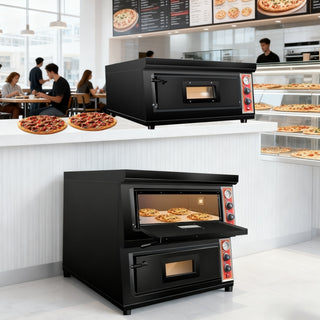
A stone deck is the whole pizza half of the menu. Bottom heat conducted through stone is what sets a base in ninety seconds, and no fan oven reproduces it — this is the machine the format is named after.
20L
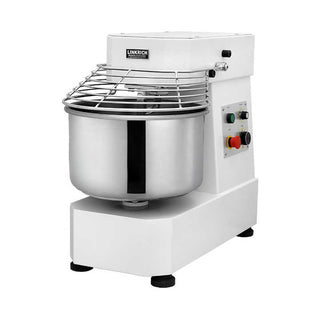
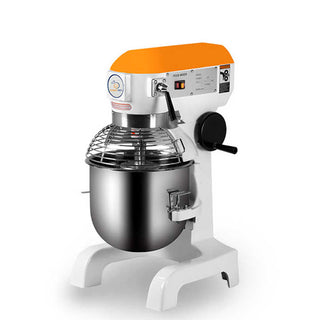
Pizza dough gets made every morning and rested, and fresh pasta and focaccia come off the same bowl. Buying dough in caps the menu at whatever the supplier makes.
Dough in the drawers, toppings in the well, everything within one arm's reach of the oven. A pizzaiolo who has to turn around is a pizzaiolo who is slow.
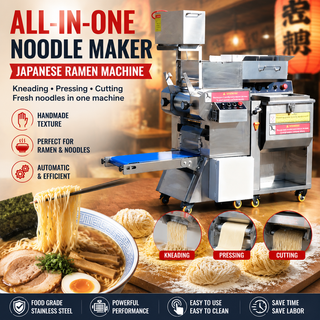
Fresh pasta made in house: mixed, sheeted and cut on one machine. A trattoria makes its own; a place that reheats buys it in.
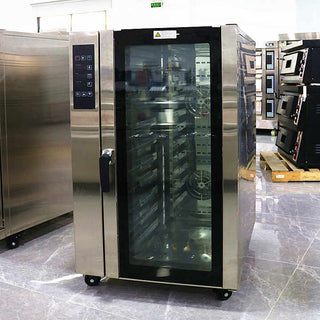
Eight trays of combi with steam for roasts, baked pasta and regeneration during service.
Stock, filled pasta and the frozen half of the menu. Ravioli made on Monday is frozen on trays that day — thawed and refrozen, the filling weeps through the sheet.
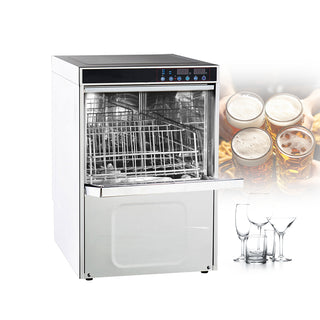
A wine room is judged on the stem the wine arrives in, and thirty baskets an hour keeps clear glass coming back through a full service.
QT-18
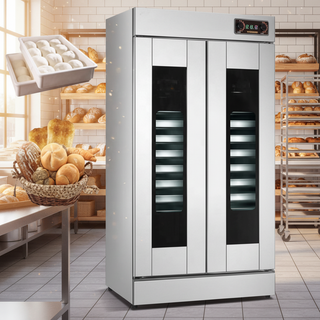
Controlled proving for pizza dough, so Tuesday's base behaves like Saturday's.
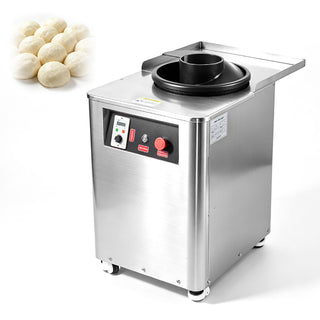
Dough balls at an even weight, so the bases come out the same size instead of merely the same shape.
Baked pasta, melted provolone and a bruleed top all need heat from above that an oven cannot give in ninety seconds.
CP-CB36-HD
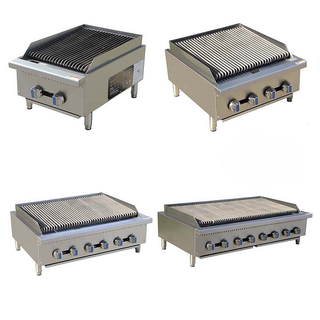
Charbroiler for the secondi — meat and fish over flame.
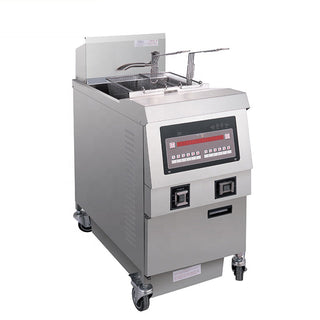
Double fryer for fritto misto, arancini and the antipasti that come out of oil.
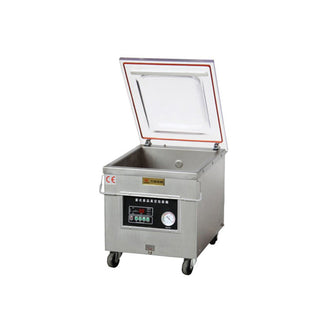
An Italian kitchen batches sugo once and draws on it for a week, and the seal is what makes that week safe.
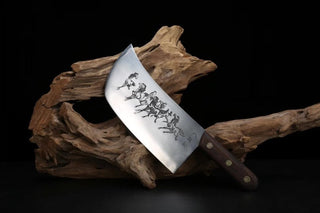
An Italian kitchen breaks down more vegetables and herbs by hand than it does by machine, so two proper knives live on the prep bench.
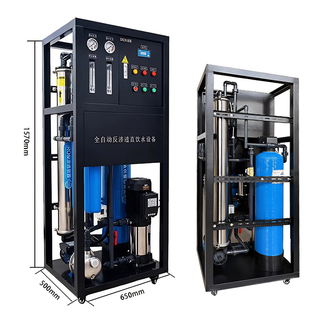
The coffee machine, the pasta water and the ice all come off the mains, and pasta water is the one nobody thinks about until the salt tastes wrong.
3 trays
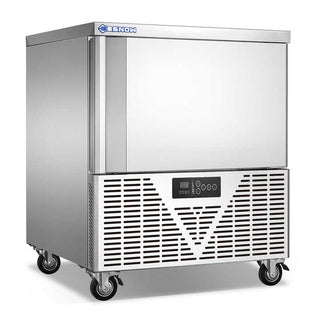
House-made filled pasta and batch sauce get produced once a week instead of every morning, which only works if they chill fast enough to be safe.
10L
10 to 30 liters for tiramisu, creams and the dessert section.
Grinds plate and prep waste at the sink instead of it going to the bin by hand.
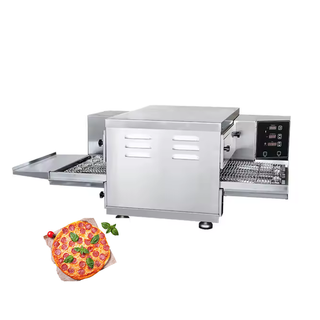
A conveyor for a delivery-heavy operation — consistent bake without a pizzaiolo watching the deck, at the cost of the crust a deck gives you. It runs alongside the deck oven, not instead of it.
300 kg/h
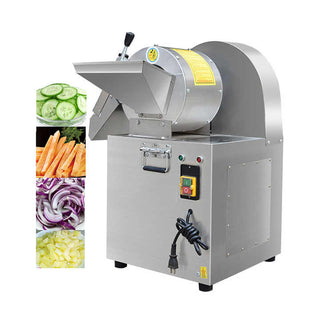
300 to 800 kg/h of vegetable prep for the antipasti and salad list, which is where an Italian menu quietly buries most of its knife work.
An extruder for the short shapes a sheeter cannot make.
1000L
A tilting jacketed kettle for sugo by the batch, stirred so it does not catch.
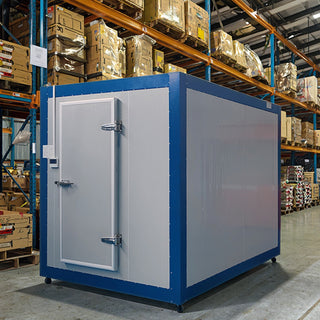
Walk-in cold storage for a kitchen that buys produce daily and cheese by the wheel.
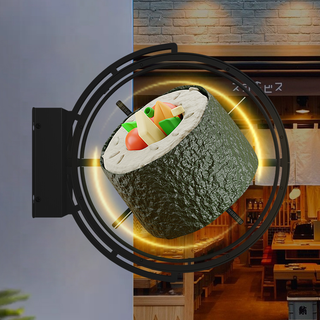
Round faces read at an angle, which is how a table on the pavement gets noticed from down the street, and the same fitting covers the door and the terrace.
It stands at the edge of the terrace with no cable across the pavement, which is also the first thing the council asks about.
40*60cm (15.75*23.62in)
Ten panels cover a full board across pizza and pasta plus the specials rail, and posters swap from the front without taking the frame off the wall.
Double Sided / Rechargeable
An Italian room changes its pasta daily, and that is the one line worth putting on the pavement.
Everything else is lit at candle level, which leaves this as the only wall a photograph can actually resolve.
1-color / Standard Optics
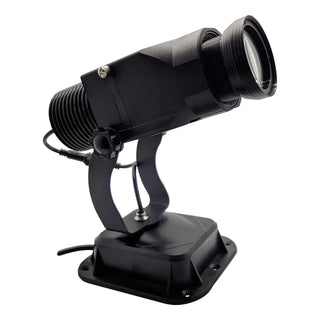
An indoor logo projector for the entrance and the wine wall. It lights a surface a restaurant cannot hang anything on, and the slide changes with the season.
1-Color
Without a slide the projector throws a bare circle onto the pavement. The artwork is the part that turns it into signage.
Holographic fan display for the window — a floating image with no screen bezel around it. Weatherproof, so it also works in a covered doorway.
Plates, cutlery and wine glass are the part of an Italian room guests actually touch, and they follow your style rather than the equipment list. We stock the range and price it with the rest of the order.
Catalog prices at the quantities listed, excluding shipping, duties and installation. Send a request and we confirm current pricing and lead times for your build.
Request received
We are pricing the setup now and will come back with a quote and lead times, usually within one business day.
That did not go through
Something broke on the way to us. Try again, or write to sales@barequip.pro and we will pick it up from there.