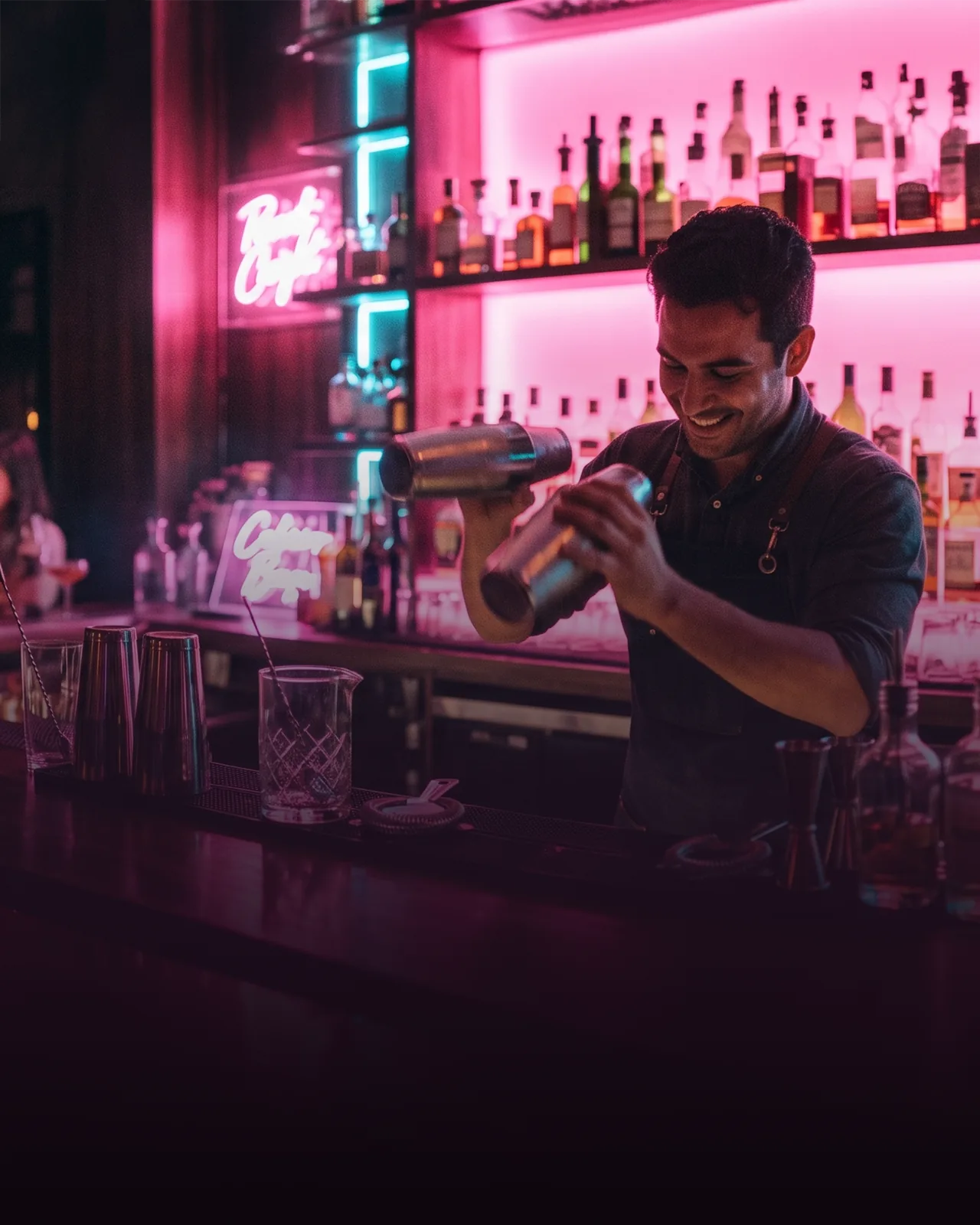


Sports bar equipment for a room that fills and empties with the fixture list — an LED wall and PA that carry over a crowd, ice and glasswashing at match-day rate, and a kitchen that can send food during the break.
A sports bar is three businesses in one room: a fast bar, an AV installation and a snack kitchen. All three peak at the same ninety minutes, which is why the setup is built around throughput rather than finesse — more taps, more screens, more fryer capacity than a normal bar of the same size needs.
Quantities assume a 90-seat room with one main screen wall and two secondary zones. Tell us the seat count and how many matches you plan to show at once, and we adjust the screens, the PA and the tap count before quoting.
6.5-inch speaker for LS-02 black
A sports bar goes silent at half time unless something is playing, and silence empties a room faster than a losing score.
A sports bar is a room built around its screens, and a projector alone leaves half the seats without a view.
Gold
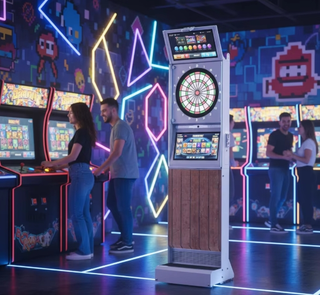
Dual-screen electronic darts with league software and coin or card play. Two machines make a corner that runs its own night.
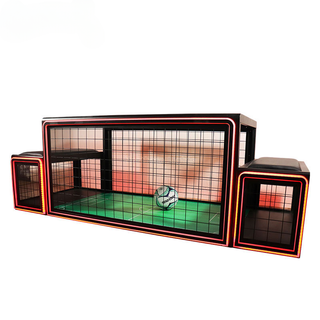
Sit-down foosball with LED trim: table football that also works as seating, so a room with a queue gets two jobs out of one footprint.
Splits the room into zones so the main wall carries commentary while the terrace stays on music. Two units cover four zones.
28cm black
Six pints carried through a standing crowd at full time. The grip face is what stops the round going over someone's shoulder.
Black Curved grille light -6W / 3000K
Dimmable light on a rail, so the room goes bright for food service and down for the match without rewiring. Screens are unwatchable under a lit ceiling.
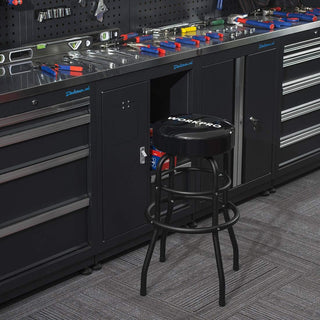
Swivel is the point: a stool at the rail has to turn to face whichever screen the game is on. The wipe-clean seat resets between sittings.
A / 250mL
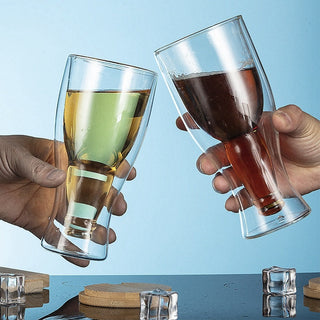
The tap wall does the real work here. This is the glass for the specialty pour the half-time crowd photographs rather than the pint that clears at full time.
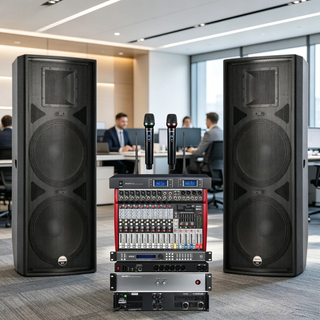
A PA with a microphone for commentary, quiz nights and announcements.
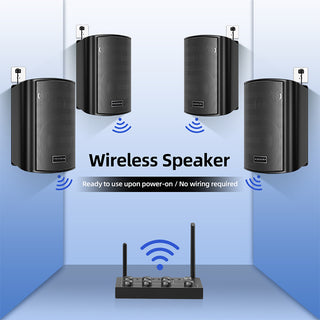
Amplification for the room, so match commentary carries over a full house.
Tumblers for spirits and soft drinks — the glass this format breaks most of.
Dining Chairs
Tables for the half of the room that came to eat as well as watch. Food is what keeps a sports bar trading on the days there is no fixture.
Booths are the seats people book for a match, and the only ones that hold a group for three hours and a full food order.
The party table for private hires and student nights. It earns on the nights the screens are dark.
Cocktail-table arcade cabinets that double as two-tops in a corner that would otherwise hold nothing.
A sports bar's real problem is the Tuesday with nothing on, and a lit table is a reason for a group to come anyway.
Simple square shape
A branded prize game for match-day promotions: tie a win to a round and the bar has something to run at half time.
Something for the tables to race at during the break. A sports bar sells its second round in the fifteen minutes when nothing is on the screen.
Single-head
A litre on the table, so a booth pours its own round instead of leaving during the match. Leaving the table at kick-off is the problem a sports bar actually has.
A foldable arcade cabinet for the corners that the screens do not reach.
silver
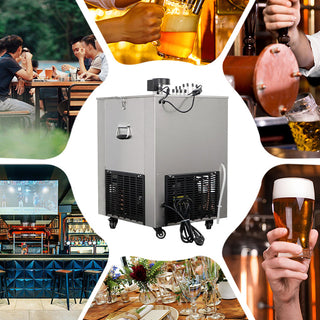
A foamer that puts a proper head on a canned beer — a cheap trick that sells cans like draught.
100 kg/24hours
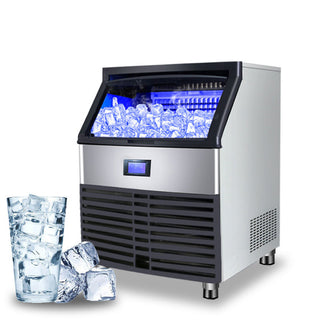
80 to 120 kg a day, air-cooled — highballs, soft drinks and the can bath, with a buffer for a hot afternoon fixture.
4 Taps / Stainless Steel
Four, six or eight taps with kegs held cold underneath, the shortest line there is between keg and glass. That shortness is everything when forty people order in five minutes.
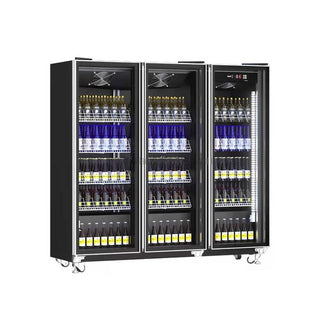
Cans and bottles sit in the guest's eyeline, and fan cooling survives a night of constant door-opening where a static cooler does not.
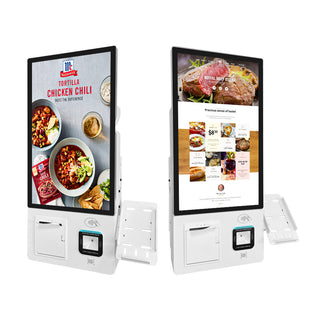
Dual-screen terminals with built-in printers at both ends of the bar. Standard Android POS software, so you are not tied to one vendor's pricing.
Six cooled lines for the kegs that sit off the bar, so the beer arrives at pouring temperature down the whole run.
Direct Cooling · 12 kegs / 10 taps
Everything the bar pours goes through this. A sports bar sells its whole evening in two fifteen-minute windows, so the dispense side has to hold keg temperature while it is being emptied.
200 cm
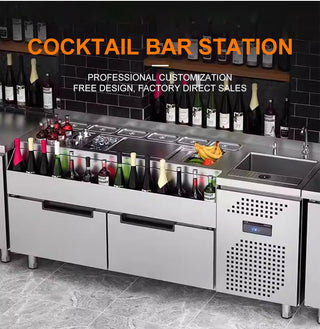
Refrigerated wells, bottle pockets and ice bin built to your counter length — the spirits and highball half of the bar, kept out of the beer traffic.
The ice bank holds chilled water around the coils, so the fiftieth pint of a rush is as cold as the first. On a match day nothing else matters as much.
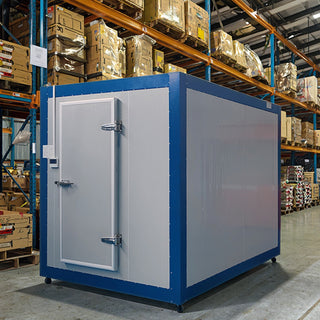
A sports bar empties more barrels on one fixture than in a normal week, and the delivery does not come mid-match.
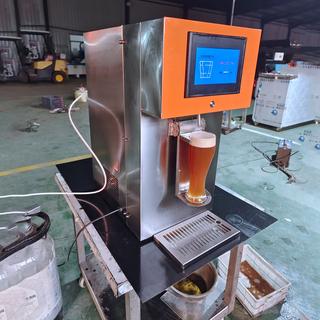
Fills every glass button-and-forget, bottom-up with a controlled head, so the pint a new hire pulls at the seventy-fifth minute matches the one a veteran pulled at kickoff. It takes the skill out of the pour on the exact night the queue at the taps is longest.
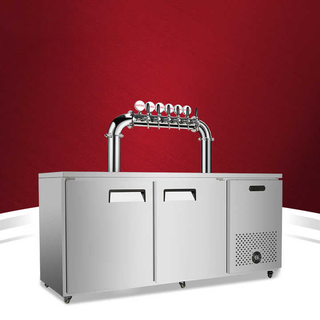
A tap tower on the bar top for the fastest-moving lines. It puts the house lager in front of the queue rather than down at the end of the run with the guest ales.
On a wall of taps they come off every week for cleaning, and a bar with no spares pours one line short while they soak.
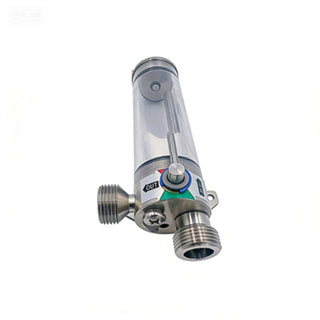
Foam detectors, so a keg change at half time does not cost a pint per line.
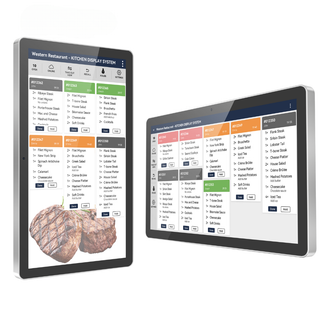
During a match the bar takes food orders faster than anyone can write them, so they go straight onto a screen in the kitchen.
Kiosks for half time, when the entire room orders in the same seven minutes.
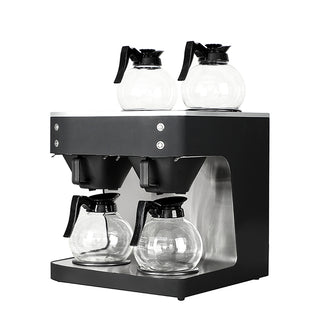
Early kick-offs and the drivers in every group both want coffee, and neither is going to wait for a shot to pull.
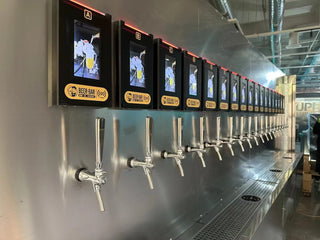
Sixteen kegs behind a self-pour wall with its own refrigeration. Half-time is four minutes long — self-pour is how a room serves it.
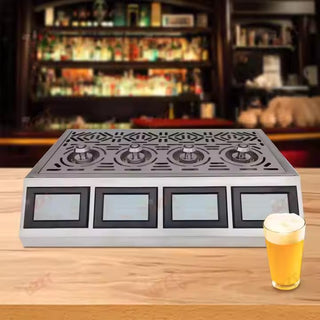
4 glasses dispenser
Fills through the base of the cup in seconds. This is exactly the machine a sports bar wants at half time, and exactly the one it does not need on a Tuesday.
A second pour point for the far end of the room or the terrace on a big fixture, when the main bar cannot reach the crowd standing at the screens.
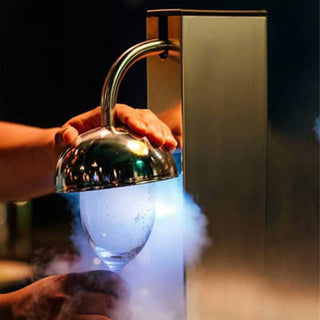
Frosts a glass in seconds off a CO2 line rather than holding freezer space for stacked pints. Worth it if a cold lager is the house pour.
16 Oz Reusable Plastic Cups (100 pc.)
The dispenser fills nothing without these — the valve sits in the cup, not in the machine. Plastic on a match night: it survives the drop from a standing crowd and comes back for the next fixture.
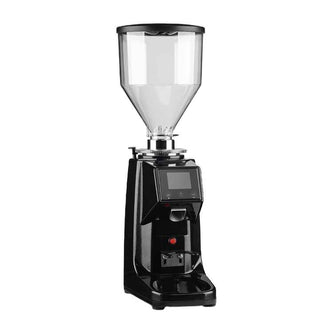
A grinder if the coffee is going to be worth charging for. A sports bar sells it at eleven in the morning to the crowd in for an early kick-off, which is the one hour nobody is drinking.
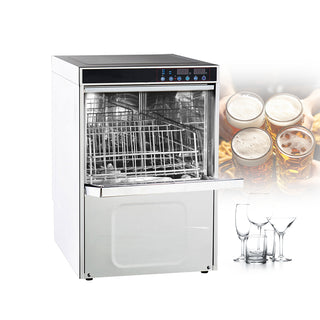
Beer glass out of a dedicated glasswasher pours a head; glass out of a plate machine does not, and thirty baskets an hour keeps up.
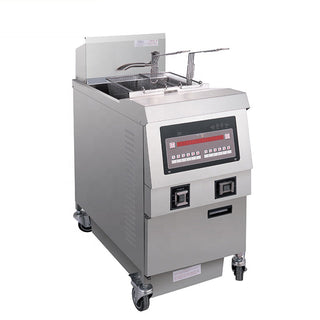
Two 25-liter wells — fries in one, wings in the other. A single well is the bottleneck every sports kitchen hits at half-time.
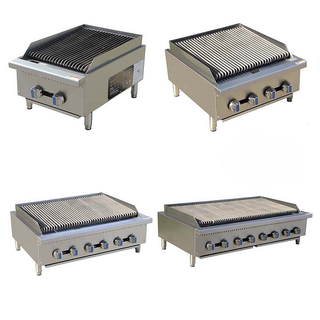
CP-CB36-HD
Countertop char grill for burgers and skewers, with grates heavy enough to hold heat through a rush.
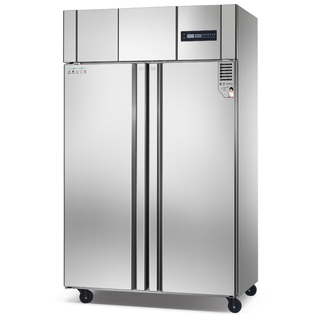
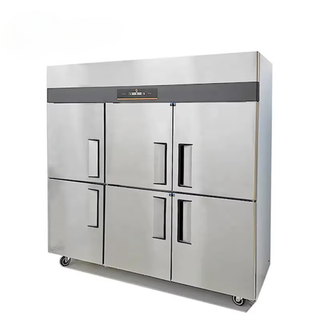
Double-door back stock for the kitchen and the kegs in rotation — the fridge that keeps the display doors free.
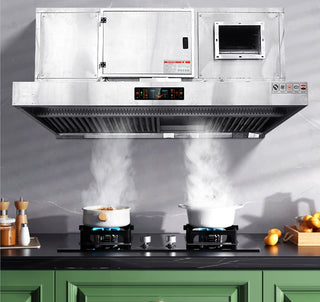
120*60*45 cm • single fan • air purifier
The fryer that clears a full-time crowd throws grease into the air all night, and the electrostatic filter keeps that haze off the screens and the ceiling instead of caking them. Size the canopy to the fryer line before you order — a short hood over a busy fryer leaves the smell hanging in the room.
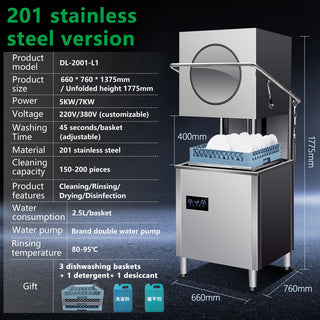
201 Stainless Steel
Hood-type machine for the kitchen side — a rack a minute keeps plates moving when the fryer is at capacity.
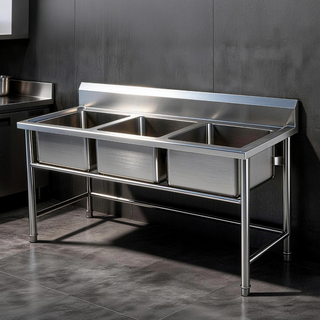
Stainless Steel 304
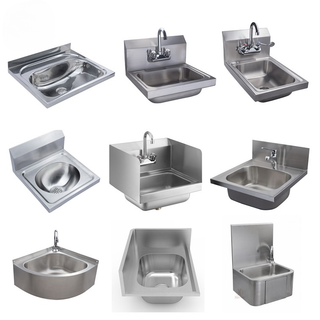
Pots, line parts and everything that never goes in a machine wash here, and a sports bar cleans its lines weekly.
This is the fixture most often missing at a first inspection, and the bar, the kitchen and the wash-up each need one.
Wings and burgers push grease-laden air into a room people sit in for a full ninety minutes, and a countertop purifier is sized for a panini station rather than a hot line.
Fries, wings and everything the fryer runs on during a rush live here, and a match-day rush empties it in one sitting.
Air cooling
Burger build, toppings and sauces stay in reach of the grill, which on a match day is the only thing keeping the line together.
35 L/min
Filtered oil, because the fryer runs from open to close on a match day.
Food waste ground at the sink rather than bagged behind the bar. A match-day kitchen fills a bin between kick-off and half time, and nobody is carrying it out through a full room.
1000W
For the reheats a match-day kitchen runs — chilli, wing sauce, a portion back up to heat — so the fryer and the grill stay free for the orders that matter.
1 deck Electric Pizza oven (6*12inch pizza per deck)
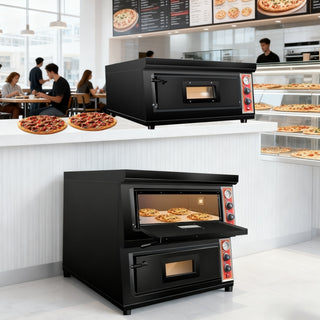
Two decks put crisp 12-inch pizzas on the line without a floor oven eating your kitchen — worth it if wings and nachos aren't enough and you want a share plate that turns a half-time crowd into a second round at the bar.
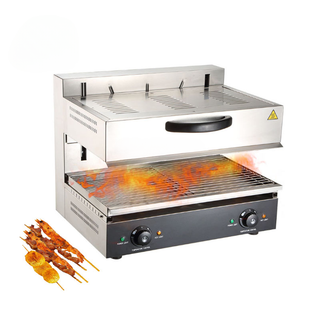
Melts cheese on nachos and toasts sub rolls in seconds without tying up the fryer or an oven — worth it only if the snack menu leans on hot-finished plates rather than straight fried baskets.
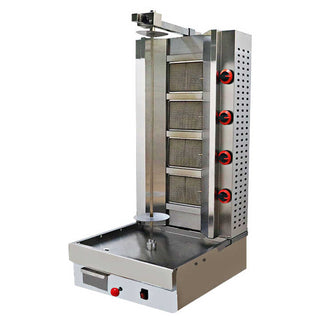
A vertical spit only earns its place if doner is on the match-day menu. It runs unattended through the whole rush, at the hour your one kitchen hand is already buried in the fryers.
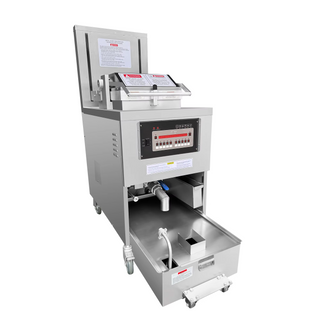
Pressure-fried wings, which is the item this format is judged on.
Throws the main match up to 200 inches for the wall the whole room turns toward — but at 2000 lumens it needs the lights down, so it earns its place only if you can dim that end of the bar. On a bright afternoon a screen wall carries the crowd better.
40*60cm (15.75*23.62in)
Backlit panels for the food board and the fixture list. Both change weekly, and both are read from across a full room.
A sports bar gets chosen from the street on the walk to the ground, and it has about three seconds to be chosen in.
On a match day the board that says which game is on and at what time is the highest-value sign a sports bar owns, and it charges itself.
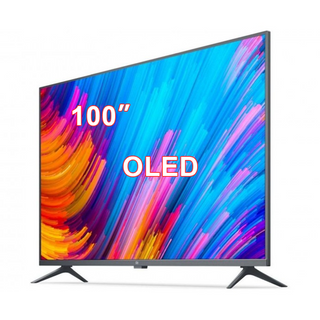
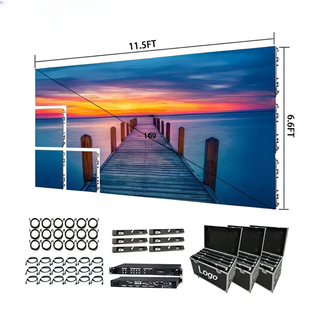
An LED wall for the main fixture, bright enough to read with the lights on.
Neon behind the bar — the wall that is in shot on every phone picture taken when the goal goes in.
Double Sided / Rechargeable
Today's fixtures go on the pavement board, because a sports bar gets chosen by what is showing rather than by what it serves.
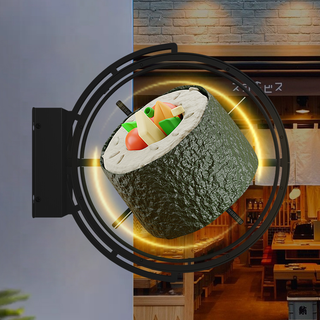
Floats today's fixture list over the bar, where a printed sheet disappears in a full room. Theatre the bar can run or skip.
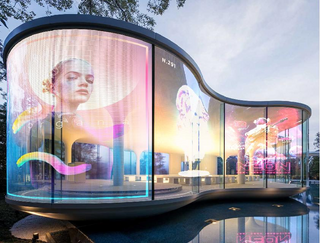
Turns the front glass into a match-day advertising board without curtaining off the daylight — passers-by read tonight's fixtures while guests inside still see the street. Signage theatre for a room that fills on foot traffic, not something the doors depend on.
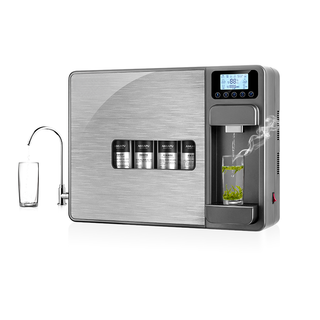
Filtered feed for the ice machine and the glasswasher. Scale costs an ice maker its output, and it shows up as a shortfall at half time rather than on a quiet Tuesday.
Plates, baskets and trays are a house decision — they follow the menu and how much of it goes out in paper. We stock the range and price it with the order; we just do not put it in the setup.
Catalog prices at the quantities listed, excluding shipping, duties and installation. Send a request and we confirm current pricing and lead times for your build.
Request received
We are pricing the setup now and will come back with a quote and lead times, usually within one business day.
That did not go through
Something broke on the way to us. Try again, or write to sales@barequip.pro and we will pick it up from there.