

Steakhouse kitchen equipment built around one decision made repeatedly — heat, rest, finish. A charbroiler that holds temperature through a full section, butchery and prep refrigeration, and a dish machine that copes with grease.
A steakhouse is one cooking decision made repeatedly: heat, rest, finish. The kit reflects it — a char grill that holds temperature through a full section, a salamander for the crust, sous-vide for the cuts that need control, and butchery on site so the margin stays in the room.
Quantities assume a 70-seat room with one grill section. Steak knives, plates and glassware are picked separately, since they carry the room's style. Send your floor plan and the covers you expect, and we adjust the counts before quoting.
Black / 7 PCS
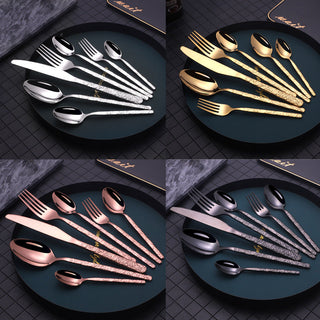
In a steakhouse the table setting is part of the price, and weight in the hand is the first place that shows.
Liquid Curve Glass
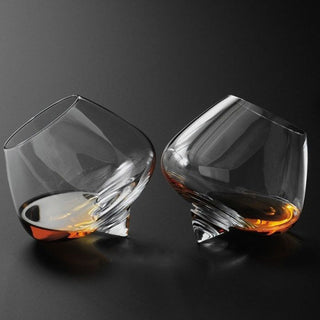
A steakhouse sells more whisky per cover than any other restaurant format, which makes the rocks glass the one that gets handled most.
Dining Chairs
A steakhouse holds a table for two hours over one big plate and a bottle, so the tables want to be solid rather than quick.
Gold / 10 inch/ 26 cm
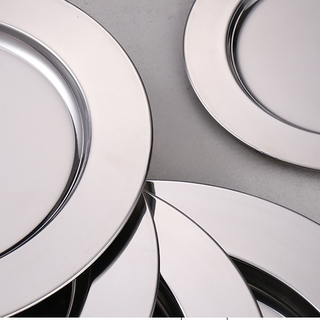
Charger plates under every cover. They set the table before a course arrives.
Oval Platter
Bowls and plates for the sides and the starters. A steakhouse serves its sides separately on purpose — the steak arrives on its own board and everything else is shared.
28cm black
A steak plate goes out heavy and straight off a salamander, and a tray without a grip face drops exactly that load.
250 ml
A second whisky glass for the top of the list, so the good pour looks different from the house one.
Summer
Wine glasses for the red list, and the food here is built around the red list.
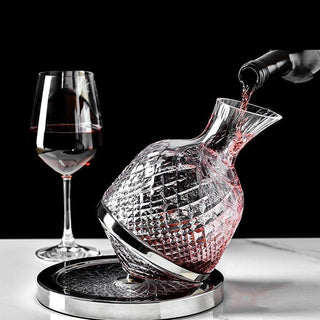
Decanters for the bottles that need air, and for the theatre of pouring them at the table.
White / Short
The bar is where guests wait for a table and where the whisky list gets sold, and both of those need somewhere to sit.
Steak looks wrong under cold overhead light, and a linear pendant puts warm light at table height instead.
6.5-inch speaker for LS-02 white
A steakhouse is a low, warm room with hard surfaces, and music is what stops the next table's conversation carrying.
Upholstered banquettes, built to your dimensions — the seating a steakhouse dining room is usually built around.
Scent management at the entrance, in a room where the grill reaches the door.
Dual-screen terminals with printers, at the pass and the bar. Standard Android POS software.
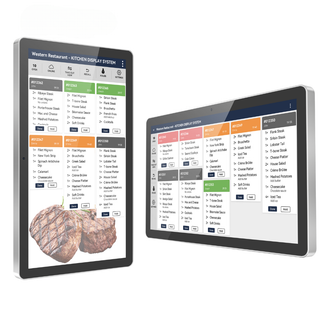
Steak cook times are the one ticket a kitchen cannot lose, and a screen at the grill is what stops that happening.
200 cm
Refrigerated wells, bottle pockets and an ice bin built to your counter length. A steakhouse bar is where guests wait for a table, so it has to pour properly with the room still half empty.
Handhelds for the floor, so a steak order reaches the grill in seconds rather than after a walk to the terminal.
100 kg/24hours
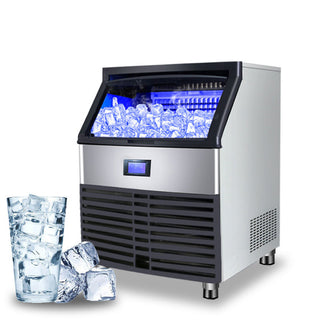
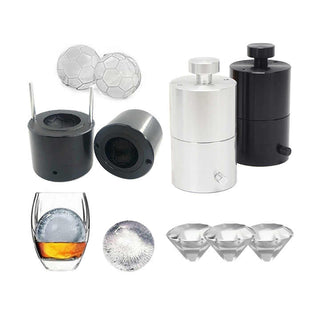
Eighty to a hundred and twenty kilos a day for the bar and the service station. A steakhouse bar pours a lot of whisky and needs hard cube behind the spheres.
Black
A steak room sells big reds by the glass, and those are exactly the bottles too expensive to write off at the end of a night.
Black - Shaker
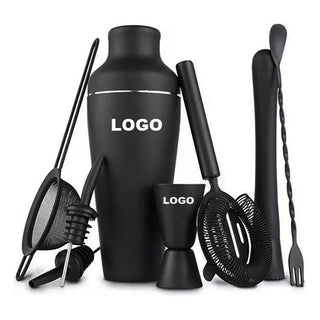
Full kits plus spares for the aperitif and digestif side of the list.
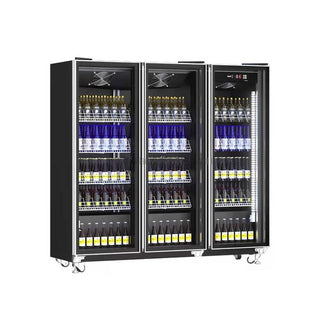
Bottles and cans behind the bar are the one part of a steakhouse's drinks list a guest can choose from by looking rather than by asking.
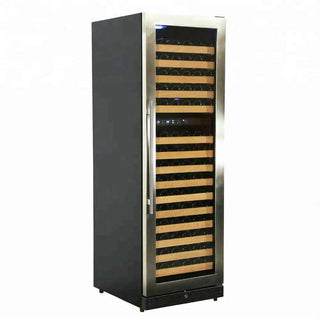
166 bottles across two zones — reds at cellar temperature, whites at service temperature, in the dining room rather than a back store.
Black • Wine
A cedar-lined humidor and wine cabinet in one — cigars and wine are the same after-dinner sale.
A large sphere dilutes slowly, which is the entire argument for pouring a good spirit over ice at all.
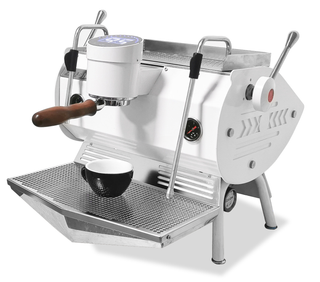
2-Group
Espresso at the end of a long meal. A steakhouse's dessert course is short and its coffee course is not.
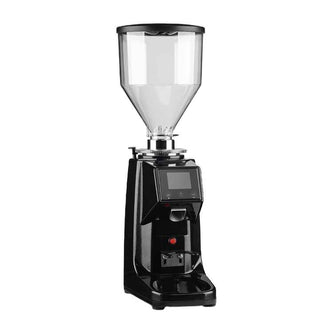
Beans ground at lunchtime are flat by the time the last table orders, and a two-hour table finishes on coffee.
201 Stainless Steel
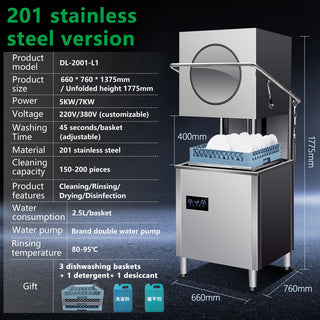
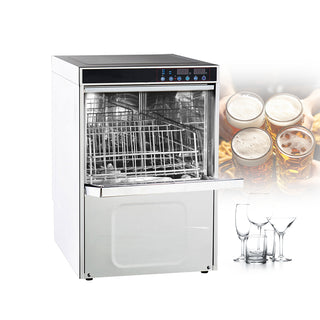
Grease load is what separates a steakhouse dish pit from a cafe one, and a rack a minute is what clears it.
CP-CB36-HD
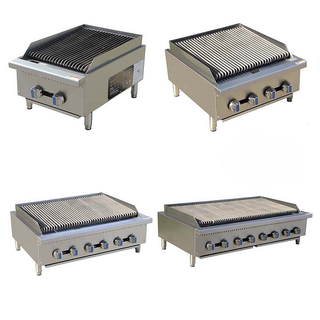
Grate mass is what carries a steakhouse through a rush. Light grates drop temperature after the third cover and never recover.
Air cooling
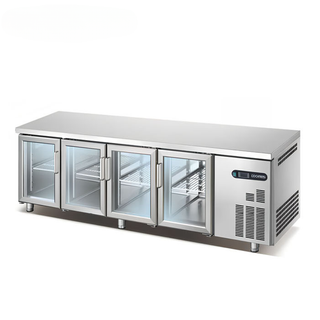
Portioning and mise en place stay in reach of the grill, because a cook who walks to a fridge loses the steak resting behind him.
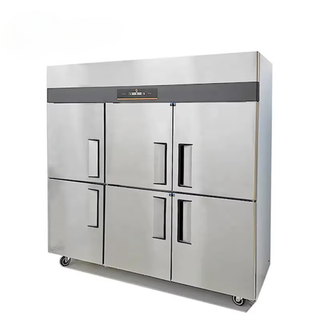
Portioned meat and the day's prep hold at a stable temperature the grill section can actually reach, which a store-room fridge never is.
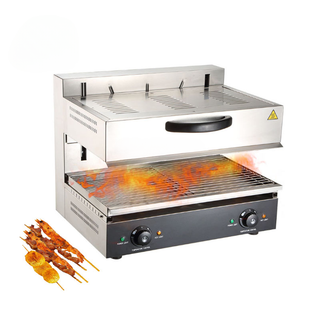
Overhead gas salamander for the crust and the finish. This is where a rested steak becomes a served one.
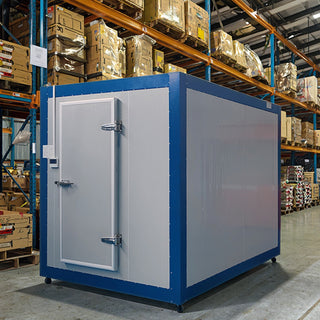
Stock, trim and the frozen half of the menu. A steakhouse breaks down primals and freezes the bones and trim it will turn into jus rather than throwing away meat it paid for.
Stainless Steel 304
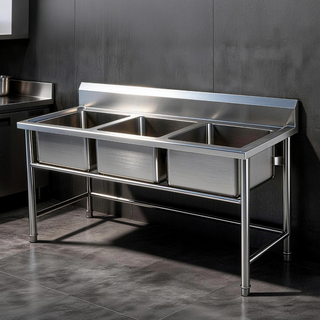
Pots, grates and everything that never goes in a machine wash here, and a char grill's grates come off nightly.
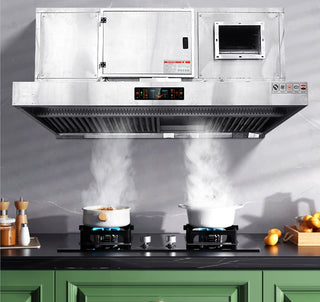
A char grill produces more grease-laden vapour than any other piece in a kitchen, which makes this the last place to under-specify.
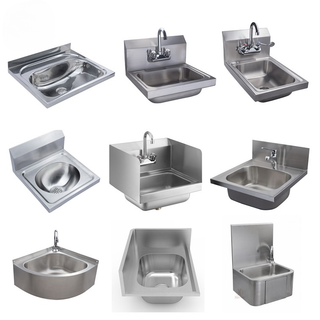
Hand sinks on the line, in butchery, at the bar and by the wash-up — non-negotiable where raw meat is handled.
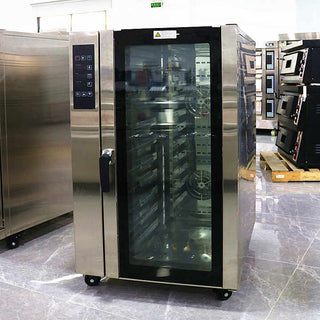
A steakhouse still has to cook everything that is not steak, and one combi covers the sides, the fish and the regeneration.
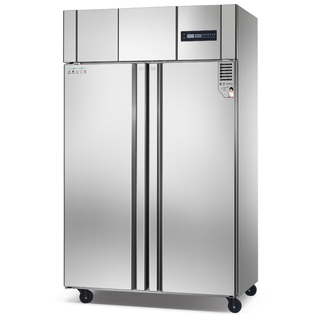
A steakhouse holds primal cuts rather than portions, and a primal does not fit in a fridge.
Style A
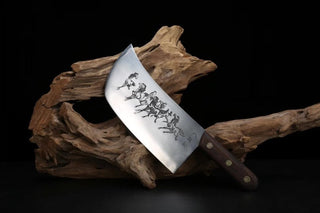
Guests notice this piece of cutlery and no other in this format, and a blunt one turns a good steak into work.
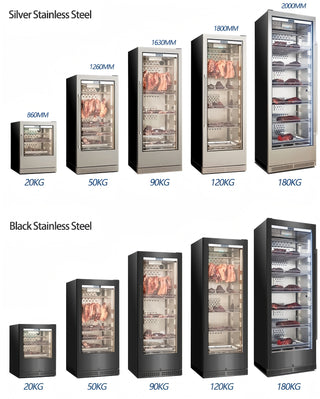
W595*D630*H1630mm (W23.43*D24.8*H64.17 inch)
Glass-door ageing on the dining-room side of the pass: the cuts the menu talks about hang where guests can see them, at the humidity and airflow ageing needs. A steakhouse without a cabinet is selling someone else's ageing.
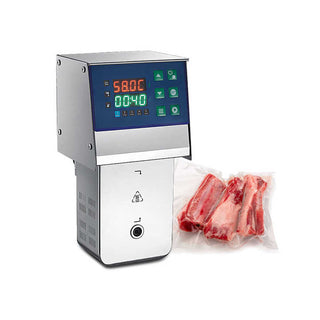
2000 W circulation for short rib, cheek and the cuts that need eight hours. Sous-vide is what makes a steak menu wider than the grill alone allows.
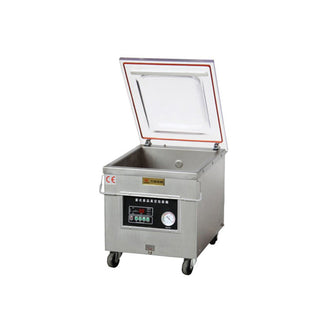
Sous-vide bags, portioned cuts and ageing storage all come off the same machine, which is three jobs for one footprint.
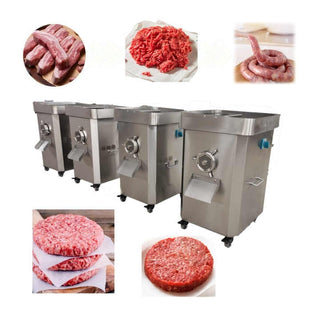
500 kg/h at 2500 W, turning the trim into house mince. Ground in house it costs nothing; bought in it costs what the burger sells for.
3 trays
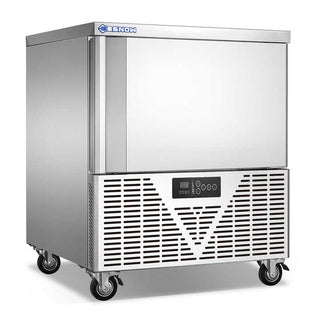
Three, five or ten trays of blast freezing for trim, stock and batch prep. Fast freezing keeps texture in a product you paid a lot for.
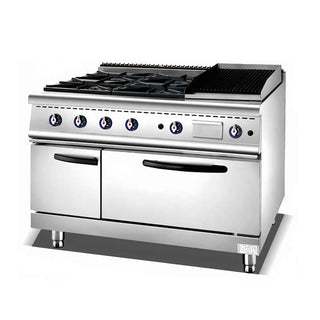
Burners for sauces and sides, a lava-rock section for the second grill order, and an oven underneath for the slow half of the menu.
A room that sells wine by the bottle is judged on the glass it arrives in, and thirty baskets an hour keeps them clear.
Butchery and vegetable prep produce heavy wet waste before service even starts. A 2 HP continuous-feed unit takes it at the sink rather than parking it in the walkway.
A steakhouse portions its own cuts, and a blunt blade tears a fibre that the rested steak then leaks through.
Boning knife
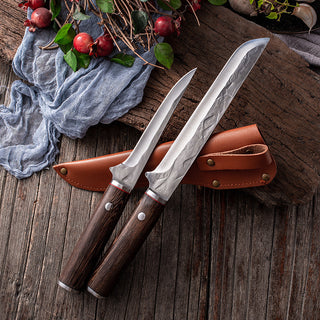
A boning knife for breaking down the primals in house. A steakhouse buys whole cuts because it wants the trim for mince and stock, and this is the blade that separates the two.
A smoker for short rib, brisket and the slow cuts that sit alongside the grill menu.
1000L
A tilting jacketed kettle for jus and stock made from the trim.
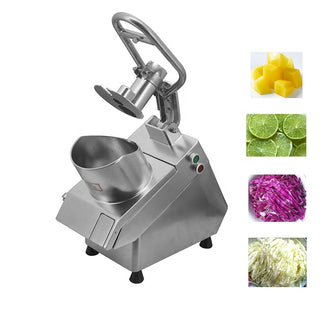
Vegetable prep by machine, so the sides do not eat the prep shift.
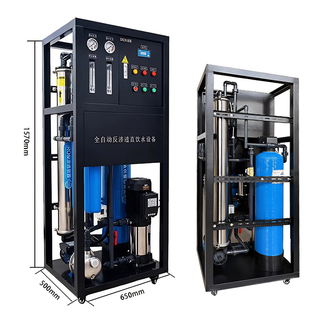
A steakhouse washes greasy plates, and hard water leaves the film that shows worst on a dark one.
A second, closed chamber so a long age and a short one never share air. UV and humidity run independently of the display cabinet out front, so the front one stays a display.
300 mm blade for frozen slicing — carpaccio, shabu cuts and anything that needs to come off a block cleanly.
850 W deli slicer for charcuterie and the cold starter section.
On a full service the gas unit is occupied by whatever is resting under it, and the next steak waits unless there is a second.
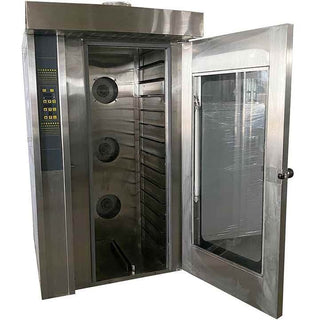
A second oven for sides and bread when the combi is full.
YPC-2D-B-3 • 30W
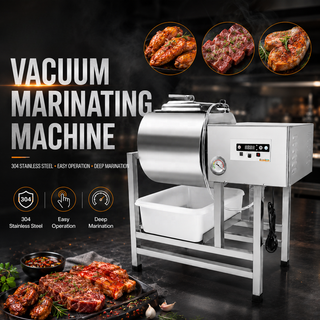
A vacuum tumbler for dry rubs and brines, applied in minutes rather than overnight.
A steakhouse trades entirely after dark, which makes the sign the frontage at the only hour anybody sees it.
A steakhouse dims its dining room on purpose, and neon is then the only thing in it a camera can hold onto.
Double Sided / Rechargeable
A steakhouse changes one line on its menu, and the cut of the day is the line worth putting outside.
1-Color / Standard Optics 15°
A weatherproof logo projector for the entrance and the pavement. A steakhouse is a booking rather than a walk-in, and the mark on the ground is what confirms the address in the dark.
1-Color
A projector ships blank, so the artwork is what puts the name on the pavement under the awning.
A steakhouse is a destination booking, so the sign is mostly confirming to people who already decided. It charges itself and stands at the kerb.
On a steakhouse the knife is part of the serve and the plate is part of the price. We stock forged steak knives, chef knives and the plate range, and price them with the rest of the order — the choice follows your room, not the equipment list.
Catalog prices at the quantities listed, excluding shipping, duties and installation. Send a request and we confirm current pricing and lead times for your build.
Request received
We are pricing the setup now and will come back with a quote and lead times, usually within one business day.
That did not go through
Something broke on the way to us. Try again, or write to sales@barequip.pro and we will pick it up from there.